The Growing Demand for Virtual Sales Closers in the Digital Economy
The modern sales landscape has changed dramatically as businesses shift toward online-first and remote-friendly models. Virtual sales closers have emerged as a critical role in this environment because companies no longer need to rely on in-house teams to close deals effectively. As more customers become comfortable buying high-ticket products and services through video calls and phone conversations, the demand for skilled remote closers continues to rise. Businesses that sell online courses, consulting packages, SaaS subscriptions, and premium services now depend on professionals who can guide prospects through confident buying decisions without ever meeting in person. This shift is driven by scalability, speed, and the need to compete in a global marketplace. Virtual sales closers allow companies to focus on growth without being limited by geography or office infrastructure. As digital commerce expands across the USA, UK, Canada, Australia, UAE, Singapore, and other regions, remote closing has become a standard rather than an exception.
What Virtual Sales Closers Do and How They Fit Into the Sales Process
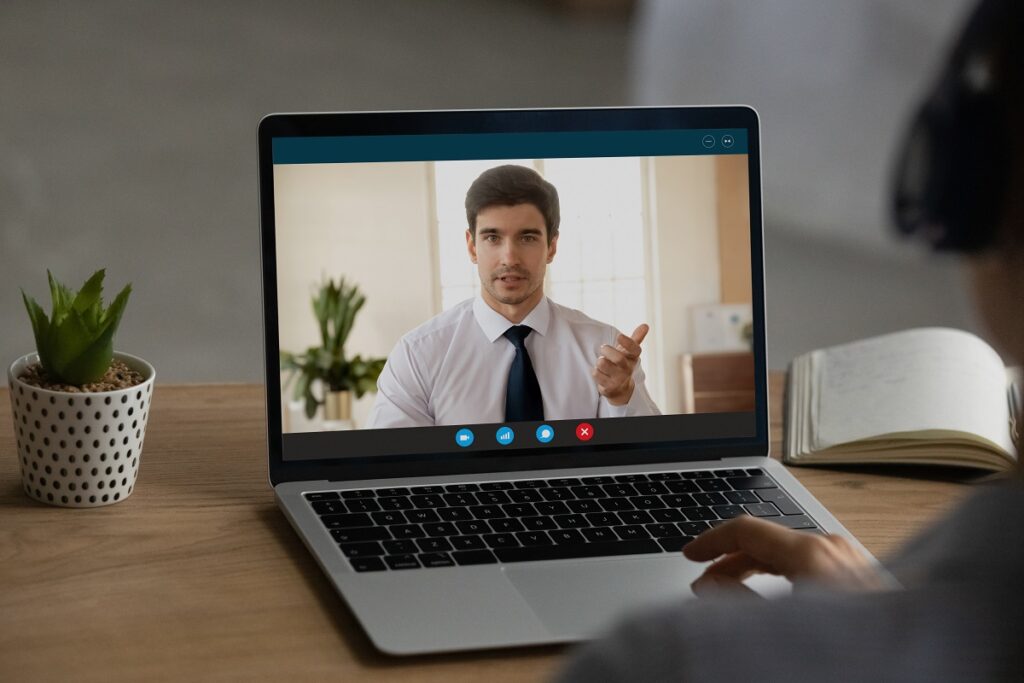
Virtual sales closers specialize in the final and most critical stage of the sales pipeline, where qualified prospects decide whether to move forward with an offer. Their role begins after leads have been generated and nurtured, often by marketing teams or appointment setters. These professionals conduct in-depth sales conversations via video calls or phone calls, focusing on understanding the prospect’s goals, challenges, and readiness to buy. They address objections, clarify value, and help prospects align the offer with their needs. Unlike general sales representatives, virtual sales closers concentrate solely on closing rather than juggling lead generation or admin tasks. This focused responsibility allows them to develop deep expertise in persuasion, trust-building, and decision facilitation. Their position within the sales process ensures that qualified leads receive personalized attention at the most important moment.
Why Businesses Are Turning to Virtual Sales Closers Worldwide
Companies across industries are embracing virtual sales closers because they offer flexibility and efficiency that traditional sales teams often cannot match. Hiring remote closers eliminates the costs associated with office space, equipment, and local hiring limitations. Businesses can also tap into a global talent pool, selecting professionals with proven closing experience regardless of location. This approach allows sales coverage across multiple time zones, which is especially valuable for international audiences. Virtual sales closers also help companies scale quickly during launches or high-demand periods without long-term staffing commitments. For organizations operating in competitive markets like the USA, UK, Canada, Australia, UAE, and Singapore, speed and adaptability are essential. The ability to deploy skilled closers remotely gives businesses a significant advantage in capturing revenue opportunities.
Industries That Benefit Most From Virtual Sales Closers
Several industries see exceptional results when working with virtual sales closers because their offers require trust-based conversations rather than impulse purchases. SaaS companies rely on remote closers to explain features, onboarding processes, and long-term value. Online coaches and consultants use virtual closers to guide prospects through transformational programs that require thoughtful commitment. Digital agencies benefit from having specialists who can confidently present custom solutions and pricing structures. E-commerce brands offering high-ticket products also use virtual sales closers to increase conversion rates and reduce cart abandonment. Financial services, real estate, and investment-related businesses depend on professional closers to navigate complex decision-making processes. Across these industries, the common factor is the need for clear communication and relationship-driven selling.
Key Skills That Define High-Performing Virtual Sales Closers
Successful virtual sales closers possess a combination of technical sales ability and emotional intelligence. Strong communication skills are essential because tone, pacing, and clarity matter even more in remote conversations. Active listening allows closers to identify underlying concerns and tailor responses effectively. Emotional intelligence helps them read subtle cues during video or phone calls and respond with empathy. High-performing closers are also skilled in consultative selling, asking strategic questions rather than pushing aggressive pitches. They maintain confidence while remaining adaptable to different personalities and cultural backgrounds. These skills ensure that prospects feel understood, respected, and empowered to make informed decisions.
Tools and Technology Virtual Sales Closers Use Daily
Technology plays a central role in enabling virtual sales closers to perform at a high level. Video conferencing platforms allow face-to-face interaction regardless of location. Customer relationship management systems help track conversations, follow-ups, and deal progress. Call recording and analytics tools provide insights into performance and areas for improvement. Scheduling software makes it easy to coordinate calls across different time zones. Secure document-sharing and e-signature tools streamline the closing process and reduce friction. Together, these tools create a seamless sales experience for both the closer and the prospect.
Virtual Sales Closers vs Traditional In-House Closers
There are clear differences between virtual sales closers and traditional in-house sales professionals. Remote closers offer flexibility and scalability that office-based teams often lack. In-house teams may require extensive onboarding, physical workspace, and long-term employment commitments. Virtual sales closers can be brought in quickly and adjusted based on demand. Performance is typically measured by results rather than hours worked, which encourages efficiency. Businesses also benefit from reduced overhead and faster market expansion. These advantages make virtual closers an attractive option for companies focused on growth and adaptability.
How Virtual Sales Closers Drive Higher Conversion Rates
Virtual sales closers are highly effective because they focus exclusively on closing rather than multitasking across the sales funnel. This specialization allows them to refine their messaging and objection-handling techniques. They use structured sales frameworks designed specifically for remote conversations. By building trust through clear communication and transparency, they help prospects feel confident in their decisions. Follow-up strategies are carefully planned to maintain momentum without pressure. Data from call analytics is often used to improve performance continuously. These factors combine to produce higher conversion rates and more consistent revenue.
Hiring Virtual Sales Closers: What Businesses Should Look For
When hiring virtual sales closers, businesses should prioritize experience and alignment with their offers. Proven success in remote or high-ticket sales environments is a strong indicator of capability. Industry familiarity helps closers understand common objections and expectations. Communication style and professionalism are critical, especially when working with international clients. Availability across relevant time zones ensures smooth scheduling and responsiveness. Cultural awareness also plays a role in building rapport with diverse audiences. Selecting the right closer can significantly impact overall sales performance.
Commission-Based vs Salary-Based Virtual Sales Closers
Compensation models for virtual sales closers vary based on business goals and sales volume. Commission-based closers are motivated by performance and often thrive in high-ticket environments. Salary-based models provide stability and may be suitable for consistent sales pipelines. Hybrid structures combine a base rate with performance incentives, balancing security and motivation. Each approach has advantages depending on the company’s risk tolerance and revenue structure. Clear expectations and transparent compensation terms are essential. Choosing the right model ensures alignment between the business and the closer.
Training and Onboarding Virtual Sales Closers for Long-Term Success
Effective onboarding is crucial for maximizing the impact of virtual sales closers. Training should include deep product knowledge and clear understanding of the target audience. Sales scripts and frameworks provide consistency while allowing room for personalization. Role-playing and call reviews help refine techniques and build confidence. Ongoing feedback ensures continuous improvement and alignment with brand standards. Performance metrics should be tracked to identify strengths and opportunities. A structured onboarding process sets the foundation for long-term success.
Challenges of Working With Virtual Sales Closers and How to Overcome Them
Remote sales environments come with unique challenges that require proactive management. Communication gaps can occur if expectations are not clearly defined. Accountability must be maintained through performance tracking and regular check-ins. Consistency across global markets requires standardized processes and messaging. Data security and compliance are important considerations when handling sensitive customer information. Building trust with remote professionals takes intentional effort and transparency. Addressing these challenges early helps create productive and reliable partnerships.
The Future of Virtual Sales Closers in a Remote-First World
The role of virtual sales closers is expected to grow as remote work becomes more widely accepted. Advances in technology will continue to enhance communication and analytics capabilities. Artificial intelligence may support closers with insights and automation, but human connection will remain essential. Global talent pools will expand, offering businesses more options than ever before. Buyer expectations will evolve, emphasizing convenience and personalization. Virtual sales closers are positioned to remain a core component of modern sales strategies. Their ability to adapt and connect will shape the future of revenue generation.
Key Advantages of Using Virtual Sales Closers in Global Markets
Businesses operating internationally gain significant benefits from working with virtual sales closers. These professionals can engage prospects across different regions without logistical barriers. Time zone flexibility ensures timely follow-ups and consistent communication. Cultural sensitivity enhances trust and rapport with diverse audiences. Cost efficiency allows companies to reinvest savings into marketing and product development. Scalability supports rapid growth during expansion phases. These advantages make virtual sales closers a strategic asset for global operations.
Here are some core benefits businesses often experience when working with virtual sales closers:
- Reduced overhead costs compared to in-house teams
- Access to experienced global sales talent
- Faster scaling during high-demand periods
- Improved conversion rates through specialization
- Consistent sales coverage across multiple time zones
Frequently Asked Questions About Virtual Sales Closers
What are virtual sales closers?
Virtual sales closers are remote sales professionals who focus on closing qualified leads through phone or video conversations. They specialize in guiding prospects toward confident purchasing decisions. Their role typically begins after leads have been vetted. They work with businesses across various industries. Their primary responsibility is converting interest into revenue. This specialization makes them highly effective. They operate entirely online.
How do virtual sales closers close deals without meeting clients in person?
Virtual sales closers rely on strong communication and trust-building techniques. Video calls allow for face-to-face interaction even at a distance. Structured sales frameworks help guide conversations. Active listening ensures prospects feel understood. Clear explanations address concerns and objections. Digital tools streamline contracts and payments. These methods create a smooth buying experience.
Are virtual sales closers suitable for high-ticket offers?
Virtual sales closers are particularly effective for high-ticket offers that require consultation. They provide personalized attention and detailed explanations. This approach builds confidence in the investment. High-ticket sales benefit from relationship-driven conversations. Remote closers are trained to handle complex objections. Their focus improves conversion rates. Many premium services rely on them.
Can virtual sales closers work across different countries and time zones?
Virtual sales closers are well-suited for international operations. They often work flexible schedules to accommodate global clients. Time zone coverage ensures responsiveness. Cultural awareness enhances communication. Technology supports seamless collaboration. Businesses can reach wider audiences. This global capability is a key advantage.
How long does it take to onboard a virtual sales closer?
Onboarding timelines vary based on offer complexity. Basic onboarding may take a few days. More detailed training can take several weeks. Clear documentation speeds up the process. Ongoing coaching improves performance over time. A structured approach ensures consistency. Effective onboarding leads to faster results.
Takeaway
Virtual sales closers have become an essential part of modern sales strategies for businesses seeking scalability, efficiency, and global reach. Their ability to focus exclusively on closing allows companies to maximize the value of qualified leads. By leveraging remote talent, businesses can expand into markets like the USA, UK, Canada, Australia, UAE, and Singapore without traditional limitations. With the right tools, training, and alignment, virtual sales closers drive higher conversion rates and sustainable growth.