Working at heights is part of everyday operations in construction, telecommunications, manufacturing, energy, utilities, and facility maintenance. While elevated work allows important projects to move forward, it also exposes workers to one of the most significant hazards on any job site: falls. A dependable fall protection system is essential for reducing risks and helping workers perform their responsibilities safely. One of the most trusted components of these systems is the Vertical Lifeline, which provides continuous protection during climbing and vertical movement. Whether a worker is ascending a fixed ladder, accessing a communication tower, or performing maintenance inside an industrial facility, a Vertical Lifeline serves as a critical safeguard against accidental falls. Understanding how this equipment functions, where it is most effective, and how to maintain it properly helps employers create safer workplaces while supporting regulatory compliance. With proper planning and training, a Vertical Lifeline becomes an invaluable investment in both worker safety and operational efficiency.
What Is a Vertical Lifeline?
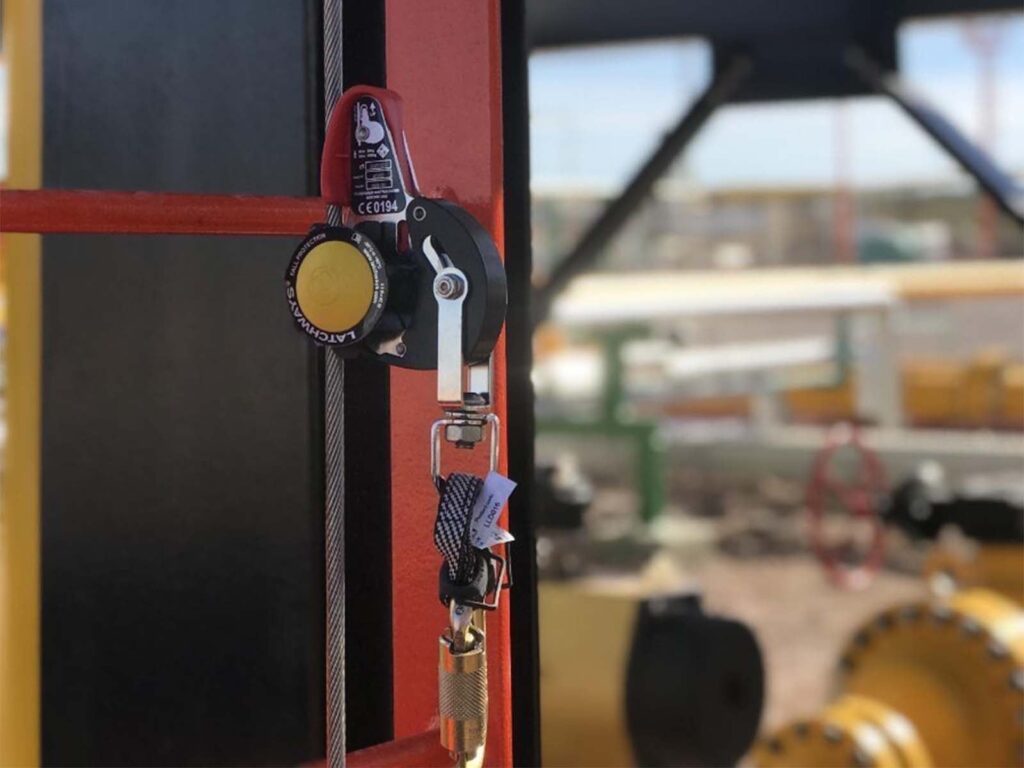
A Vertical Lifeline is a fall protection system designed to protect workers while moving up or down vertical structures. It typically consists of a durable rope or steel cable connected to a certified anchorage point at the top of the work area. Attached to the lifeline is a rope grab or guided fall arrester that moves freely with the worker during normal climbing activities. If a slip or fall occurs, the device locks onto the lifeline almost instantly, preventing the worker from falling a significant distance. The system works together with a full body harness and compatible connectors to distribute fall forces safely across the body. Vertical Lifeline systems are commonly installed on ladders, towers, silos, tanks, wind turbines, and other elevated structures that require repeated vertical access. Their dependable performance has made them an essential part of workplace safety programs around the world.
Why a Vertical Lifeline Matters for Worker Protection
Every year, falls from height account for numerous workplace injuries that could have been prevented with proper safety equipment. A Vertical Lifeline significantly reduces these risks by providing constant fall arrest protection throughout climbing operations. Instead of relying solely on careful footing or manual safety practices, workers remain connected to a secure system that reacts automatically during an emergency. This added level of protection helps minimize severe injuries while improving worker confidence during demanding tasks. Employers also benefit because fewer incidents often lead to reduced downtime, lower insurance costs, and improved project continuity. Beyond protecting individual employees, implementing a reliable Vertical Lifeline demonstrates a company’s commitment to maintaining a safe and responsible workplace. Creating a strong culture of safety starts with providing equipment that workers can trust every day.
Understanding the Main Parts of a Vertical Lifeline System
A Vertical Lifeline is made up of several carefully engineered components that function together to provide dependable fall protection. The lifeline itself is commonly manufactured from high-strength synthetic rope or corrosion-resistant steel cable capable of handling substantial loads. At the top of the system is the anchorage point, which serves as the secure foundation supporting the entire setup. Connected to the lifeline is a rope grab or guided fall arrester that follows the worker during normal movement but locks immediately if rapid downward motion is detected. A full body harness connects the worker to the fall arrester while distributing arrest forces safely across the shoulders, thighs, chest, and pelvis. Durable connectors such as carabiners and snap hooks ensure every component remains securely attached throughout the task. When each part is inspected regularly and used correctly, the complete Vertical Lifeline system delivers consistent and reliable protection.
How a Vertical Lifeline Protects Workers During a Fall
The operation of a Vertical Lifeline is both simple and highly effective. Before beginning work, the worker connects the fall arrester to the Vertical Lifeline and secures it to the designated attachment point on the harness. As the worker climbs, the device glides smoothly along the rope or cable without requiring constant adjustments. This allows unrestricted movement while maintaining continuous protection from the moment climbing begins until the worker safely returns to ground level. If an unexpected slip occurs, the fall arrester immediately grips the lifeline and stops the fall within a controlled distance. Energy-absorbing components further reduce the force experienced by the worker during the arrest process. This rapid response can mean the difference between a minor incident and a life-threatening accident, making the Vertical Lifeline one of the most dependable safety systems available for elevated work.
Types of Vertical Lifeline Systems Available
Different workplaces require different types of Vertical Lifeline systems depending on the nature of the work and the environment. Temporary systems are ideal for construction projects where access points frequently change and portability is important. These systems can be installed quickly and removed once work is complete. Permanent Vertical Lifeline systems are commonly installed on structures requiring routine maintenance, including communication towers, industrial plants, water tanks, and fixed ladders. Rope-based lifelines are lightweight, flexible, and easy to transport, making them suitable for many field applications. Cable-based systems provide outstanding durability and are often selected for harsh environments where long-term performance is essential. Some manufacturers also offer specialized guided systems designed specifically for ladder climbing, providing smooth movement while maintaining continuous fall protection throughout the climb.
Where Vertical Lifeline Systems Are Commonly Used
The versatility of a Vertical Lifeline makes it valuable across a wide range of industries. Construction companies rely on these systems while erecting buildings, installing structural components, and completing roofing projects. Telecommunications technicians use Vertical Lifelines when climbing cell towers to install or repair communication equipment. Utility workers depend on them while maintaining electrical transmission structures and power distribution equipment. Wind energy facilities utilize Vertical Lifeline systems inside turbine towers where technicians regularly climb significant heights for inspections and maintenance. Manufacturing plants, warehouses, refineries, and processing facilities also install permanent systems on ladders that access elevated machinery. Bridge inspectors, water treatment personnel, and emergency rescue teams frequently incorporate Vertical Lifelines into their safety procedures as well. Their broad range of applications demonstrates how important they have become in modern workplace safety.
Advantages of Installing a Vertical Lifeline
A properly installed Vertical Lifeline provides numerous benefits beyond basic fall protection. Continuous attachment throughout the climb reduces exposure to fall hazards by eliminating unnecessary disconnections. Workers enjoy greater freedom of movement because modern fall arrest devices travel smoothly with minimal resistance. Reliable equipment also improves worker confidence, allowing employees to concentrate on completing their tasks efficiently. Employers often experience fewer workplace incidents, which supports productivity and minimizes costly project interruptions. High-quality Vertical Lifeline systems are designed to deliver long service life when inspected and maintained correctly. They also integrate seamlessly with other personal protective equipment, creating a complete fall protection solution for elevated work environments. These combined advantages make the Vertical Lifeline an essential investment for organizations committed to workplace safety.
Choosing the Best Vertical Lifeline for Your Workplace
Selecting the right Vertical Lifeline begins with understanding the specific conditions of the job site. Employers should evaluate climbing heights, structural configurations, weather exposure, and the number of workers who will use the equipment. Compatibility with existing harnesses, connectors, and other fall protection equipment is equally important because incompatible components can reduce system performance. Material selection also matters, as synthetic ropes and steel cables each offer unique advantages depending on environmental conditions. Organizations should consider future maintenance requirements, replacement schedules, and manufacturer support when comparing different systems. Equipment should always comply with recognized safety standards and be installed according to manufacturer recommendations. Working with experienced safety professionals helps ensure the selected Vertical Lifeline provides dependable protection for every intended application.
Proper Inspection and Maintenance Practices
Regular inspection plays a vital role in preserving the effectiveness of every Vertical Lifeline. Workers should inspect ropes, cables, connectors, harnesses, and fall arrest devices before each use, looking for cuts, corrosion, fraying, deformation, contamination, or excessive wear. Any damaged component should be removed from service immediately until evaluated by a qualified individual. Cleaning should only be performed using approved methods that will not weaken the equipment or compromise its protective capabilities. Proper storage away from moisture, direct sunlight, chemicals, and extreme temperatures helps extend the service life of the system. Scheduled inspections performed by competent personnel provide another layer of protection by identifying issues that may not be obvious during routine checks. Consistent maintenance helps ensure that the Vertical Lifeline remains ready to perform whenever it is needed.
Common Errors That Can Reduce Vertical Lifeline Performance
Even advanced safety equipment can become less effective if used incorrectly. One common mistake is attaching the Vertical Lifeline to an anchor point that does not meet required strength specifications. Another frequent issue involves using connectors or harnesses that are not compatible with the manufacturer’s recommended system. Workers may also overlook routine inspections, allowing damaged components to remain in service longer than they should. Incorrect harness adjustment can reduce comfort while increasing the risk of injury if a fall occurs. Some workers fail to verify adequate fall clearance before beginning the climb, creating additional hazards during fall arrest. Skipping training or ignoring equipment instructions can also compromise overall system performance. Eliminating these mistakes through education and regular supervision strengthens workplace safety and helps maximize the protective value of every Vertical Lifeline.
Safe Work Practices When Using a Vertical Lifeline
Effective use of a Vertical Lifeline depends on more than simply wearing the equipment. Workers should begin every task with a thorough hazard assessment to identify potential risks associated with the work area. Anchor points should be carefully inspected before each use to verify structural integrity and proper installation. All personal protective equipment should fit correctly and undergo a detailed visual inspection before climbing begins. Workers should maintain steady climbing techniques while avoiding sudden movements that may increase unnecessary risks. Employers should establish clear rescue procedures so that prompt assistance is available if a fall occurs. Ongoing training sessions help reinforce safe work habits while keeping employees informed about updated safety practices and equipment improvements. Consistent attention to these procedures allows the Vertical Lifeline to deliver the highest level of protection throughout every project.
Industry Compliance and Safety Responsibilities
Regulatory compliance is an important part of every workplace fall protection program. Employers have a responsibility to provide appropriate equipment, maintain it in safe working condition, and ensure workers receive proper training before performing elevated tasks. A Vertical Lifeline should meet recognized industry standards and be installed according to applicable regulations and manufacturer specifications. Workers also have important responsibilities, including inspecting equipment before use, reporting defects immediately, and following all established safety procedures. Maintaining accurate records of inspections, maintenance activities, and employee training supports compliance while demonstrating an organization’s commitment to workplace safety. Continuous improvement through regular evaluations helps identify opportunities to strengthen existing fall protection programs. Prioritizing compliance ultimately creates safer working environments for everyone involved.
Emerging Developments in Vertical Lifeline Technology
The future of the Vertical Lifeline continues to evolve as manufacturers introduce innovative materials and smarter safety features. Lightweight synthetic fibers with exceptional strength are making equipment easier to transport without sacrificing durability. Improved guided fall arrest devices offer smoother climbing while maintaining fast locking performance during emergency situations. Digital asset management systems now allow companies to monitor inspection schedules, maintenance records, and equipment inventory more efficiently. Some organizations are beginning to integrate wearable technologies that assist with worker monitoring during high-risk activities. Enhanced harness designs continue to improve comfort, encouraging consistent use throughout long work shifts. As technology advances, Vertical Lifeline systems will continue to become more efficient, reliable, and user-friendly for workers across numerous industries.
Frequently Asked Questions
What is the primary purpose of a Vertical Lifeline?
A Vertical Lifeline protects workers from serious injuries by arresting falls while they climb or descend vertical structures such as ladders, towers, and industrial equipment.
Can a Vertical Lifeline be used every day?
Yes. When inspected properly and maintained according to manufacturer recommendations, a Vertical Lifeline is designed for regular use in demanding work environments.
What industries commonly use Vertical Lifeline systems?
Construction, telecommunications, utilities, energy, manufacturing, mining, transportation, and industrial maintenance all commonly use Vertical Lifeline systems.
How often should the equipment be inspected?
Workers should inspect the equipment before every use, while qualified personnel should perform scheduled detailed inspections based on workplace policies and manufacturer recommendations.
Is training necessary before using a Vertical Lifeline?
Absolutely. Proper training helps workers understand equipment operation, hazard recognition, inspection procedures, emergency response, and safe climbing techniques.
What should I do if I notice damage on the lifeline?
The equipment should be removed from service immediately and inspected by a qualified individual before being used again.
Can one Vertical Lifeline support multiple workers?
Only if the system has been specifically designed, tested, and approved by the manufacturer for multiple users.
Why is compatibility important in a fall protection system?
Using compatible components ensures the entire Vertical Lifeline system functions as designed, providing dependable protection during a fall event.
Takeaway
A Vertical Lifeline is far more than a piece of safety equipment—it is a vital component of a comprehensive fall protection strategy. From construction sites and utility towers to manufacturing plants and wind turbines, this system provides continuous protection that helps reduce fall-related injuries while improving worker confidence. Choosing certified equipment, performing routine inspections, providing thorough training, and following established safety procedures all contribute to a more effective fall protection program. Organizations that prioritize the proper use of a Vertical Lifeline not only protect their employees but also strengthen productivity, regulatory compliance, and long-term operational success. Investing in dependable fall protection today creates a safer workplace for every project and every climb.