Working at height presents unique safety challenges, making dependable fall protection equipment an essential part of many job sites. A Self Retracting Lanyard is one of the most effective solutions for protecting workers who perform tasks above ground level. Unlike conventional lanyards, this device automatically adjusts its length as the user moves, helping reduce slack and improve mobility. It also reacts instantly during a fall by locking the lifeline, reducing the distance a worker can fall before being stopped. This quick response helps lower the risk of severe injuries while supporting a safer work environment. From construction projects to industrial maintenance, a Self Retracting Lanyard has become a trusted component of modern personal fall arrest systems. Understanding how it works and how to use it properly allows employers and workers to make better decisions that prioritize safety and regulatory compliance.
Understanding a Self Retracting Lanyard
A Self Retracting Lanyard is a specialized fall protection device designed to extend and retract automatically while a worker moves. It functions much like a vehicle seatbelt by allowing smooth movement during normal activity while locking immediately if rapid movement caused by a fall occurs. The equipment is commonly connected between a full-body safety harness and an approved anchor point. By maintaining minimal slack in the lifeline, the device significantly reduces free-fall distance compared to standard fixed-length lanyards. This feature helps decrease the impact forces placed on the body during a fall arrest. Self Retracting Lanyards are available in different lengths, capacities, and materials to accommodate various job site conditions. Because of their efficiency and reliability, they are widely used wherever employees perform work at elevated locations.
How a Self Retracting Lanyard Protects Workers
The safety performance of a Self Retracting Lanyard depends on its intelligent internal mechanism. During normal movement, the internal spring allows the lifeline to extend and retract smoothly without creating unnecessary slack. This continuous adjustment enables workers to move freely while staying connected to the fall protection system. If a sudden fall occurs, the rapid acceleration activates an internal braking mechanism that immediately locks the lifeline. Some models also include built-in energy absorbers that help reduce the arresting force transmitted to the worker. Because the fall is stopped much sooner, there is less chance of striking lower levels or nearby obstacles. This combination of mobility and rapid fall arrest makes a Self Retracting Lanyard one of the safest options for working at height.
Essential Parts of a Self Retracting Lanyard
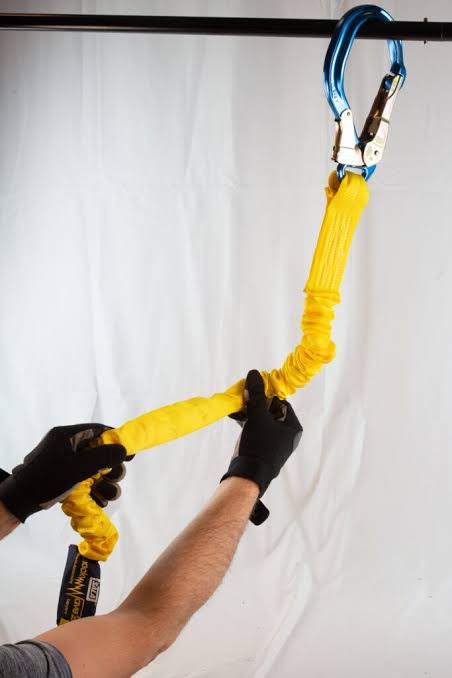
Every Self Retracting Lanyard contains several components that work together to provide dependable fall protection. The housing protects the internal mechanisms from environmental damage and everyday wear. Inside the housing is the retractable lifeline, which may be made of webbing, galvanized steel cable, or synthetic rope depending on the application. The braking system is responsible for locking the line when a fall is detected. Connectors such as snap hooks and carabiners securely attach the device to the harness and anchor point. Many units also include swivel tops that reduce twisting during movement, improving user comfort. Inspection labels and fall indicators provide valuable information about the condition of the equipment and whether it should remain in service.
Advantages of Using a Self Retracting Lanyard
Using a Self Retracting Lanyard offers multiple advantages for both workers and employers. One of the greatest benefits is the reduction of free-fall distance, which helps minimize injuries if a fall occurs. Workers enjoy greater mobility because the lifeline moves with them instead of hanging loosely. Less slack also means fewer tripping hazards while navigating busy work areas. The improved freedom of movement can increase productivity by allowing workers to complete tasks more efficiently. Employers benefit from enhanced compliance with workplace safety regulations and improved confidence in their fall protection programs. With proper inspection and maintenance, a quality Self Retracting Lanyard can provide dependable performance for many years.
Different Types of Self Retracting Lanyards
Not every Self Retracting Lanyard is designed for the same work environment. Webbing models are lightweight and often preferred for indoor work where abrasion and harsh conditions are limited. Steel cable versions provide excellent durability and perform well in demanding industrial settings. Leading-edge models are specially engineered for applications involving steel beams or other sharp surfaces that could damage standard lifelines. Compact personal units are lightweight enough for workers who frequently climb ladders or move between work areas. Twin-leg Self Retracting Lanyards allow continuous tie-off by enabling workers to stay connected while transitioning between anchor points. Choosing the right type depends on the work environment, potential hazards, and the specific requirements of the task.
Selecting the Best Self Retracting Lanyard
Choosing the correct Self Retracting Lanyard requires careful planning rather than selecting equipment based solely on price. Employers should evaluate the work environment, available fall clearance, and potential hazards before making a decision. Weight capacity must include not only the worker but also clothing, tools, and any carried equipment. Environmental conditions such as chemicals, moisture, extreme temperatures, and sharp edges should influence the selection process. Compatibility with the safety harness, connectors, and anchor points is equally important for ensuring the entire fall arrest system functions properly. Manufacturer specifications provide valuable guidance regarding intended use and operating limitations. Taking these factors into account helps ensure workers receive the highest level of protection possible.
Industries That Depend on Self Retracting Lanyards
A Self Retracting Lanyard is widely used across numerous industries because working at height is common in many occupations. Construction companies rely on these devices during structural work, roofing, and scaffold operations. Manufacturing facilities use them when employees service elevated machinery or overhead equipment. Utility workers depend on Self Retracting Lanyards while maintaining power lines and electrical infrastructure. Telecommunications technicians use them while climbing communication towers and antenna systems. Wind energy facilities require dependable fall protection during turbine installation and maintenance. Warehousing, transportation, facility management, and oil and gas operations also benefit from the added protection these devices provide for employees performing elevated tasks.
Daily Inspection Guidelines
Routine inspection is essential for maintaining the reliability of every Self Retracting Lanyard. Before each use, workers should inspect the housing for cracks, corrosion, dents, or other visible damage. The lifeline should be checked for cuts, broken wires, excessive wear, chemical damage, or frayed webbing. Hooks and connectors should open, close, and lock smoothly without sticking. Workers should perform the recommended function test to verify that the braking mechanism engages correctly. Inspection labels should remain readable so maintenance history can be confirmed. If any defect or unusual operation is observed, the equipment should be removed from service immediately until it has been inspected by qualified personnel or replaced.
Safe Practices When Using a Self Retracting Lanyard
Correct use of a Self Retracting Lanyard is critical for maximizing worker protection. The equipment should always be attached to an approved anchor point capable of supporting the required load. Workers should position the anchor overhead whenever possible to reduce swing fall hazards. Adequate fall clearance must always be verified before work begins. Sharp edges should be avoided unless the equipment is specifically rated for leading-edge applications. Users should never modify the equipment or connect incompatible components from different systems without manufacturer approval. Regular training helps workers understand equipment limitations, emergency response procedures, and proper inspection techniques, strengthening the overall safety culture within the workplace.
Caring for a Self Retracting Lanyard
Proper care helps maintain the long-term performance of a Self Retracting Lanyard. Cleaning should always follow the manufacturer’s recommendations to prevent damage to the lifeline or internal components. Harsh solvents and abrasive cleaners should be avoided because they may weaken materials over time. Equipment should be stored in a clean, dry location away from excessive heat, direct sunlight, moisture, and corrosive substances. Scheduled inspections by qualified personnel help identify hidden wear that may not be visible during daily checks. Maintenance records should be updated after inspections and servicing to support workplace safety programs. Consistent care extends the useful life of the equipment while helping ensure dependable performance whenever it is needed.
Common Errors That Can Reduce Safety
Even high-quality equipment cannot provide full protection if it is used incorrectly. One common mistake is connecting a Self Retracting Lanyard to an unsuitable anchor point that cannot support the required load. Failing to inspect the equipment before use may allow damaged components to go unnoticed. Exceeding the manufacturer’s weight limits can affect how the braking mechanism performs during a fall. Allowing the lifeline to pass over sharp edges without appropriate protection can also increase the risk of damage. Improper storage may expose the equipment to moisture, chemicals, or extreme temperatures that shorten its service life. Consistent training and proper supervision help workers avoid these mistakes and maintain a safer work environment.
Safety Standards and Regulatory Compliance
A Self Retracting Lanyard should always meet recognized safety standards to provide dependable protection. OSHA regulations establish workplace requirements for fall protection in many industries where employees work at height. ANSI standards define performance requirements and testing methods for Self Retracting Lanyards and other fall protection equipment. Employers are responsible for providing appropriate equipment, conducting hazard assessments, and ensuring employees receive proper training. Workers also have a responsibility to inspect equipment before use and report any signs of damage immediately. Purchasing certified equipment from reputable manufacturers supports compliance while helping organizations build stronger workplace safety programs. Staying informed about current regulations allows companies to continuously improve their fall protection practices.
Frequently Asked Questions
What is a Self Retracting Lanyard used for?
A Self Retracting Lanyard is used to protect workers from falls by automatically locking during a fall and reducing free-fall distance.
Can a Self Retracting Lanyard replace a standard lanyard?
In many applications, it can provide enhanced protection and greater mobility, although the appropriate choice depends on the job requirements and risk assessment.
How often should a Self Retracting Lanyard be inspected?
Workers should inspect it before every use, and qualified personnel should perform detailed inspections at intervals recommended by the manufacturer.
Is a Self Retracting Lanyard suitable for outdoor use?
Yes. Many models are designed for outdoor environments, but users should verify that the equipment is appropriate for weather conditions and workplace hazards.
What should be done after a fall has been arrested?
The Self Retracting Lanyard should be removed from service immediately and inspected according to the manufacturer’s instructions before it is used again.
How long does a Self Retracting Lanyard last?
Its lifespan depends on usage, maintenance, storage conditions, inspection results, and the manufacturer’s recommendations.
Why is proper training important?
Training helps workers understand correct inspection procedures, proper attachment methods, equipment limitations, and emergency response practices, improving overall workplace safety.
Takeaway
A Self Retracting Lanyard is a valuable investment for organizations that prioritize worker safety during elevated tasks. Its ability to reduce free-fall distance, improve mobility, and provide rapid fall arrest makes it an important part of an effective personal fall protection system. Selecting the appropriate model, inspecting it before every use, maintaining it correctly, and following recognized safety standards all contribute to dependable performance. Employers who combine high-quality equipment with ongoing training create safer workplaces while supporting regulatory compliance. Whether used in construction, manufacturing, utilities, telecommunications, or facility maintenance, a Self Retracting Lanyard helps workers perform their jobs with greater confidence and protection.