Working at elevated locations comes with serious risks, making reliable fall protection one of the most important investments any business can make. An Overhead Lifeline is designed to keep workers connected to a secure anchorage while allowing them to move freely across their work area. Unlike fixed anchor points that may require workers to disconnect and reconnect repeatedly, an overhead lifeline provides continuous protection throughout the job. This combination of mobility and safety makes it a preferred solution for industries where employees regularly perform tasks above ground level.
Businesses that install an overhead lifeline are not only protecting their workforce but also improving operational efficiency. Workers can complete maintenance, inspections, repairs, and production tasks with greater confidence while reducing unnecessary interruptions. Whether the system is installed in a manufacturing plant, warehouse, construction project, or transportation facility, choosing the right equipment and following proper safety practices can significantly reduce fall-related incidents. Understanding how these systems function is the first step toward creating a safer and more productive workplace.
What Is an Overhead Lifeline?
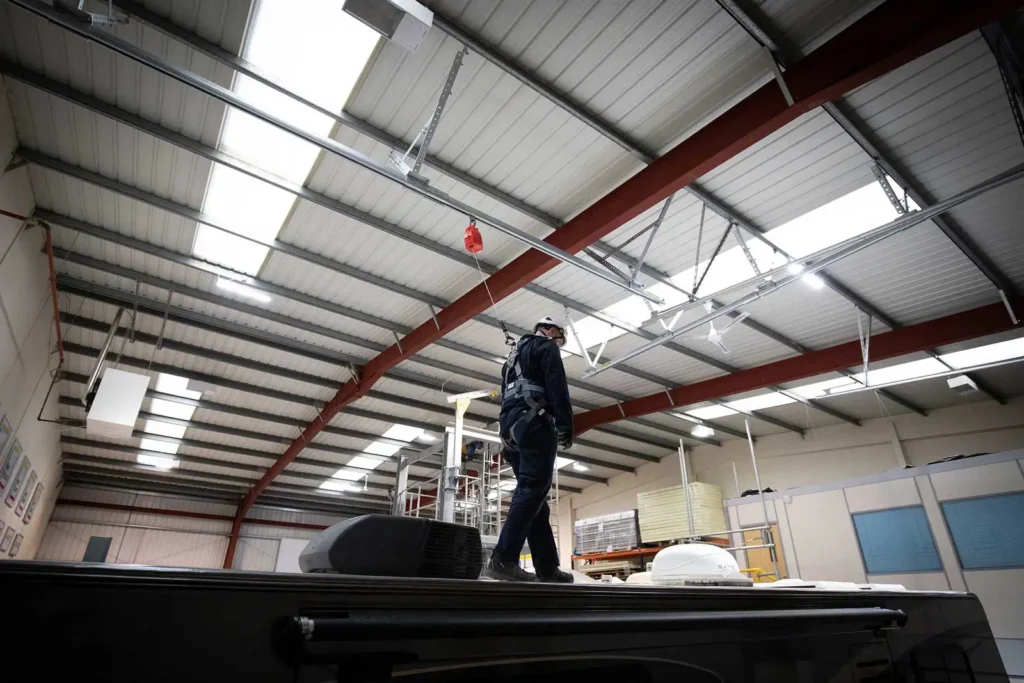
An Overhead Lifeline is a fall protection system that is installed above the worker to provide a secure point of attachment during elevated tasks. It serves as part of a complete personal fall protection system, working alongside full-body harnesses, connectors, and fall arrest devices. Because the lifeline is positioned overhead, it helps reduce free-fall distance and minimizes swing fall hazards that may occur with lower anchor points. This design allows workers to travel beneath the system while remaining safely attached throughout their tasks.
Overhead lifelines are available in a variety of configurations to suit different work environments. Some facilities use rigid rail systems for smooth and controlled movement, while others choose flexible cable systems for greater coverage over large workspaces. These systems are commonly installed in permanent facilities but can also be configured for temporary projects when necessary. Regardless of the design, the primary goal remains the same: protecting workers while allowing them to perform their jobs efficiently. An overhead lifeline has become an essential component of modern workplace safety programs because it combines reliable fall protection with improved worker mobility.
How an Overhead Lifeline System Functions
An Overhead Lifeline operates by creating a secure travel path above the worker. The system begins with structural anchorage points capable of supporting substantial loads during a fall event. A rigid rail or tensioned cable connects these anchors, allowing a trolley or shuttle to move smoothly as the worker changes position. The worker’s full-body harness connects to the trolley through a self-retracting lifeline or energy-absorbing lanyard.
As the employee moves throughout the work area, the trolley follows overhead without requiring manual adjustments. If a fall occurs, the fall arrest device activates immediately to limit the fall distance and reduce the forces transmitted to the worker. The overhead location of the anchor also helps position the worker in a safer orientation during fall arrest. This coordinated system provides dependable protection while allowing employees to focus on completing their tasks. Proper installation and compatible equipment are critical to ensuring the overhead lifeline performs exactly as intended.
Types of Overhead Lifeline Systems
There are several types of Overhead Lifeline systems available, each designed for specific workplace requirements. Rigid rail systems offer excellent mobility because the trolley moves smoothly along a fixed track with minimal resistance. These systems are commonly installed in manufacturing facilities, maintenance shops, and aircraft hangars where precision movement is important. Flexible cable systems use high-strength steel cables stretched between anchors, making them ideal for larger workspaces where rail systems may not be practical.
Single-user overhead lifelines are suitable for individual workstations where only one employee requires protection at a time. Multi-user systems are engineered to accommodate several workers simultaneously while maintaining independent fall protection. Businesses must also decide between permanent installations for ongoing operations and temporary systems used during short-term maintenance or construction activities. Each design offers different advantages based on worker movement, available structural support, and operational demands. Evaluating these factors helps organizations choose the most effective overhead lifeline for their specific environment.
Industries That Benefit from Overhead Lifeline Systems
An Overhead Lifeline is widely used across industries where employees regularly perform elevated work. Manufacturing plants rely on these systems during equipment servicing, machine maintenance, and assembly line inspections. Warehouses install overhead lifelines above loading docks, mezzanines, and elevated storage areas to improve worker safety while handling inventory. Construction companies use temporary and permanent systems to protect employees working on steel structures, rooftops, and elevated platforms.
Aircraft maintenance facilities depend on overhead lifelines to provide continuous protection while technicians service wings, fuselages, and engines. Utility providers use them inside power plants, substations, and water treatment facilities where elevated equipment requires regular maintenance. Transportation companies install overhead systems in vehicle maintenance centers for buses, trains, and heavy equipment. Shipbuilding operations and industrial processing facilities also benefit from reliable overhead fall protection. The adaptability of overhead lifeline systems makes them valuable across nearly every industry involving work at height.
Advantages of Installing an Overhead Lifeline
Installing an Overhead Lifeline delivers numerous benefits for both employers and employees. The most important advantage is improved worker safety by providing continuous fall protection during elevated tasks. Employees experience greater freedom of movement because they remain attached while traveling throughout their designated work area. This uninterrupted mobility reduces downtime caused by reconnecting to multiple anchor points.
An overhead lifeline also supports increased productivity by allowing maintenance and inspection work to proceed more efficiently. Businesses often experience fewer workplace incidents, reducing costs associated with injuries, insurance claims, and project delays. Durable materials and quality engineering provide dependable performance for many years when proper maintenance programs are followed. These systems also demonstrate a company’s commitment to workplace safety and employee well-being. Investing in an overhead lifeline is both a safety improvement and a long-term operational advantage.
Selecting the Best Overhead Lifeline for Your Facility
Choosing the right Overhead Lifeline requires careful planning and a complete understanding of workplace conditions. Employers should begin by identifying every task that exposes workers to fall hazards. Structural evaluations determine whether existing building components can safely support the required loads. The number of employees using the system simultaneously also influences whether a single-user or multi-user configuration is appropriate.
Environmental conditions should not be overlooked during equipment selection. Outdoor installations may require corrosion-resistant materials, while indoor industrial environments exposed to chemicals or high temperatures may need specialized components. Employers should also verify compatibility between harnesses, connectors, self-retracting lifelines, and other personal protective equipment. Consulting experienced fall protection specialists helps ensure the selected system meets operational needs while complying with applicable safety requirements. A carefully planned overhead lifeline provides dependable protection for years to come.
Safety Standards and Compliance Requirements
Every Overhead Lifeline should meet recognized workplace safety regulations and industry standards. OSHA establishes minimum fall protection requirements for employees working at elevated heights, while ANSI standards provide detailed guidance regarding equipment performance, testing, inspection, and installation. Following these standards helps ensure the system performs properly during an emergency.
Employers are responsible for providing appropriate fall protection equipment, maintaining accurate inspection records, and ensuring employees receive adequate training before using the system. Workers also have responsibilities, including performing pre-use inspections and reporting damaged equipment immediately. Maintaining written documentation supports compliance efforts and demonstrates an organization’s commitment to workplace safety. Regular audits further help identify opportunities for improvement before hazards develop. Compliance strengthens both employee protection and operational reliability.
Installation, Inspection, and Maintenance Best Practices
Proper installation is essential for maximizing the effectiveness of an Overhead Lifeline. Qualified professionals should evaluate the worksite, verify structural capacity, and position anchor points to provide optimal coverage. Following manufacturer instructions during installation ensures the system maintains its certified performance. Once installed, operational testing should confirm that trolleys move freely and all components function correctly before employees begin work.
Routine inspections play an equally important role in maintaining long-term reliability. Workers should inspect harnesses, connectors, cables, rails, and attachment devices before every use. Scheduled inspections by qualified personnel provide a more detailed assessment of wear, corrosion, deformation, or mechanical damage. Preventive maintenance may include cleaning components, replacing worn hardware, and lubricating moving parts when recommended by the manufacturer. Keeping detailed maintenance records helps organizations monitor equipment condition and plan future servicing. A proactive maintenance program extends equipment life while supporting consistent workplace safety.
Common Mistakes to Avoid
Even the best Overhead Lifeline system can become less effective if basic safety practices are ignored. One common mistake is failing to inspect equipment before each use, allowing damaged components to remain in service. Another frequent issue involves mixing equipment from different manufacturers without verifying compatibility. Overloading the system beyond its rated capacity can also compromise worker protection.
Improper harness adjustment reduces the effectiveness of fall arrest equipment during an emergency. Some organizations underestimate the importance of employee training, resulting in incorrect attachment procedures or unsafe work habits. Neglecting scheduled maintenance may allow small issues to develop into serious safety concerns over time. Ignoring swing fall hazards can expose workers to additional impact risks even when connected to the system. Avoiding these mistakes helps ensure the overhead lifeline continues to provide dependable protection throughout its service life.
Advances in Overhead Lifeline Technology
The design of the Overhead Lifeline continues to improve as manufacturers develop new materials and engineering solutions. Lightweight aluminum rail systems reduce structural loads while maintaining exceptional durability. Improved trolley mechanisms create smoother movement, allowing workers to travel more naturally beneath the system. Enhanced energy absorbers further reduce fall forces, increasing worker protection during unexpected incidents.
Digital inspection software now helps organizations manage maintenance schedules and maintain detailed service records. Some advanced systems incorporate smart sensors capable of identifying overload events or signaling when inspections are due. Modular designs simplify facility expansions by allowing additional sections to be added without replacing the existing installation. Improved corrosion-resistant materials also extend equipment life in demanding industrial environments. These innovations make modern overhead lifeline systems safer, more reliable, and easier to manage than ever before.
Frequently Asked Questions
What is an Overhead Lifeline?
An overhead lifeline is a fall protection system installed above the worker that provides continuous attachment while working at height. It allows employees to move safely beneath the system while remaining connected at all times.
Why is an Overhead Lifeline safer than using a fixed anchor point?
Because the anchor remains overhead, it generally reduces free-fall distance and swing fall hazards while allowing greater mobility across the work area.
Can multiple workers use one Overhead Lifeline?
Yes. Many systems are specifically engineered to accommodate multiple users, provided the installation follows the manufacturer’s load and capacity requirements.
How often should an Overhead Lifeline be inspected?
Workers should visually inspect the system before each use, while qualified inspectors should conduct scheduled inspections according to applicable regulations and manufacturer recommendations.
What industries commonly install Overhead Lifeline systems?
Manufacturing, construction, warehousing, aviation, utilities, transportation, mining, and industrial maintenance operations frequently use overhead lifeline systems to protect employees working at height.
Does an Overhead Lifeline require professional installation?
Professional installation is strongly recommended because proper structural analysis, anchor placement, load calculations, and testing are necessary to ensure the system performs safely.
What equipment works with an Overhead Lifeline?
Most systems are used with full-body harnesses, self-retracting lifelines, energy-absorbing lanyards, connectors, and compatible fall arrest equipment approved by the manufacturer.
How does a business choose the right Overhead Lifeline?
The best choice depends on workplace hazards, worker movement, structural support, environmental conditions, number of users, and applicable safety regulations. A professional assessment helps identify the most suitable solution.
Takeaway
An Overhead Lifeline is one of the most dependable fall protection solutions for organizations where employees perform elevated work on a regular basis. By providing continuous attachment, supporting unrestricted movement, and reducing fall hazards, these systems improve both workplace safety and operational efficiency. Selecting the right system, ensuring professional installation, conducting routine inspections, and maintaining employee training are all essential for long-term performance. As technology continues to advance, overhead lifeline systems offer even greater durability, flexibility, and ease of maintenance. Businesses that prioritize comprehensive fall protection create safer work environments, reduce operational risks, and support a culture where employees can perform their responsibilities with confidence every day.