What Is a Horizontal Lifeline?
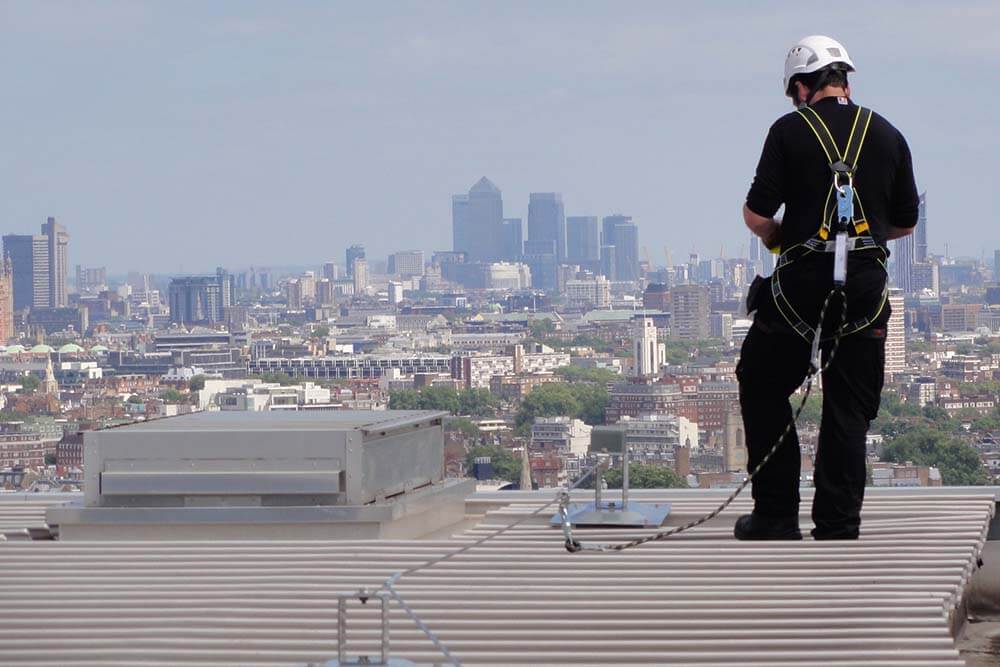
A Horizontal Lifeline is a fall protection system designed to keep workers safely connected while performing tasks across elevated work surfaces. Unlike single-point anchor systems that restrict movement, a Horizontal Lifeline allows users to travel laterally without disconnecting from their fall protection equipment. This capability is especially valuable in workplaces where employees need to cover long distances, such as rooftops, bridges, loading platforms, and industrial facilities. The system generally consists of a tensioned cable or rope secured between engineered anchor points, along with connectors, energy absorbers, and compatible personal protective equipment. When properly installed and used, a Horizontal Lifeline minimizes the risk of falls while allowing workers to complete their duties more efficiently. It also helps employers create safer job sites by supporting compliance with recognized workplace safety standards. As industries continue to prioritize employee safety, Horizontal Lifeline systems remain one of the most dependable solutions for preventing serious fall-related incidents.
How a Horizontal Lifeline System Functions
A Horizontal Lifeline works by providing a continuous attachment point that travels along the worker’s path. The system begins with two or more structural anchor points capable of supporting the loads generated during a potential fall. Between these anchors is a durable cable or synthetic rope that serves as the lifeline. Workers connect their full-body harnesses to the Horizontal Lifeline using approved lanyards, self-retracting lifelines, or shuttle devices that glide smoothly along the cable. If a fall occurs, built-in energy absorbers reduce the impact forces transmitted to both the worker and the supporting structure. Proper engineering ensures the cable maintains appropriate tension while providing adequate fall clearance. Every component of the Horizontal Lifeline must work together as an integrated system to deliver dependable fall protection throughout the workday.
Different Types of Horizontal Lifeline Systems
There are several Horizontal Lifeline options available to accommodate different job requirements and work environments. Temporary Horizontal Lifeline systems are commonly selected for construction sites and maintenance projects because they are easy to install, relocate, and remove. Permanent systems are ideal for facilities where employees frequently perform inspections or maintenance at elevated locations, offering long-lasting protection with minimal disruption. Engineered Horizontal Lifeline systems are specifically designed for unique structures that require customized solutions to meet safety and structural demands. Portable systems are another practical choice for contractors who travel between multiple job sites and need flexible fall protection equipment. Some Horizontal Lifeline systems are designed for a single user, while others safely accommodate multiple workers simultaneously. Choosing the correct system depends on the nature of the work, the worksite layout, and the expected number of users.
Industries That Depend on Horizontal Lifelines
A Horizontal Lifeline serves a wide variety of industries where work at height presents significant hazards. Construction companies rely on these systems during steel erection, roofing, concrete work, and structural maintenance. Manufacturing facilities install Horizontal Lifelines to protect maintenance personnel servicing overhead machinery and production equipment. Utility companies use them when technicians inspect power infrastructure and elevated installations. Telecommunications providers depend on Horizontal Lifeline systems while maintaining communication structures and rooftop equipment. Transportation facilities, airports, ports, warehouses, and distribution centers also benefit from continuous fall protection during routine maintenance activities. Oil and gas operations frequently incorporate Horizontal Lifelines into their safety programs because workers often perform tasks on elevated platforms. Their versatility makes them suitable for nearly any workplace where safe horizontal movement is required.
Advantages of Installing a Horizontal Lifeline
One of the greatest strengths of a Horizontal Lifeline is its ability to provide uninterrupted fall protection over a broad work area. Workers remain securely connected while moving from one location to another without repeatedly disconnecting and reconnecting to different anchor points. This continuous protection helps reduce human error and increases overall job site safety. Greater freedom of movement also allows employees to complete tasks more efficiently, improving productivity without compromising protection. Businesses benefit from fewer workplace incidents, reduced downtime, and lower accident-related costs. Investing in a Horizontal Lifeline also demonstrates a company’s commitment to employee well-being and regulatory compliance. Over time, the combination of improved safety and operational efficiency makes these systems an excellent long-term investment.
Essential Components of a Horizontal Lifeline
Every Horizontal Lifeline relies on several critical components that function together to provide effective fall protection. Structural anchor points support the entire system and must be capable of handling expected loads during a fall event. The lifeline itself may consist of stainless steel cable, galvanized cable, or high-strength synthetic rope depending on environmental conditions. Intermediate brackets support longer spans while limiting cable movement and excessive deflection. Energy absorbers are designed to reduce fall forces and protect both workers and structural anchors from excessive stress. Connectors, carabiners, and compatible lanyards create secure links between the worker and the Horizontal Lifeline. A certified full-body harness distributes fall forces safely across the body while maintaining proper positioning. Inspection labels and identification markings help ensure every component remains in service only while meeting manufacturer recommendations.
Selecting the Right Horizontal Lifeline for Your Workplace
Choosing the best Horizontal Lifeline requires evaluating several important factors before installation begins. Employers should first consider the type of work being performed and how frequently workers will access elevated areas. Environmental conditions such as rain, humidity, chemical exposure, and extreme temperatures influence material selection and system durability. Another consideration is the number of workers who will connect to the system simultaneously, as different Horizontal Lifelines have varying user capacities. The distance workers need to travel and the available fall clearance also affect system design. Compliance with OSHA requirements, ANSI standards, and manufacturer specifications should remain a priority throughout the selection process. Consulting experienced fall protection professionals helps ensure the chosen Horizontal Lifeline provides reliable performance for years to come.
Best Practices for Horizontal Lifeline Installation
Proper installation is essential to maximizing the effectiveness of a Horizontal Lifeline. Every project should begin with a thorough assessment of the supporting structure to verify that anchor locations meet engineering requirements. Installers should follow manufacturer instructions carefully to ensure all hardware, cables, and energy absorbers are assembled correctly. Cable tension must be adjusted according to design specifications because incorrect tension can influence fall clearance and system performance. After installation, every connection should be inspected before workers begin using the system. Permanent Horizontal Lifelines often require engineering documentation and installation records for regulatory compliance. Following these best practices helps ensure the system performs as intended whenever fall protection is needed.
Inspection and Preventive Maintenance
Routine inspections are one of the most important responsibilities associated with any Horizontal Lifeline. Before every use, workers should examine cables, anchors, connectors, harnesses, and energy absorbers for signs of damage or wear. Scheduled inspections by competent personnel provide a more comprehensive evaluation of cable condition, structural integrity, hardware performance, and overall system reliability. Corrosion, frayed cables, loose fittings, and damaged components should be addressed immediately to prevent equipment failure. Maintenance records should be updated after each inspection to provide documentation for safety audits and compliance reviews. Cleaning and proper storage also help extend the service life of removable Horizontal Lifeline equipment. Consistent preventive maintenance ensures dependable protection whenever employees work at height.
Common Errors That Reduce Horizontal Lifeline Safety
Several avoidable mistakes can compromise the effectiveness of a Horizontal Lifeline system. Using equipment from different manufacturers without verifying compatibility may reduce overall system performance. Selecting weak or unsuitable anchor points increases the risk of structural failure during a fall. Exceeding the system’s approved user capacity creates unnecessary stress on the cable and supporting hardware. Skipping routine inspections allows damaged equipment to remain in service longer than it should. Workers who receive insufficient training may misuse the system or fail to recognize unsafe conditions before beginning work. Unauthorized alterations or repairs also threaten the integrity of the Horizontal Lifeline. Eliminating these common errors strengthens workplace safety and helps protect both employees and employers.
Horizontal Lifeline Compared with Vertical Lifeline Systems
Although both systems are designed for fall protection, they serve different workplace applications. A Horizontal Lifeline supports movement across elevated surfaces, allowing workers to travel from side to side while remaining attached. A vertical lifeline is primarily intended for climbing ladders, towers, and similar structures where movement occurs upward or downward. Horizontal Lifelines typically cover larger work areas and reduce the need for multiple anchor connections. Vertical systems are better suited for confined climbing tasks that require continuous vertical protection. Understanding these differences helps safety managers select equipment that matches the specific hazards present at each job site. Using the correct fall protection system improves efficiency while reducing unnecessary risks.
Workplace Standards and Regulatory Compliance
Every Horizontal Lifeline should meet applicable workplace safety requirements before being placed into service. OSHA regulations establish employer responsibilities for protecting workers exposed to fall hazards, while ANSI standards provide guidance on equipment performance and system design. Employers must ensure the Horizontal Lifeline is installed correctly, inspected regularly, and used only with compatible fall protection equipment. Employees should receive proper training on inspection procedures, connection methods, and emergency response protocols. Documentation of inspections, maintenance, and worker training supports ongoing compliance with workplace safety programs. Certified equipment from reputable manufacturers offers greater confidence in system reliability. Maintaining compliance protects employees while helping organizations avoid unnecessary legal and financial consequences.
The Importance of Worker Training
Training is a key factor in ensuring the safe use of every Horizontal Lifeline. Employees should understand how to inspect personal protective equipment before beginning work each day. They also need practical instruction on connecting safely to the Horizontal Lifeline while maintaining continuous protection throughout their tasks. Workers should learn proper movement techniques that minimize swing falls and reduce unnecessary stress on the system. Emergency rescue planning is equally important because a prompt response can significantly improve outcomes following a fall. Refresher training keeps employees informed about changing regulations, equipment updates, and workplace procedures. A knowledgeable workforce is one of the strongest defenses against fall-related accidents.
New Developments in Horizontal Lifeline Technology
Advances in engineering continue to improve the performance of Horizontal Lifeline systems. Manufacturers now produce lighter yet stronger materials that simplify transportation and installation without sacrificing durability. Stainless steel and corrosion-resistant coatings help extend equipment life in harsh environments. Improved energy absorbers provide better force management during fall events, increasing protection for both workers and supporting structures. Some modern Horizontal Lifeline systems incorporate digital inspection tracking, allowing maintenance teams to monitor service schedules more efficiently. Modular designs also make it easier to expand existing systems as facilities grow or operational needs change. These innovations continue to enhance workplace safety while improving long-term operational value.
Frequently Asked Questions
What is a Horizontal Lifeline?
A Horizontal Lifeline is a fall protection system that allows workers to move safely across elevated work areas while remaining connected to a secure anchorage.
Who should use a Horizontal Lifeline?
Construction workers, maintenance personnel, roofers, utility technicians, manufacturing employees, and anyone exposed to fall hazards can benefit from using a Horizontal Lifeline.
Can a Horizontal Lifeline support multiple workers?
Some systems are engineered for multiple users, while others are intended for a single worker. Always follow the manufacturer’s capacity rating.
How often should a Horizontal Lifeline be inspected?
A visual inspection should be completed before every use, with detailed inspections performed periodically by qualified personnel.
Can a Horizontal Lifeline be installed permanently?
Yes. Permanent Horizontal Lifeline systems are widely used on commercial buildings, industrial facilities, and structures requiring regular maintenance.
Why is worker training important?
Training ensures employees know how to inspect equipment, connect properly, move safely, and respond appropriately during emergencies.
What standards apply to Horizontal Lifeline systems?
Most workplaces follow OSHA regulations and ANSI standards to ensure proper installation, inspection, and use of Horizontal Lifeline equipment.
Takeaway
A Horizontal Lifeline is far more than a cable stretched between anchor points—it is a critical investment in workplace safety. By providing continuous fall protection, increasing worker mobility, and supporting regulatory compliance, these systems help reduce the risk of serious injuries in elevated work environments. Selecting the right Horizontal Lifeline, ensuring proper installation, conducting regular inspections, and providing ongoing employee training all contribute to a safer and more productive workplace. Whether used in construction, manufacturing, utilities, transportation, or facility maintenance, a properly managed Horizontal Lifeline system gives workers the confidence to perform their jobs safely while helping organizations build a stronger culture of fall prevention.