Every year, thousands of employees perform tasks on rooftops, scaffolding, elevated platforms, communication towers, and other high-risk work areas. While these jobs are necessary across many industries, they also present one of the most significant workplace hazards—falls from height. A properly designed Fall Arrest System provides a critical layer of protection by stopping a fall before a worker reaches the ground or another dangerous surface. More than just a collection of equipment, it is a complete safety solution that combines engineering, planning, inspection, training, and emergency preparedness. Businesses that invest in reliable fall protection not only help safeguard their workforce but also improve productivity, reduce costly incidents, and demonstrate a commitment to workplace safety. Understanding how a Fall Arrest System works and how to use it correctly is essential for employers, supervisors, and workers alike.
Understanding What a Fall Arrest System Does
A Fall Arrest System is specifically designed to protect workers after a fall begins. Instead of preventing access to hazardous areas, it safely arrests the fall by absorbing energy and keeping the worker suspended above the ground. This significantly reduces the force placed on the body during a fall and helps prevent life-threatening injuries. The system functions only when every component works together as intended, making proper equipment selection extremely important. It is commonly used whenever employees perform tasks where fall hazards cannot be completely eliminated through engineering controls or work practices. Construction sites, warehouses, industrial plants, and maintenance operations frequently depend on this type of protection. By understanding the purpose of a Fall Arrest System, organizations can make informed decisions that enhance workplace safety and reduce unnecessary risks.
The Importance of Fall Protection in Modern Workplaces
Working at elevated heights remains one of the leading causes of serious workplace injuries across multiple industries. A single fall can result in long recovery periods, expensive medical costs, damaged equipment, delayed projects, and emotional hardship for workers and their families. Implementing a dependable Fall Arrest System helps reduce these risks by providing a reliable method of stopping falls before they become catastrophic. Employers who prioritize fall protection often experience improved employee confidence because workers know their safety is taken seriously. Strong safety practices can also increase operational efficiency by reducing disruptions caused by workplace accidents. Many clients and business partners prefer working with organizations that maintain high safety standards. Making a Fall Arrest System part of daily operations supports long-term business success while protecting the people who keep projects moving forward.
Essential Components of a Fall Arrest System
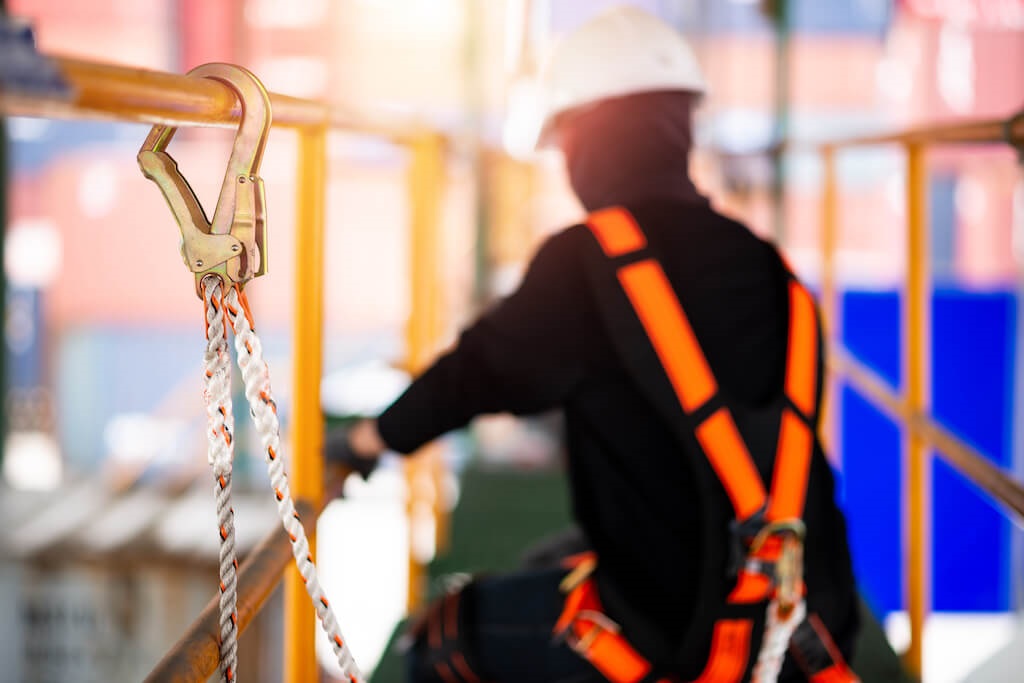
Every Fall Arrest System consists of several components that must function together as one complete safety solution. The full-body harness serves as the primary wearable component and distributes arrest forces across stronger parts of the body. Anchorage points provide secure attachment locations capable of supporting the loads generated during a fall. Connecting devices such as shock-absorbing lanyards and self-retracting lifelines link the worker to the anchor while helping reduce impact forces. Connectors including locking carabiners and snap hooks ensure secure and compatible connections between every component. Lifelines provide mobility while maintaining continuous attachment during work activities. Because every element contributes to the overall performance of the Fall Arrest System, routine inspections and proper equipment compatibility are essential for maintaining worker protection.
How a Fall Arrest System Protects Workers
The effectiveness of a Fall Arrest System depends on its ability to react immediately during a fall. Once a worker loses balance and begins falling, the connecting device activates to manage the forces generated by the sudden movement. Energy absorbers help reduce shock loads, lowering the stress placed on the worker’s body and the anchorage. The secure anchor holds the system in place while the harness supports the worker in an upright position. Adequate fall clearance ensures the worker does not strike the ground or nearby structures before the system fully arrests the fall. After the fall has been stopped, rescue procedures should begin promptly to safely retrieve the worker. Every stage demonstrates why proper planning and equipment selection are vital when implementing a Fall Arrest System.
Different Types of Fall Arrest Systems
No single Fall Arrest System fits every work environment, which is why several configurations are available. Personal Fall Arrest Systems are widely used because they provide individual protection through a harness, lanyard or self-retracting lifeline, and anchorage. Horizontal lifeline systems allow workers to travel safely across rooftops, bridges, and large industrial structures. Vertical lifeline systems support workers climbing ladders, towers, and similar elevated structures. Self-retracting lifelines offer greater mobility while minimizing free-fall distance through automatic tension control. Temporary systems provide flexibility for construction and short-term projects, while permanent systems offer ongoing protection for facilities requiring routine maintenance. Selecting the appropriate Fall Arrest System depends on the work environment, hazards, employee movement, and project requirements.
Factors to Consider Before Selecting a Fall Arrest System
Choosing the right Fall Arrest System involves much more than purchasing safety equipment. Employers should begin with a thorough hazard assessment to identify every location where fall risks exist. The height of the work area and available fall clearance influence which type of connecting device is most appropriate. Environmental conditions such as moisture, chemicals, extreme temperatures, and sharp edges should also be evaluated because they affect equipment durability. Worker comfort and ease of movement play an important role in encouraging consistent use throughout the workday. Equipment compatibility is equally important because mixing incompatible components can compromise safety. A carefully selected Fall Arrest System delivers better protection, improves efficiency, and supports long-term workplace safety objectives.
Industries That Commonly Use Fall Arrest Systems
Many industries rely on a dependable Fall Arrest System as part of their daily operations. Construction workers use fall protection while installing structural components, roofing materials, and exterior finishes. Telecommunications professionals depend on specialized systems while servicing towers and communication equipment. Utility crews require fall protection when working on electrical infrastructure and transmission systems. Manufacturing facilities utilize fall arrest equipment during maintenance of elevated machinery and overhead production lines. Warehouse personnel may also require fall protection when accessing high storage areas or performing building maintenance. Wind energy technicians and industrial maintenance teams frequently work hundreds of feet above ground, making reliable fall protection indispensable. Across every industry, a properly implemented Fall Arrest System helps reduce workplace hazards and supports safer operations.
Common Errors That Can Compromise Worker Safety
Even the most advanced Fall Arrest System cannot perform effectively if it is used improperly. Workers sometimes wear harnesses that are too loose or incorrectly adjusted, reducing their ability to protect the body during a fall. Another common issue involves attaching equipment to unsuitable anchorage points that may not withstand required loads. Failing to inspect harnesses, lanyards, connectors, and lifelines before use can allow damaged equipment to remain in service. Some organizations overlook fall clearance calculations, increasing the risk of workers striking lower surfaces. Inadequate employee training may also result in incorrect equipment usage or delayed emergency response. Ignoring rescue planning further increases the potential consequences of a fall event. Eliminating these common mistakes greatly improves the effectiveness of every Fall Arrest System.
Inspection and Maintenance for Long-Term Reliability
Regular maintenance helps ensure that every Fall Arrest System performs as expected whenever it is needed. Daily inspections allow workers to identify cuts, abrasions, corrosion, broken stitching, and damaged hardware before beginning work. More detailed periodic inspections performed by qualified personnel provide additional confidence that equipment remains safe for continued use. Proper cleaning removes dirt and contaminants without damaging materials or protective coatings. Correct storage practices help prevent unnecessary exposure to sunlight, moisture, chemicals, and physical damage. Equipment that has been subjected to a fall should be removed from service until it has been evaluated according to manufacturer guidance. A well-managed inspection and maintenance program extends equipment life while supporting dependable Fall Arrest System performance.
Why Employee Training Is Just as Important as Equipment
Providing quality equipment is only one part of an effective fall protection program. Employees must understand how a Fall Arrest System works before using it in real-world situations. Training should include proper harness fitting, equipment inspection, anchorage selection, connection methods, and emergency procedures. Hands-on practice allows workers to become comfortable with their equipment while reinforcing safe work habits. Supervisors should also receive training so they can monitor compliance and identify unsafe practices. Refresher courses help workers stay current with updated procedures and newly introduced equipment. Combining ongoing education with a dependable Fall Arrest System creates a stronger safety culture throughout the organization.
Fall Clearance and Rescue Planning
Proper fall clearance is one of the most important considerations when designing a Fall Arrest System. Sufficient clearance ensures there is enough distance for the system to fully arrest a fall before the worker reaches the ground or another obstruction. Calculations should account for free-fall distance, deceleration, harness stretch, worker height, and additional safety margins. Swing fall hazards should also be minimized by positioning anchorage points directly above work areas whenever possible. Equally important is having a rescue plan ready before work begins. Rescue equipment should be available, emergency procedures should be documented, and workers should participate in regular rescue drills. Combining accurate fall clearance calculations with emergency preparedness enhances the overall effectiveness of a Fall Arrest System.
New Developments in Fall Arrest System Technology
Advancements in safety technology continue to improve the capabilities of every Fall Arrest System. Modern harnesses are lighter, more ergonomic, and designed for greater comfort during extended work shifts. Self-retracting lifelines have become more compact while offering smoother operation and faster locking mechanisms. Digital inspection software allows organizations to track maintenance schedules and equipment history with greater accuracy. Some systems now incorporate smart sensors that monitor equipment status and worker movement in real time. Manufacturers are also introducing stronger materials that provide excellent durability while reducing overall weight. These innovations help organizations improve safety, increase efficiency, and encourage greater worker compliance with fall protection requirements.
Frequently Asked Questions (FAQ)
What is the purpose of a Fall Arrest System?
A Fall Arrest System is designed to stop a worker safely after a fall begins, helping reduce the risk of severe injury or death.
Who should use a Fall Arrest System?
It should be used by workers who perform tasks at heights where fall hazards cannot be completely eliminated.
What equipment is included in a Fall Arrest System?
A typical system includes a full-body harness, anchorage point, connecting device, connectors, and, when required, a lifeline.
How often should fall protection equipment be inspected?
Equipment should be inspected before every use, with more detailed inspections conducted regularly by qualified personnel.
Can damaged equipment still be used?
No. Any equipment showing signs of damage or involved in a fall event should be removed from service until properly evaluated.
Why is rescue planning necessary?
Even after a fall is safely arrested, workers need prompt rescue to reduce the risks associated with prolonged suspension.
How can employers improve the effectiveness of a Fall Arrest System?
Employers should provide quality equipment, perform regular inspections, conduct comprehensive training, and maintain clear rescue procedures.
Takeaway
A dependable Fall Arrest System is far more than a collection of safety equipment—it is a comprehensive approach to protecting workers who perform tasks at elevated heights. Proper equipment selection, regular inspections, employee training, accurate fall clearance calculations, and well-developed rescue plans all contribute to safer job sites. Organizations that prioritize fall protection reduce workplace risks while improving operational efficiency and employee confidence. As safety technology continues to evolve, modern fall protection solutions provide greater comfort, reliability, and ease of use than ever before. Making the Fall Arrest System a central part of every work-at-height program helps businesses protect their workforce, strengthen their safety culture, and support consistent long-term performance.