The Growing Presence of Overseas Filipino Employment
Filipinos have long been recognized for their resilience, talent, and hard work, qualities that have made them sought-after workers in countries around the world. Over the decades, overseas Filipino employment has evolved into one of the most significant contributors to the Philippine economy. Millions of Filipinos have found work opportunities abroad, from the Middle East to North America, Asia, and Europe, forming a global workforce that powers industries and supports families back home. This global migration began in earnest during the 1970s, as economic challenges pushed many to seek better lives overseas. Today, the Philippines is among the top labor-exporting countries, with millions of Overseas Filipino Workers (OFWs) sending remittances that sustain communities and drive local development. The steady rise of overseas Filipino employment highlights not only the economic necessity but also the growing global demand for Filipino skills, work ethic, and adaptability.
Why Filipinos Choose to Work Abroad
Behind every decision to work overseas is a story of sacrifice and hope. Many Filipinos pursue overseas employment to provide better financial stability for their families. Rising costs of living, limited job opportunities, and low wages in the local market are among the primary reasons why Filipinos take the leap toward global employment. Working abroad offers the promise of higher income, career growth, and a chance to build a better future. For some, it’s about fulfilling personal aspirations, while for others, it’s about ensuring their children receive quality education or helping family members improve their quality of life. Overseas Filipino employment also thrives because of strong community networks that share job information, offer emotional support, and inspire others to follow the same path. Despite the challenges, the decision to leave home is often seen as a noble act of love and dedication to family. The sacrifices made by millions of Filipinos abroad reflect the deep sense of responsibility that continues to define the Filipino spirit.
Top Industries Driving Overseas Filipino Employment
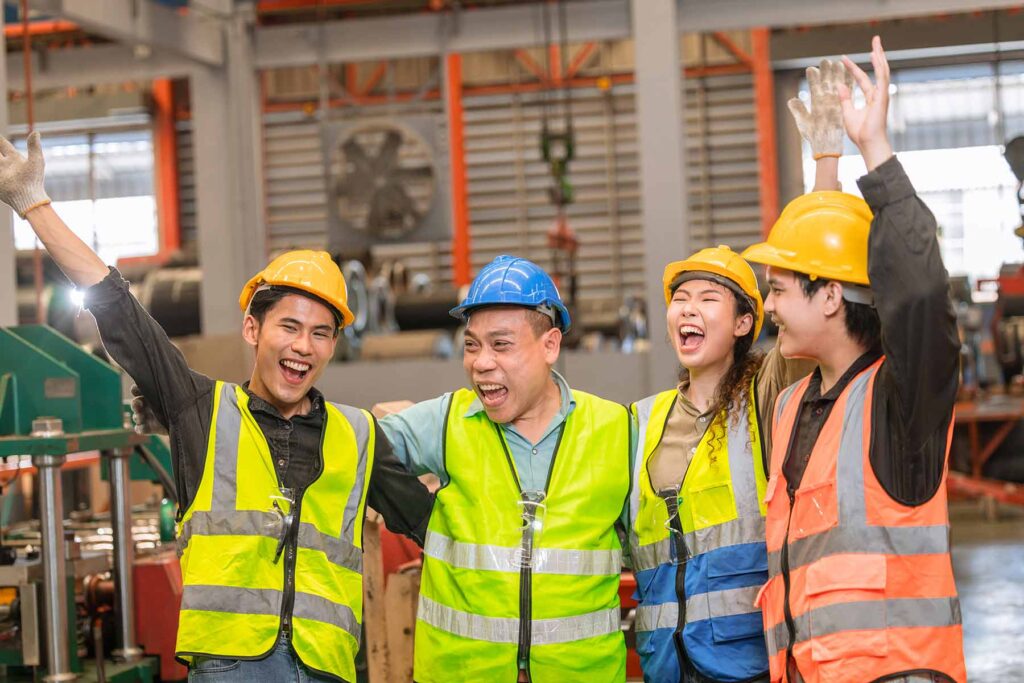
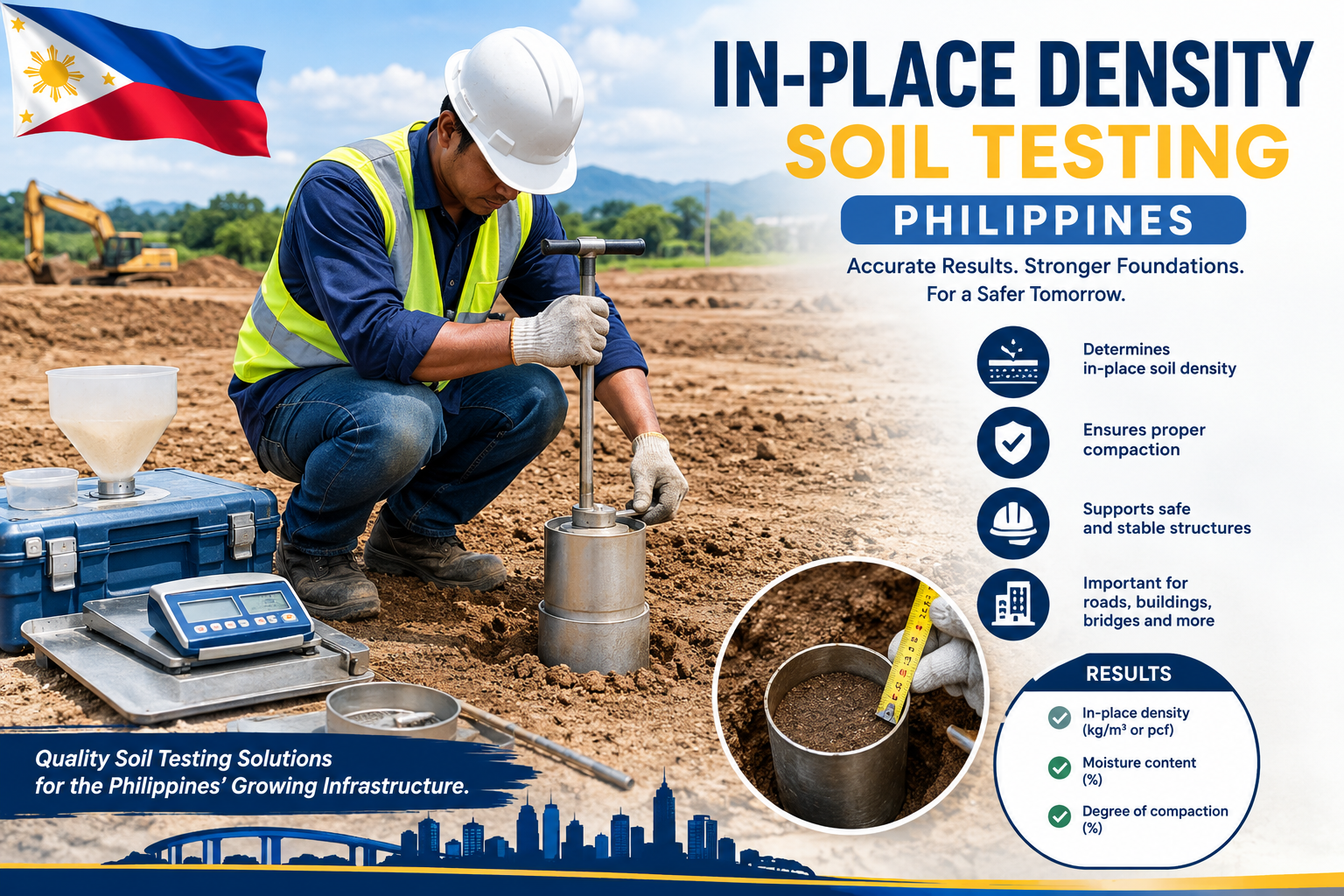
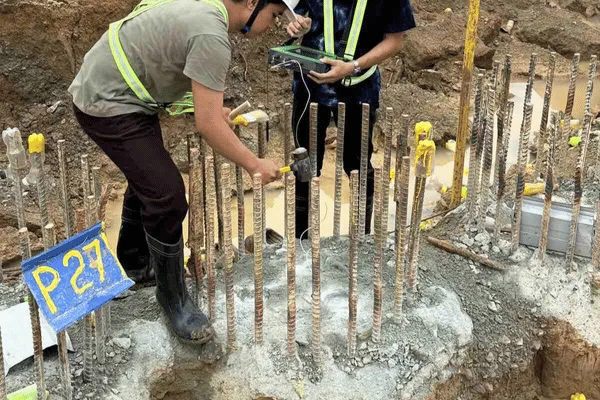
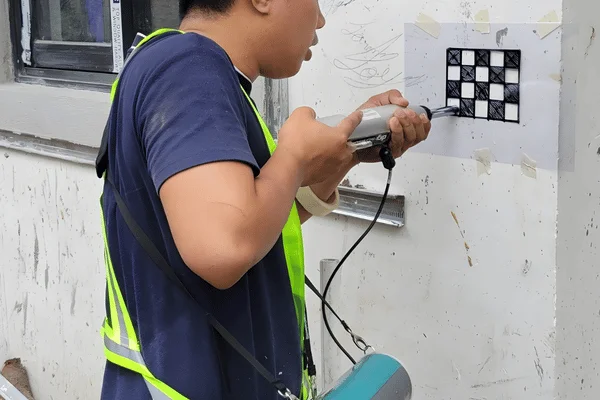
Overseas Filipino employment spans a wide range of industries, showing just how versatile Filipino workers are. The healthcare sector remains one of the biggest employers of Filipinos abroad, with nurses, caregivers, and medical professionals making a difference in hospitals and clinics across the globe. Construction and engineering are also key sectors, where skilled workers contribute to massive infrastructure projects in the Middle East and Asia. Meanwhile, the demand for IT professionals, software developers, and business process experts continues to rise as global companies seek tech-savvy Filipino talent. Other thriving areas include domestic work, hospitality, and maritime employment. Filipino seafarers make up a large percentage of the world’s shipping crews, showcasing their technical expertise and discipline.
Some of the top industries employing Filipinos overseas include:
- Healthcare (nurses, caregivers, medical technicians)
- Construction and engineering
- Information technology and digital services
- Maritime and logistics
- Hospitality and household service sectors
These industries not only sustain global operations but also highlight the adaptability and reliability of the Filipino workforce, which continues to earn international respect.
How Overseas Filipino Employment Impacts the Philippine Economy
The economic contribution of overseas Filipino employment cannot be overstated. Remittances sent by OFWs amount to billions of dollars each year, fueling economic growth and improving the lives of countless families. These funds are often used for essential needs such as education, housing, and healthcare, but they also stimulate local businesses and boost consumer spending. The inflow of remittances strengthens the country’s financial stability and contributes significantly to foreign reserves. Moreover, overseas Filipino employment has indirectly influenced national labor policies, promoting better protection for migrant workers. Beyond economics, the positive ripple effect of overseas employment extends to community development—families invest in homes, businesses, and education, paving the way for better opportunities for the next generation. However, this dependence on remittances also presents a challenge: the country must strike a balance between celebrating overseas success and building a stronger domestic job market.
Navigating the Recruitment and Deployment Process
Securing legitimate overseas Filipino employment requires careful preparation and awareness. Prospective OFWs must go through a legal process facilitated by the Department of Migrant Workers (DMW), formerly known as POEA. This ensures they are protected and deployed under safe and lawful conditions. Applicants need to verify the legitimacy of recruitment agencies, which must be duly licensed by the government. Important documents such as passports, employment contracts, medical clearances, and pre-departure orientation certificates are required before deployment.
Filipinos seeking overseas employment should always keep in mind:
- Verify if the agency is accredited by DMW or POEA.
- Never deal with individuals offering jobs without proper documentation.
- Attend official pre-departure orientations and trainings.
- Keep copies of contracts and important documents for personal safety.
- Stay informed about host country labor laws and worker rights.
Illegal recruitment remains a serious threat, but awareness and vigilance can prevent exploitation. A well-informed worker is better protected and more likely to enjoy a secure and rewarding overseas experience.
Challenges Faced by Overseas Filipino Workers
While overseas employment offers many rewards, it also comes with challenges. Many Filipino workers experience loneliness, homesickness, and emotional stress due to long separations from loved ones. Cultural differences, language barriers, and workplace discrimination can also create difficulties in adaptation. Some workers face contract violations, unpaid wages, or unfair treatment from employers. The emotional toll of being far from home often leads to anxiety or depression, particularly for those working in isolated environments. In some countries, workers also face risks of abuse or neglect, especially in domestic or construction sectors. These challenges highlight the importance of strong legal protection and mental health support for OFWs. Government agencies and support networks continue to push for better working conditions and promote financial literacy to help Filipinos make the most of their overseas experience. Despite the hardships, the resilience and courage of OFWs remain unshaken, making them true modern-day heroes.
Government and Institutional Support for Overseas Filipino Employment
The Philippine government plays a vital role in protecting and empowering overseas Filipino workers. Agencies such as the Department of Migrant Workers (DMW), Overseas Workers Welfare Administration (OWWA), and the Department of Foreign Affairs (DFA) provide various forms of assistance, from documentation to emergency repatriation. Programs like pre-departure orientations, financial literacy training, and livelihood reintegration support returning workers and their families. OWWA also offers scholarship programs for OFW dependents and business capital assistance for those who wish to start enterprises upon returning home. In times of crisis—such as conflicts, natural disasters, or pandemics—government agencies coordinate with foreign embassies to ensure the safety and repatriation of Filipinos abroad. These efforts underscore the commitment to making overseas Filipino employment safer, more sustainable, and more empowering for the millions who rely on it.
The Evolving Future of Overseas Filipino Employment
The future of overseas Filipino employment is shifting alongside global labor trends. Traditional destinations like the Middle East and Asia remain strong, but new opportunities are emerging in Europe, North America, and Canada. The rise of digitalization has also opened doors for remote work, allowing Filipinos to work for international employers without leaving the country. Global demand is moving toward highly skilled professionals—healthcare specialists, engineers, IT experts, and educators—making training and upskilling crucial for competitiveness. As industries evolve, so too must the Filipino workforce. Emphasis on language proficiency, cultural intelligence, and technical certifications will be key to success in the coming years. The digital economy, sustainability, and artificial intelligence will redefine the types of jobs available, presenting new opportunities for globally competitive Filipinos.
Empowering the Filipino Workforce for Global Success
Succeeding in overseas employment goes beyond finding a job—it’s about building a sustainable and empowered career path. Filipinos must prepare holistically by focusing on both technical skills and emotional readiness. Resilience, adaptability, and a strong work ethic remain essential traits that make Filipinos excel globally. It’s equally important to plan for financial stability, manage earnings wisely, and think long-term about reintegration or entrepreneurship after returning home. Ethical recruitment practices and awareness of workers’ rights also ensure that the system remains fair and just. As more Filipinos enter the global labor market, the call to empower, protect, and value their contribution becomes even stronger. Overseas Filipino employment is not just an economic force—it’s a reflection of the Filipino spirit that thrives wherever it goes.
Frequently Asked Questions (FAQ)
- What are the most in-demand jobs for Overseas Filipino employment today?
Healthcare, construction, IT, maritime, and hospitality remain the top industries offering stable employment for Filipinos abroad. - How can Filipinos ensure their job offer abroad is legitimate?
Always verify job offers with the Department of Migrant Workers (DMW) or check if the recruitment agency is accredited. - What government agencies support OFWs before and after deployment?
The DMW, OWWA, and DFA provide legal, financial, and welfare assistance to OFWs. - Are there training programs to prepare for overseas work?
Yes, government-accredited centers offer pre-departure orientation, skills training, and language courses to prepare Filipinos for overseas employment. - What should returning OFWs do to reintegrate successfully in the Philippines?
They can access OWWA’s reintegration programs, business loans, and financial literacy workshops to transition smoothly back into local life.
Takeaway
Overseas Filipino employment continues to shape the nation’s economy and inspire countless families with hope and perseverance. The global workforce recognizes Filipinos not only for their skill but also for their compassion, integrity, and dedication. As opportunities expand across industries and continents, the challenge lies in preparing the next generation of workers to thrive responsibly and sustainably. Empowering Filipino workers through education, protection, and financial preparedness ensures that overseas employment remains a source of pride and progress for the Philippines.