Understanding Catwalks and Their Importance in Industrial Settings
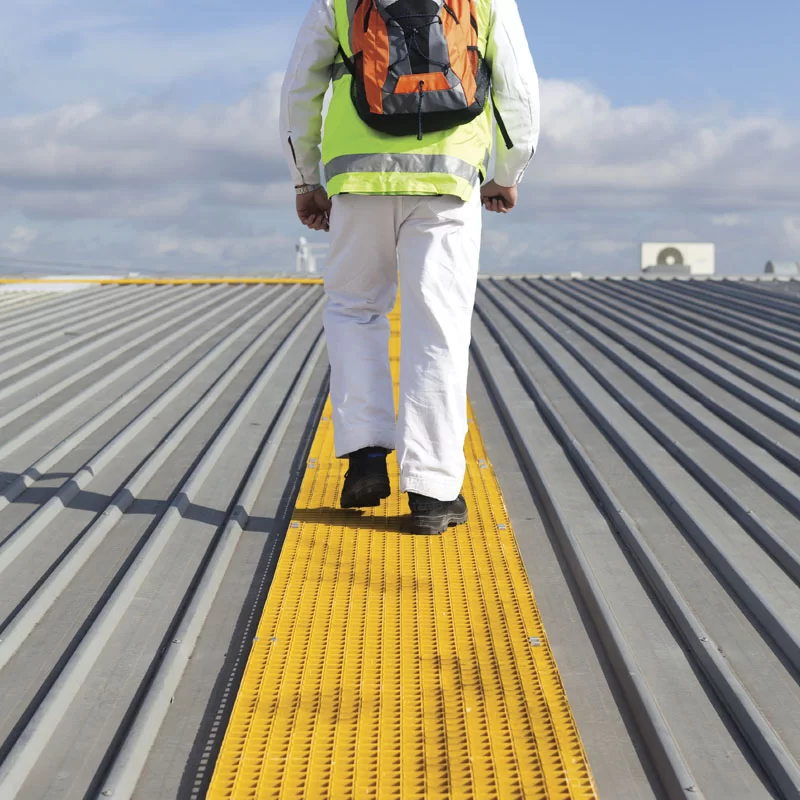
Catwalks are elevated platforms designed to provide safe and efficient access to equipment, machinery, and storage areas in industrial facilities. They are essential for minimizing workplace accidents by offering stable pathways in otherwise hazardous zones. Factories, warehouses, manufacturing plants, and commercial buildings rely heavily on catwalks for maintenance, monitoring, and operational tasks. Materials commonly used in catwalk construction in the Philippines include steel, aluminum, and composite materials, which combine strength and corrosion resistance. A properly designed and installed catwalk can support both personnel and equipment loads while complying with local building standards. Businesses that invest in high-quality catwalks reduce the risk of workplace injuries and improve workflow efficiency. Regular inspections and maintenance further extend the lifespan of these structures.
The Role of a Catwalk Installer in the Philippines
A catwalk installer in the Philippines plays a critical role in ensuring both safety and operational efficiency. These professionals assess the site, plan layouts, and guarantee the structural integrity of the platform. Unlike general construction workers, catwalk installers have specialized training in engineering, welding, and load calculations. Their responsibilities include selecting appropriate materials, securing support structures, and implementing safety features such as handrails and non-slip surfaces. Experienced installers also advise on maintenance schedules and compliance with local occupational safety regulations. Hiring a certified catwalk installer ensures that the installation meets safety standards and reduces long-term risks. Businesses benefit from peace of mind knowing that their elevated access systems are professionally constructed and durable.
Types of Catwalks Available in the Philippines
Various catwalk designs are available to meet specific industrial needs in the Philippines.
- Permanent Catwalks: Fixed platforms ideal for high-traffic areas requiring long-term durability.
- Modular Catwalks: Flexible systems that can be reconfigured or relocated as operational needs change.
- Material Options:
- Steel: High strength and durability
- Aluminum: Lightweight and corrosion-resistant
- Composite: Balances strength and low maintenance requirements
- Custom-Designed Catwalks: Tailored to unique layouts or specific machinery access requirements
Each type has its advantages depending on cost, maintenance needs, and safety requirements. Choosing the right type ensures optimal efficiency and compliance with industry standards.
The Catwalk Installation Process
Installing a catwalk in an industrial facility requires careful planning and execution.
- Site Assessment: Measuring the area, evaluating load capacity, and understanding facility constraints.
- Structural Planning: Ensuring the catwalk can support personnel and equipment safely.
- Assembly: Constructing the platform, securing beams, and adding safety railings.
- Safety Measures: Using harnesses, scaffolding, and protective equipment during installation.
- Inspection: Confirming stability, weight-bearing capacity, and adherence to local safety codes.
- Post-Installation Maintenance: Regular cleaning, bolt checks, and corrosion prevention to ensure long-term usability.
Proper installation reduces risks and guarantees that the catwalk performs efficiently under industrial conditions.
Common Challenges and Solutions in Catwalk Installation
Industrial catwalk installations often face challenges due to unique operational environments. Working in confined spaces, at heights, or near heavy machinery can complicate the process. Adapting designs to fit unconventional layouts requires expertise and creativity. Compliance with Philippine Occupational Safety and Health standards is non-negotiable, ensuring both worker safety and legal adherence. Budget constraints can also challenge project planning, though quality materials and skilled labor provide long-term savings. Environmental factors, such as exposure to humidity or chemicals, affect material choice and installation methods. Experienced installers overcome these obstacles by balancing safety, cost, and functionality.
Selecting the Right Catwalk Installer in the Philippines
Choosing the correct installer is vital for the success of a catwalk project. Key considerations include:
- Verifying certifications and professional training
- Reviewing past projects and client testimonials
- Asking about safety protocols and material quality
- Confirming post-installation support and warranty options
- Evaluating the installer’s approach to timelines and project management
Avoid installers who lack references, provide unclear warranties, or cannot explain their process clearly. Hiring a reputable installer ensures that the catwalk is safe, durable, and fully compliant with Philippine regulations.
Emerging Trends in Catwalk Installation
Modern industrial facilities in the Philippines are embracing innovations in catwalk systems. Lightweight modular catwalks are increasingly popular due to their flexibility and ease of installation. Non-slip surfaces, reinforced railings, and enhanced safety features are now standard. Technological improvements, such as pre-fabricated components and precision engineering, reduce installation time while increasing structural integrity. Environmentally friendly materials are also gaining traction, offering corrosion resistance and long-term durability. These advancements make catwalks safer, more efficient, and easier to maintain.
FAQ Section
Q1: What qualifications should a catwalk installer have in the Philippines?
A1: They should have technical training in construction, welding, and load calculations, along with relevant safety certifications.
Q2: How long does a typical catwalk installation take?
A2: Depending on the complexity and size, installations can take from a few days to several weeks.
Q3: Are catwalks suitable for both indoor and outdoor industrial areas?
A3: Yes, materials and designs can be adapted for indoor and outdoor conditions, including weather-resistant coatings.
Q4: What safety measures are standard during installation?
A4: Use of harnesses, scaffolding, protective gear, and strict adherence to occupational safety guidelines.
Q5: How often should catwalks be inspected for maintenance?
A5: Inspections should occur at least twice a year or after any significant structural change or accident.
Takeaway
Hiring a professional catwalk installer in the Philippines is essential for ensuring safety, compliance, and operational efficiency. The right installer combines technical expertise with practical experience to provide durable and functional elevated access solutions. Investing in quality materials, adhering to safety standards, and staying updated with modern trends results in catwalks that last for years while protecting personnel and assets. For industrial facility managers, contractors, and business owners, choosing a reliable catwalk installer is a decision that enhances workplace safety and overall productivity.