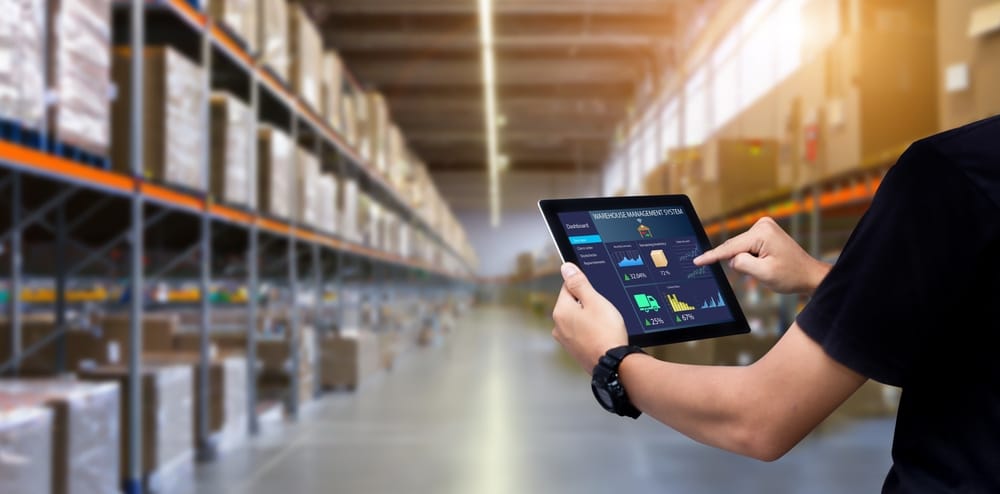
The pace of global commerce has accelerated, placing immense pressure on warehouses to move faster, smarter, and with near-perfect precision. Whether managing an e-commerce hub or a manufacturing facility, companies are seeking ways to optimize every square foot of warehouse space and every movement of inventory. This is where warehouse operations software becomes a game-changer. By automating, tracking, and analyzing every aspect of warehouse performance, it transforms chaotic storage areas into highly efficient command centers. In a world where customer expectations for fast delivery and real-time updates are non-negotiable, businesses that rely on manual processes are quickly left behind. Embracing warehouse operations software is no longer a luxury—it’s a competitive necessity for growth and sustainability.
The Growing Demand for Smarter Warehouse Operations
The rapid rise of e-commerce and just-in-time delivery has intensified the need for smarter, data-driven warehouse systems. Traditional methods that once worked—spreadsheets, paper-based checklists, and manual counting—can’t keep up with the complexity of modern supply chains. Companies face challenges like inaccurate inventory counts, delayed shipments, and miscommunication between departments. These inefficiencies ripple through the entire business, leading to lost revenue and decreased customer satisfaction. As markets expand globally, warehouses must also adapt to fluctuating demand, multiple distribution channels, and increasing product variety. Smart operations are no longer about managing storage—they’re about orchestrating a synchronized, technology-powered ecosystem. Businesses adopting warehouse operations software are now seeing major gains in visibility, speed, and accuracy.
What Is Warehouse Operations Software?
Warehouse operations software is an advanced digital platform designed to manage and optimize every moving part of warehouse logistics. Unlike basic inventory management tools, it encompasses a full suite of features that automate and streamline critical processes—from stock tracking and order processing to workforce management and analytics. At its core, this software acts as the operational nerve center, connecting data from multiple systems and departments into one cohesive dashboard. It differs from traditional warehouse management systems (WMS) by providing more advanced automation, AI-driven insights, and flexible integration capabilities. By centralizing workflows, warehouse operations software eliminates guesswork and replaces it with precision and control. This makes it invaluable for organizations striving for real-time responsiveness and long-term scalability.
Key Features That Power Modern Warehouse Operations
Modern warehouse operations software comes packed with features that go beyond basic logistics management. These functionalities empower warehouse teams to work more efficiently, accurately, and proactively. Some of the key features include:
- Real-time Inventory Tracking: Gain full visibility of stock movement and location accuracy.
- Automated Order Processing: Streamline order picking, packing, and shipping with minimal manual input.
- Smart Labor Management: Assign tasks dynamically based on skill levels and current workload.
- Data Analytics and Reporting: Transform raw data into meaningful insights for better decisions.
- Integration Capabilities: Seamlessly connect with e-commerce platforms, ERP systems, and carriers.
Each of these features works together to build a data-driven, transparent environment. For instance, automation reduces manual errors, while analytics help predict demand and adjust stock levels in advance. With integration features, the entire supply chain becomes unified, ensuring nothing falls through the cracks. Businesses adopting these systems often experience reduced operational costs and faster order turnaround times.
How Warehouse Operations Software Enhances Efficiency
Efficiency is the lifeblood of any warehouse, and this software directly targets the areas where waste and delays occur. Automated systems handle repetitive tasks, freeing human workers to focus on value-driven activities like quality control and exception management. Real-time tracking ensures accurate data for decision-making, minimizing stockouts or overstocking issues. The software also helps in load balancing by assigning the right tasks to the right people at the right time. As a result, productivity and accuracy increase while labor costs decrease. Another advantage lies in the software’s ability to scale with business growth. Whether managing a single distribution center or a global network, the system adjusts to evolving needs without compromising speed or accuracy. This adaptability gives businesses a long-term edge in a competitive market.
The Role of Cloud-Based and AI-Driven Technologies
Cloud computing and artificial intelligence are redefining how warehouses operate. Cloud-based solutions provide real-time access to data from any location, enabling decision-makers to oversee operations remotely. They offer scalability and flexibility without requiring heavy on-premise infrastructure. Meanwhile, AI-driven algorithms take warehouse efficiency to new heights by predicting inventory demand, optimizing storage layouts, and improving order routing. Machine learning tools identify trends, anticipate shortages, and reduce the likelihood of human error. Predictive analytics also enable proactive decision-making, allowing companies to address potential issues before they disrupt operations. These advanced technologies help create a self-optimizing warehouse environment—one that continuously learns, improves, and adapts.
Implementing Warehouse Operations Software: Best Practices
A successful implementation begins with understanding the current workflow and pinpointing inefficiencies. Businesses should map out their processes and identify where automation can have the greatest impact. Choosing the right software involves evaluating scalability, integration capabilities, and industry fit. Collaboration between IT, operations, and management is essential to ensure smooth adoption. Staff training must not be overlooked—workers need to understand how the system benefits them and how to use it effectively. Setting measurable KPIs, such as order accuracy or fulfillment cycle time, helps monitor improvements after deployment. Integration with existing ERP and inventory systems should also be seamless to avoid data silos. Finally, regular updates and performance reviews keep the system aligned with evolving business goals.
Measuring the ROI of Warehouse Operations Software
To justify the investment, it’s crucial to measure how warehouse operations software contributes to tangible business outcomes. Metrics like inventory turnover rate, order accuracy, labor productivity, and fulfillment cycle time reveal operational improvements. Businesses often see reduced picking errors, faster shipping times, and more satisfied customers. Cost savings also emerge from reduced labor hours and minimized stock discrepancies. Short-term benefits include immediate visibility and workflow automation, while long-term ROI grows through sustained operational excellence. By comparing pre- and post-implementation performance, companies can clearly quantify the financial and strategic impact of the system. These measurable outcomes not only validate the investment but also highlight areas for future optimization.
Common Mistakes to Avoid During Implementation
Despite its potential, many businesses stumble when implementing warehouse operations software due to avoidable errors. One of the biggest mistakes is underestimating integration challenges with legacy systems. If data doesn’t flow seamlessly, bottlenecks can persist. Another issue is neglecting user training—employees who aren’t properly guided may resist adopting the new system. Companies also fail when they focus solely on software features rather than aligning them with strategic goals. Over-customization without a clear purpose can lead to system instability and higher costs. Failing to plan for ongoing maintenance and updates can also result in outdated tools that no longer serve the business effectively. A well-thought-out implementation plan, supported by stakeholder collaboration and continuous improvement, ensures long-term success.
The Future of Warehouse Operations
The warehouse of the future is intelligent, automated, and sustainable. Robotics and IoT are already revolutionizing material handling, with smart sensors tracking every pallet and machine in motion. Autonomous vehicles and drones are being tested for last-mile delivery and internal transfers. At the same time, sustainability has become a core priority—modern warehouse operations software now includes features for energy monitoring and waste reduction. The integration of end-to-end supply chain visibility means data can flow seamlessly from supplier to customer. As businesses pursue digital transformation, software solutions will continue evolving to meet new expectations of speed, accuracy, and environmental responsibility. The future points toward total connectivity, where every process is measurable and optimizable in real time.
Frequently Asked Questions (FAQ)
Q1: What’s the difference between warehouse operations software and warehouse management software?
Warehouse operations software provides a broader range of features, including automation, analytics, and integration across the supply chain, while warehouse management systems typically focus on inventory control and order management.
Q2: How long does it take to implement warehouse operations software?
Implementation time varies depending on the size of the warehouse and complexity of integration, but most businesses can expect a period of two to six months for full deployment and staff training.
Q3: Can small and mid-sized businesses benefit from using it?
Yes. Cloud-based warehouse operations software is scalable and cost-effective, making it accessible even for smaller businesses that want to improve efficiency and reduce errors.
Q4: How does AI improve warehouse performance?
AI enhances efficiency by predicting demand, optimizing layouts, and automating task assignments. It helps warehouses reduce waste and adapt quickly to changing market trends.
Q5: What are the main costs involved in adopting this type of software?
Costs typically include software licensing or subscription fees, implementation services, staff training, and periodic maintenance or upgrades.
Takeaway
Warehouse operations software is the cornerstone of modern logistics efficiency. By embracing automation, cloud computing, and AI, businesses gain control over every operational detail—from inventory movement to labor management. The result is a faster, smarter, and more reliable warehouse that supports long-term scalability and profitability. Investing in such technology is not just about keeping up—it’s about staying ahead in an increasingly data-driven world of commerce.