Why Aluminum Walkways Matter for Philippine Worksites
Safe access is an important consideration for facilities where workers regularly need to reach rooftops, equipment, elevated structures, and maintenance areas. An aluminum walkway provides a designated path that can make movement more controlled compared with allowing workers to walk directly across roof surfaces or other potentially hazardous areas. This is especially important when maintenance personnel need to carry tools, inspect equipment, clean surfaces, or service building systems at height. Working at height presents serious risks, including slips, trips, falls, and falls through fragile surfaces, making planned access an important part of workplace safety. For companies looking for a dependable aluminum walkway supplier Philippines, the goal should be to find a solution that matches the site’s physical conditions, access requirements, and safety objectives. A well-planned walkway can also help establish predictable routes around rooftop equipment, solar installations, ventilation systems, and other obstacles. Choosing the right system therefore requires more than simply purchasing aluminum panels based on size or price.
What Is an Aluminum Walkway System?
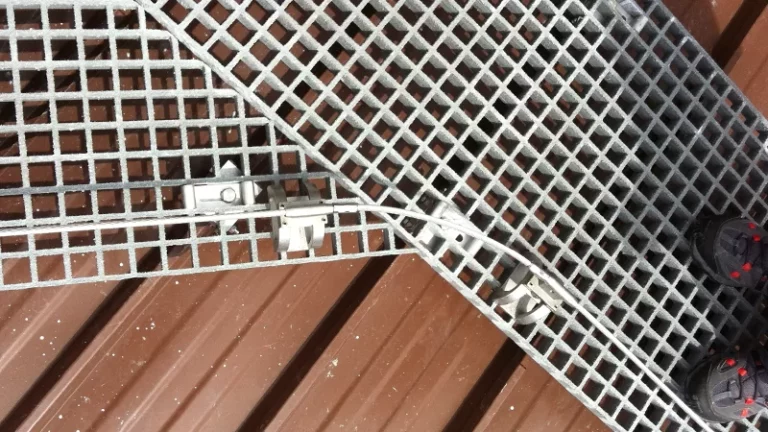
An aluminum walkway system is a purpose-designed access structure that creates a stable walking route across a roof, deck, platform, or other working area. Depending on the application, the system may include walkway panels, support components, fasteners, mounting brackets, connectors, and guardrails. Some systems are modular, allowing walkway sections to be arranged according to the dimensions and layout of the installation area. Commercial systems can be configured for different roof profiles and may use different fastening approaches depending on the surface. For example, some aluminum walkway solutions are designed for metal decks, standing-seam roofs, concrete surfaces, and other structures, with mounting options selected according to the application. The walking surface can also be designed to provide traction, which is particularly useful when workers operate in outdoor areas exposed to rain or moisture. A professional supplier should be able to explain how each component works together rather than treating the walkway as a simple collection of aluminum parts.
Why Choose Aluminum for Walkway Applications?
Aluminum is widely considered for walkway applications because it combines relatively low weight with useful strength and corrosion resistance. Its lightweight characteristics can simplify transportation, handling, and installation when compared with heavier structural materials. Corrosion resistance is also valuable in the Philippines because outdoor facilities can experience rain, humidity, salt-laden air, and other environmental exposure. Some aluminum walkway systems are specifically marketed as lightweight and non-corrosive solutions for rooftop access. Aluminum can also provide a clean appearance that works well with commercial and industrial buildings. Depending on the design, an aluminum walkway may use grated or textured surfaces to improve traction and allow water to pass through the walking area. However, aluminum should not be selected solely because it is lightweight, since the appropriate material, alloy, dimensions, supports, and load capacity still need to match the project’s requirements. Working with a knowledgeable aluminum walkway supplier Philippines can help buyers identify a configuration that balances material performance, installation requirements, and long-term facility needs.
Key Features to Look for From an Aluminum Walkway Supplier Philippines
One of the first features to evaluate is the walking surface because workers need reliable traction when moving through elevated or exposed areas. Anti-slip grating or textured surfaces can help reduce the likelihood of slipping, particularly where rainwater or other moisture may be present. Rooftop walkway products commonly use slip-resistant surfaces and are designed to create designated routes for personnel. The walkway should also have an appropriate load capacity based on the people, tools, equipment, and activities expected at the site. Another important feature is corrosion resistance, particularly for installations exposed to weather, coastal conditions, chemicals, or industrial processes. Buyers should also consider modular construction and customization because rooftop layouts can vary significantly from one building to another. Guardrails, handrails, toe boards, and compatible fall-protection components may also be appropriate depending on the location and risk assessment.
Where Aluminum Walkways Are Commonly Used in the Philippines
Aluminum walkways can be useful in a wide range of commercial, industrial, and facility-maintenance environments. On commercial rooftops, they can establish designated routes for workers who need to inspect air-conditioning equipment, drainage systems, electrical installations, or other building services. Industrial facilities may use access walkways around machinery, production equipment, storage areas, and utility systems where regular maintenance is necessary. Warehouses can also benefit from planned access routes around elevated equipment and building services. Solar installations are another important application because technicians may need predictable paths to reach panels, inverters, cables, and other components without unnecessarily walking across sensitive roof areas. Walkway systems can also be useful in environments where the roof surface is fragile, slippery, uneven, or not intended for unrestricted pedestrian traffic. A suitable system should always be selected according to the roof construction, expected use, structural conditions, and applicable safety requirements rather than simply copying an installation used elsewhere.
Aluminum Walkway Applications for Rooftop Maintenance
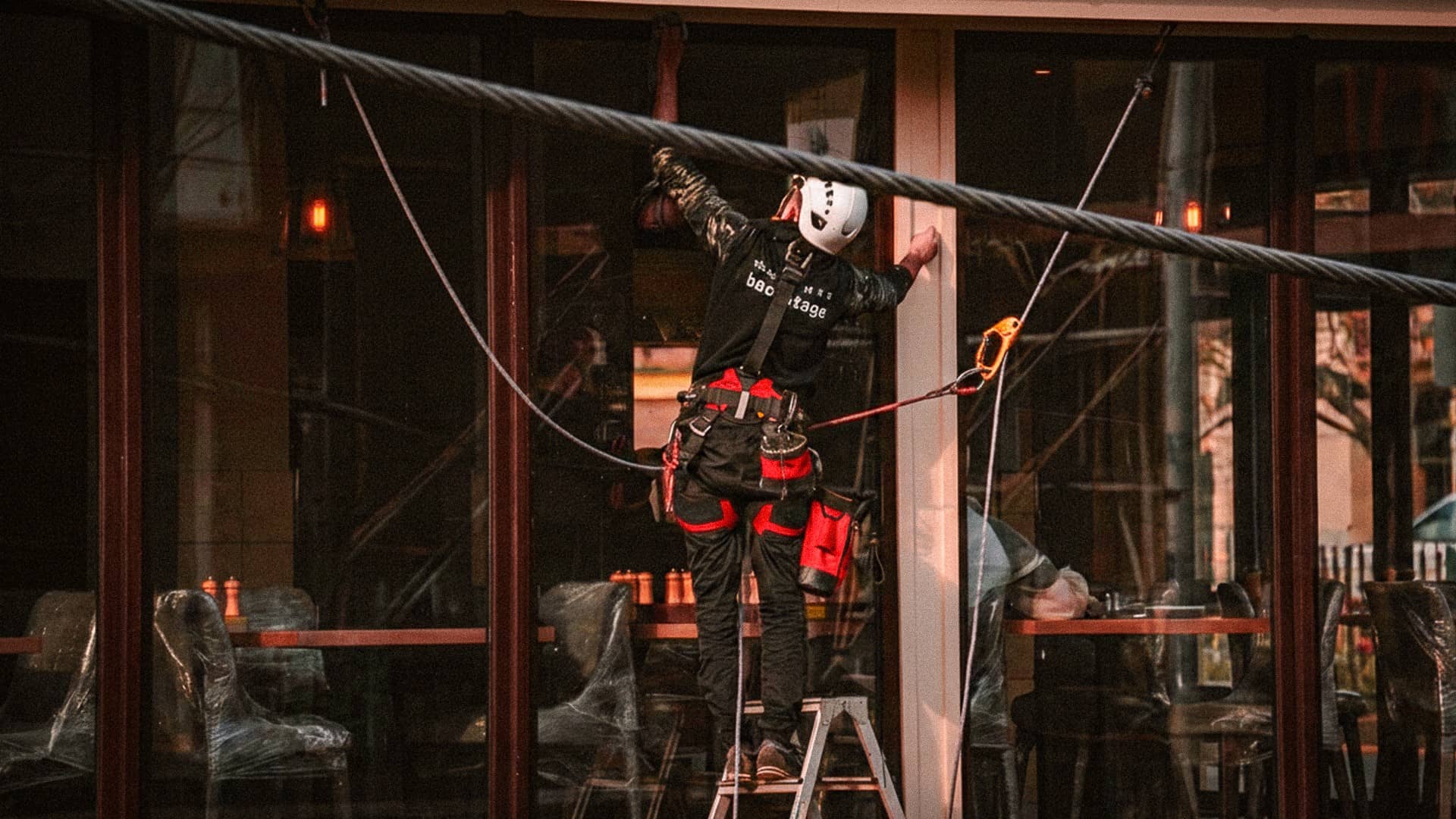
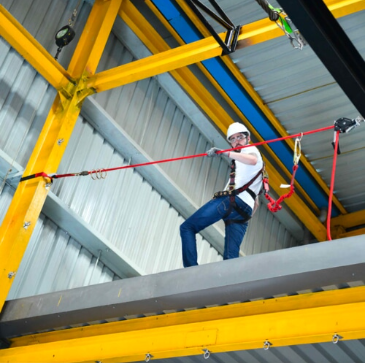
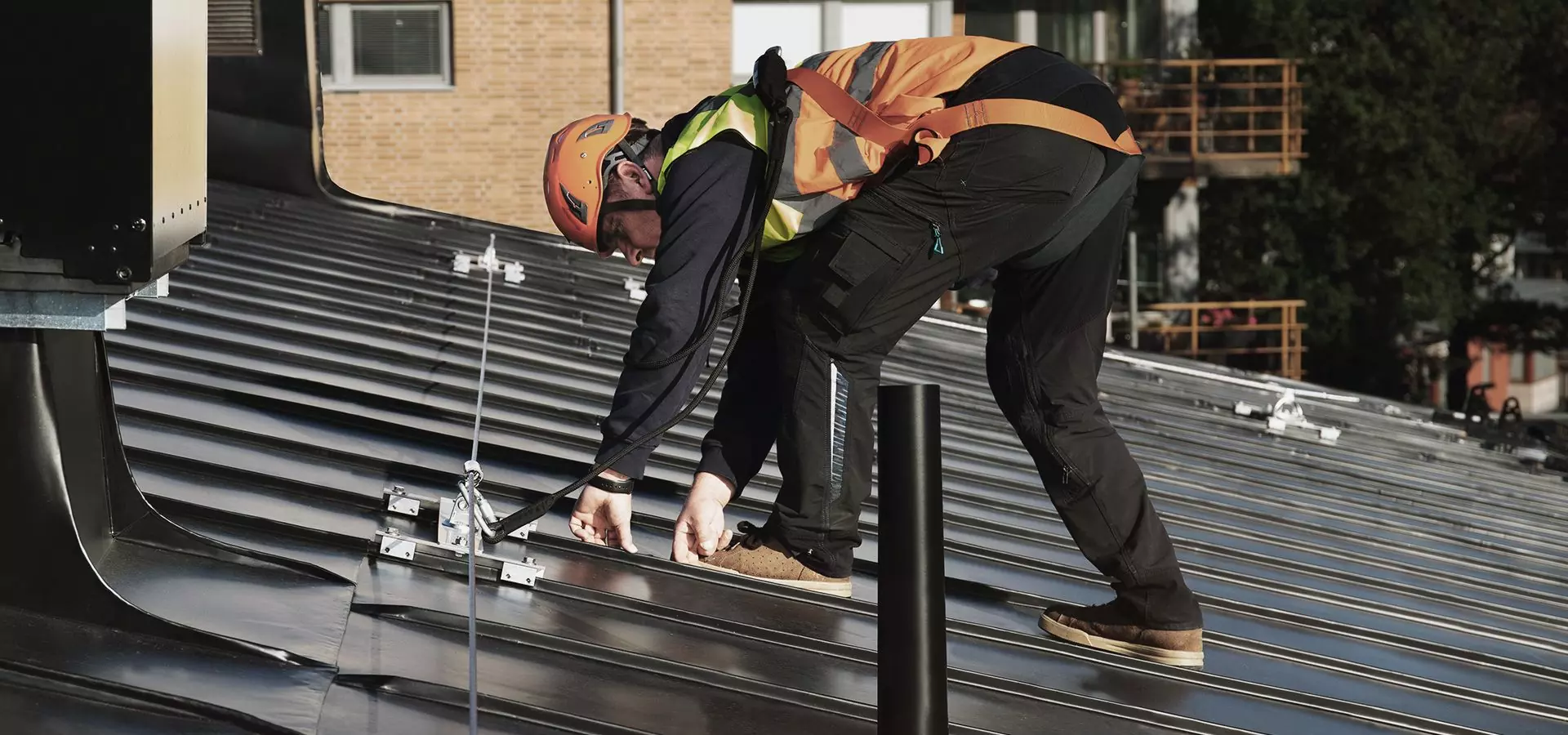
Rooftop maintenance can become more challenging when equipment is spread across a large roof or when workers need to cross areas that are not intended for regular foot traffic. A designated walkway provides a visible and predictable route between roof access points and maintenance locations. This can help workers avoid unnecessary movement across vulnerable surfaces and reduce confusion about where routine access should occur. Guidance for roof work commonly emphasizes establishing clear designated walkways and identifying fragile roof materials before work begins. Aluminum rooftop walkways can also be integrated with other access and fall-protection measures when the overall system is properly designed. Depending on the roof type, manufacturers may offer different mounting approaches, including systems designed for standing-seam, metal-profile, membrane, or other roof configurations. The walkway itself should not be viewed as a replacement for a complete fall-protection program, because edge protection, anchorage, personal protective equipment, training, and rescue planning may also be required depending on the work environment.
How to Choose the Right Aluminum Walkway Supplier Philippines
Choosing an aluminum walkway supplier Philippines requires careful evaluation of both the product and the supplier’s technical capabilities. Start by checking whether the supplier can provide clear information about material specifications, dimensions, load ratings, surface design, mounting systems, and available accessories. A supplier should also be able to discuss the type of roof or structure where the walkway will be installed and recommend a suitable configuration. Technical support is particularly valuable when the installation involves unusual roof profiles, large areas, slopes, fragile surfaces, or integration with other height-access equipment. Buyers should ask whether the supplier can provide drawings, specifications, installation instructions, or other documentation needed for project planning. It is also useful to evaluate whether the supplier can provide installation support or coordinate with qualified installation professionals. Rather than selecting a supplier solely because of the lowest quotation, consider product quality, engineering support, customization, delivery capability, after-sales assistance, and the supplier’s ability to understand the actual application.
Questions to Ask Before Ordering an Aluminum Walkway
Before purchasing an aluminum walkway, buyers should gather enough project information to make a meaningful comparison between suppliers. Ask what aluminum alloy or material specification is being used and whether documentation is available for the proposed product. Confirm the recommended load capacity and determine whether it is appropriate for the number of workers and tools expected on the walkway. Ask about the surface design and whether the system provides the level of traction required for the environment. It is also important to determine how the walkway will be attached to the existing structure and whether the proposed fixing method is compatible with the roof material. Buyers should ask whether guardrails, handrails, toe boards, brackets, fasteners, and other components are included or quoted separately. Finally, request information about lead times, delivery coverage, installation support, maintenance requirements, warranties, and technical documentation before placing the order.
Aluminum Walkway Supplier vs. Generic Metal Supplier
A generic metal supplier and a specialized walkway supplier may offer very different levels of support even if both can provide aluminum materials. A metal supplier may primarily focus on selling sheets, plates, profiles, or other raw materials according to dimensions and quantities. A specialized walkway supplier, on the other hand, can provide a system designed specifically for pedestrian access and maintenance applications. This distinction can be important because a walkway involves more than the material used for its walking surface. The system needs appropriate supports, fasteners, spacing, surface characteristics, and installation methods based on the application. Specialized suppliers may also be able to provide options for integrating walkways with guardrails and other height-access systems. A project that requires engineering information or a customized rooftop route may therefore benefit from dealing with a supplier that understands access systems rather than simply supplying aluminum stock.
Installation and Maintenance Considerations
Proper installation is essential to the performance of an aluminum walkway because even a high-quality product can become unsafe if it is incorrectly installed. Before installation begins, the existing roof or supporting structure should be evaluated to determine whether it can accommodate the proposed system and expected loads. The mounting method should be selected according to the roof type and manufacturer specifications rather than using improvised fasteners or supports. Some commercial walkway systems offer different fixing methods for metal roofs, standing-seam roofs, and membrane or built-up roof systems. After installation, the walkway should be inspected periodically for loose hardware, damaged components, deformation, excessive wear, or other visible problems. Surfaces should also be kept clear of debris, oil, unnecessary equipment, and other conditions that could affect safe foot traffic. Any structural modifications, repairs, or changes to the walkway should be evaluated by qualified personnel to ensure that the system continues to meet the requirements of the installation.
Getting the Best Value From an Aluminum Walkway Investment
The best value from an aluminum walkway does not necessarily come from choosing the cheapest product available. A properly planned system can reduce unnecessary installation changes and help create a more efficient route for maintenance personnel. Before requesting quotations, facility managers should gather accurate measurements, photographs, roof drawings, roof type, access points, equipment locations, and information about expected usage. These details allow suppliers to develop a more appropriate walkway configuration instead of making assumptions based on limited information. A properly designed walkway can also help protect vulnerable roof surfaces from repeated foot traffic while giving maintenance teams a defined route. Aluminum systems may provide additional value where lightweight construction and corrosion resistance are important considerations. By comparing technical suitability, durability, installation requirements, support services, and long-term maintenance needs, buyers can make a more informed purchasing decision.
FAQ: Aluminum Walkway Supplier Philippines
What is an aluminum walkway used for?
An aluminum walkway creates a designated pedestrian route across rooftops, industrial structures, decks, and other areas where regular access is necessary. It can be particularly useful for maintenance personnel who need to reach equipment without walking across every part of a roof. Walkways can also provide a more predictable route around rooftop obstacles, solar equipment, HVAC units, and service areas. The appropriate design depends on the surface, structure, intended use, and environmental conditions. A qualified supplier can help determine which configuration is suitable for a specific project.
Why choose an aluminum walkway instead of a steel walkway?
Aluminum is often considered because it provides a combination of lightweight construction and corrosion resistance. These characteristics can be useful for outdoor and rooftop applications where moisture and weather exposure are common. Steel may be more appropriate for certain heavy-duty structural applications, so the decision should depend on engineering requirements rather than material preference alone. Buyers should compare load requirements, environmental exposure, dimensions, installation conditions, maintenance requirements, and budget. A knowledgeable aluminum walkway supplier Philippines can help explain whether an aluminum system is appropriate for the intended application.
Can an aluminum walkway be customized?
Many walkway systems can be configured according to the dimensions and layout of a particular installation. Available options may include different lengths, widths, angles, mounting arrangements, and guardrail configurations. Some systems are designed to accommodate different roof types and slopes. Customization can be particularly useful when equipment, roof penetrations, skylights, or other obstacles affect the available route. Buyers should provide accurate site information so the supplier can recommend a suitable configuration.
Can aluminum walkways be installed on rooftops?
Yes, aluminum walkway systems are commonly designed for rooftop access and maintenance applications. However, the specific system and mounting method must be compatible with the roof construction and structural conditions. Some products are available for metal roofs, standing-seam roofs, membrane systems, and other surfaces. A site assessment and appropriate technical review should be completed before installation. The walkway should also form part of a broader rooftop safety plan when workers are exposed to fall hazards.
Are aluminum walkways slip-resistant?
Many aluminum walkway systems are available with anti-slip or slip-resistant surfaces designed to provide better traction. Grated walkway designs can also allow water to pass through rather than leaving a continuous wet surface. The actual traction performance depends on the product’s surface design and environmental conditions. Buyers should ask the supplier for specific product information rather than assuming every aluminum walkway has the same characteristics. Additional protective measures may be required depending on the location and fall exposure.
What should I provide when requesting a quotation?
Provide the supplier with the project location, roof or structure type, approximate walkway dimensions, desired route, photographs, drawings, access points, and information about expected use. It is also helpful to identify equipment that workers need to access and any areas that should be avoided. Tell the supplier whether guardrails, handrails, toe boards, or other safety accessories are required. Providing complete information can help reduce revisions and make the quotation more relevant to the actual project. For complex installations, a site assessment may be beneficial before final specifications are prepared.
How do I choose an aluminum walkway supplier in the Philippines?
Look for a supplier that can provide clear product specifications, appropriate mounting solutions, technical support, and reliable project assistance. Review the supplier’s experience with rooftop, industrial, commercial, or height-access applications. Ask for information about materials, load capacity, surface design, customization, installation, documentation, warranty coverage, and after-sales support. It is also important to determine whether the supplier understands the environmental and structural conditions of Philippine installations. A supplier that can evaluate the complete application is generally more valuable than one that only provides a basic material quotation.
Takeaway
Selecting an aluminum walkway supplier Philippines is an important decision for businesses that need reliable access across rooftops, industrial areas, commercial facilities, and other elevated environments. Aluminum can offer useful characteristics such as lightweight construction, corrosion resistance, and suitability for modular walkway systems. A properly designed walkway can establish a designated route for maintenance personnel while helping reduce unnecessary foot traffic across vulnerable surfaces. The right product should have an appropriate walking surface, load capacity, mounting system, dimensions, and accessories for the intended application. Buyers should also consider the supplier’s technical expertise, customization capabilities, installation assistance, documentation, and after-sales support. Most importantly, the walkway should be selected and installed as part of a properly planned access and workplace safety strategy rather than treated as an isolated product. By evaluating the entire system and working with a capable supplier, facility owners, contractors, engineers, and maintenance teams can make a more informed investment in dependable access infrastructure.