Understanding a Self-Retracting Lanyard
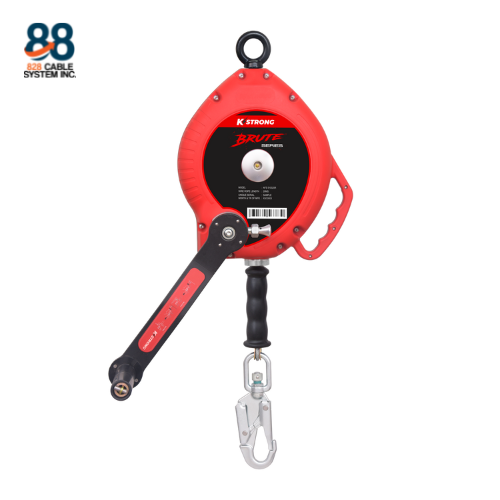
A self-retracting lanyard is a personal fall protection device designed to help protect workers who perform tasks at elevated locations. Unlike a traditional fixed-length lanyard, it automatically extends and retracts as the worker moves. This mechanism helps keep the lifeline relatively taut while allowing the user to move within the equipment’s approved working range. When a sudden fall or rapid movement occurs, the internal braking mechanism can activate to help arrest the fall. A self-retracting lanyard may be used as part of a broader personal fall arrest system when properly selected and connected. Workers should understand that the device is not intended to replace proper hazard assessment, safe work procedures, training, or an appropriate anchorage system. For companies looking for a self-retracting lanyard Philippines solution, choosing equipment based on the actual work environment and manufacturer specifications is essential.
How Self-Retracting Lanyards Work
The operating principle of a self-retracting lanyard is based on controlled extension, retraction, and rapid braking. Inside the housing, the lifeline is connected to a mechanism that allows it to move in and out as the worker changes position. During normal movement, the lifeline can extend when the worker moves away from the anchorage and retract when the worker moves closer. This reduces excess slack compared with many conventional fixed-length lanyards. If the lifeline experiences rapid acceleration associated with a fall, the braking mechanism is designed to engage and stop the lifeline within the equipment’s rated performance parameters. Energy-absorbing components may also help manage arrest forces depending on the particular SRL design. Because mechanisms and performance characteristics differ between products, workers should always understand the instructions and limitations associated with the specific model being used.
Why Self-Retracting Lanyards Matter for Work at Height in the Philippines
Work at height can be found across many industries in the Philippines, including construction, building maintenance, industrial operations, infrastructure projects, roofing, and facility management. Workers performing these tasks may need to move across elevated surfaces while maintaining an appropriate connection to a fall protection system. A self-retracting lanyard can provide mobility while reducing unnecessary lifeline slack in suitable applications. This can be particularly useful when workers need to perform tasks within a defined work area rather than remaining in one fixed position. However, mobility does not eliminate hazards such as unprotected edges, fragile surfaces, unsuitable anchorages, or swing falls. Employers should evaluate the work environment and determine what type of fall protection system is appropriate before assigning equipment to workers. A properly selected self-retracting lanyard Philippines solution can therefore be one component of a comprehensive approach to protecting workers at elevated locations.
Types of Self-Retracting Lanyards Available
Self-retracting lanyards are available in different configurations designed for different work environments and applications. Standard SRLs are commonly designed for general personal fall arrest applications where the worker operates within the manufacturer’s specified range. Some models feature compact housings that can be convenient for workers who need to move frequently around a jobsite. Longer SRLs may provide a larger working area, but their additional length can also affect clearance and other system considerations. Certain models are specifically designed for leading-edge applications where the lifeline may encounter an edge during a fall. These products should not be confused with standard SRLs that may not be rated for such conditions. Specialized or twin-leg configurations may also be available for particular applications, but users must follow the manufacturer’s instructions for connection and use.
Key Features to Look for in a Self-Retracting Lanyard Philippines
When selecting a self-retracting lanyard Philippines product, buyers should look beyond price and consider the equipment’s complete specifications. Lifeline material is important because different materials can have different characteristics relating to durability, flexibility, weight, and environmental resistance. The connector should also be compatible with the worker’s harness and the approved anchorage arrangement. A durable housing can help protect internal components from normal workplace exposure, although the equipment still requires appropriate care and inspection. Some models include energy-absorbing features designed to help manage forces during a fall arrest event. Swivel connections may help reduce twisting of the lifeline in certain applications, while fall indicators can provide useful visual information about whether the equipment may have experienced a significant event. Buyers should also review product markings, capacity ratings, certifications, instructions, and manufacturer documentation before purchasing life-safety equipment.
Choosing the Right Self-Retracting Lanyard for Different Work Environments
The correct SRL should be selected according to the specific hazards and requirements of the job rather than simply choosing the most expensive or longest model available. Workers may need different equipment depending on whether they are performing construction, maintenance, roofing, industrial, or infrastructure work. Important factors can include the worker’s movement, anchorage position, working height, potential fall distance, clearance below the work area, and the possibility of a swing fall. Environmental conditions should also be considered because equipment may be exposed to rain, dust, chemicals, heat, abrasive surfaces, or other workplace conditions. Leading-edge exposure deserves particular attention because not every self-retracting lanyard is designed or rated for this type of application. The combined weight of the worker, tools, clothing, and other equipment should also remain within the manufacturer’s specified capacity. When the application is uncertain, employers should obtain guidance from qualified safety professionals or the equipment manufacturer before putting the device into service.
Proper Use of a Self-Retracting Lanyard
Correct use begins with inspecting the self-retracting lanyard before each use and confirming that it appears to be in suitable condition. The worker should check the lifeline, housing, connectors, labels, stitching where applicable, and other visible components for signs of damage or abnormal wear. The SRL should be connected only to an appropriate anchorage or attachment point specified by the manufacturer. The worker’s end should be attached to the correct harness connection according to the equipment instructions. Workers should avoid creating unnecessary hazards by allowing the lifeline to become tangled, obstructed, or exposed to conditions outside its rated application. Fall clearance and swing-fall risks should be considered before the worker begins the task because equipment cannot prevent every possible injury scenario. Workers should also avoid modifying, disabling, repairing, or combining components in ways that are not approved by the manufacturer.
Inspection and Maintenance Guidelines
Regular inspection is a critical part of keeping fall protection equipment ready for use. Before starting work, the user should visually inspect the lifeline for cuts, broken fibers, fraying, abrasion, corrosion, contamination, or other signs of deterioration. Connectors should also be checked for deformation, cracks, malfunction, corrosion, and other visible defects. The housing should be examined for damage, while labels and markings should remain readable so the equipment can be correctly identified. Where applicable, the worker should verify that the lifeline retracts and locks according to the manufacturer’s inspection instructions. Equipment that has arrested a fall or shows signs of damage should be removed from service and handled according to the manufacturer’s procedures. Periodic inspections should also be performed at the intervals and by the personnel specified by the manufacturer or workplace safety program.
Common Mistakes to Avoid When Using an SRL
One common mistake is selecting an SRL without first evaluating the conditions where it will be used. Another is connecting the equipment to an anchorage that has not been approved or evaluated for the intended fall protection application. Workers may also underestimate the importance of fall clearance and assume that a short stopping distance automatically means there is no remaining hazard. Using a standard SRL near an edge without confirming that it is designed for the application can create serious risks. Continuing to use equipment after a fall, visible damage, or a suspected malfunction is another practice that should be avoided. Workers should never alter equipment, substitute components, or combine products in a configuration that has not been approved by the manufacturer. Proper training, inspection, equipment selection, and supervision can help reduce these common errors on Philippine worksites.
Self-Retracting Lanyard vs. Traditional Shock-Absorbing Lanyard
Self-retracting lanyards and traditional shock-absorbing lanyards can both be used in fall protection systems, but their operating characteristics are different. A traditional lanyard generally has a predetermined length, while an SRL automatically adjusts its lifeline length as the worker moves. This can give an SRL greater flexibility for certain tasks where the worker needs to move within a defined area. A traditional lanyard may be appropriate for applications where its fixed length provides adequate movement and fall clearance. The best option depends on factors such as the work area, anchorage position, required mobility, potential fall distance, and equipment specifications. Neither option should be selected solely because it appears more convenient or versatile. Employers should evaluate the specific task and use equipment that is appropriately rated and compatible with the complete fall protection system.
Safety Practices for Buying a Self-Retracting Lanyard in the Philippines
Businesses purchasing a self-retracting lanyard Philippines product should work with reputable suppliers that can provide clear product information and manufacturer documentation. Authenticity is particularly important because fall protection equipment is life-safety equipment and should be traceable to a legitimate manufacturer or authorized supply channel where applicable. Buyers should review the equipment’s capacity, lifeline length, application rating, connector type, standards, certifications, and environmental limitations before placing an order. Product instructions should also be available so workers and safety personnel can understand proper use and inspection requirements. Purchasing decisions should consider technical support, product availability, inspection guidance, and replacement options in addition to the initial price. An unusually low price should not automatically be treated as a good deal if documentation, authenticity, or technical support cannot be verified. A responsible purchasing process helps ensure that the selected equipment actually matches the fall protection needs of the workplace.
Training Workers to Use Self-Retracting Lanyards Correctly
Even high-quality fall protection equipment requires properly trained users. Workers should receive instruction on how to inspect, connect, position, operate, and store the particular SRL they are assigned. Training should explain the limitations of the equipment and the types of hazards it is designed to address. Workers should also learn how anchorage location can influence fall clearance and swing-fall exposure. Practical instruction can help employees become familiar with checking connectors, lifeline condition, retraction, locking functions, and other relevant features. Refresher training may be appropriate when equipment, work procedures, workplace hazards, or job responsibilities change. Supervisors and safety personnel should reinforce proper practices and address unsafe equipment use as soon as it is identified.
Emergency and Rescue Planning
A fall protection system should be supported by an appropriate rescue plan before work at height begins. Employers should consider how an employee would be reached if a fall occurred and the worker remained suspended or otherwise unable to return to a safe surface. Rescue procedures should identify appropriate equipment, trained personnel, communication methods, access routes, and emergency contacts. The plan should be realistic for the actual worksite rather than relying entirely on outside emergency responders. Workers should understand what they are expected to do during an emergency without creating additional risks to themselves or others. Rescue equipment and procedures should be reviewed periodically and adjusted when worksite conditions change. Effective planning helps organizations prepare for situations in which preventing a fall is not enough and a rapid, controlled response is required.
FAQ About Self-Retracting Lanyard Philippines
What is a self-retracting lanyard?
A self-retracting lanyard is a fall protection device with a lifeline that automatically extends and retracts as the worker moves. Its internal mechanism is designed to provide controlled movement within the manufacturer’s approved operating range. When a sudden fall occurs, the braking system can engage to arrest the fall. SRLs are generally used as part of a compatible personal fall protection system. The device must be connected to an appropriate anchorage and worker attachment point. Different SRLs can have different ratings and applications. Workers should always follow the instructions supplied with their specific equipment.
When should a worker use a self-retracting lanyard?
A worker may use an SRL when the equipment is appropriate for the identified fall hazard and the specific work application. The selection should consider working height, movement requirements, anchorage position, fall clearance, and environmental conditions. The equipment must also be suitable for the worker’s weight and the intended configuration. Certain applications, such as leading-edge work, may require an SRL specifically designed and rated for that condition. Workers should not assume that every SRL can be used in every elevated work environment. Employers should complete the appropriate hazard assessment before assigning equipment. Manufacturer requirements should always be followed.
Is a self-retracting lanyard better than a standard lanyard?
Neither type is automatically better for every work situation. An SRL can provide controlled lifeline movement and may reduce excess slack during suitable applications. A traditional shock-absorbing lanyard can also be effective when its length and configuration are appropriate for the task. The decision should consider mobility, anchorage, fall clearance, work positioning, and environmental exposure. Equipment must be compatible with the complete fall protection system. Workers should also receive training specific to the equipment they use. Proper selection is more important than simply choosing one type over another.
How often should a self-retracting lanyard be inspected?
The user should inspect the equipment before each use according to the manufacturer’s instructions. The inspection should look for damage, excessive wear, contamination, defective connectors, damaged lifelines, and other visible problems. Periodic inspections should also be completed according to manufacturer requirements and workplace safety procedures. Equipment that has arrested a fall should be removed from service and evaluated according to the manufacturer’s instructions. Any equipment showing questionable performance should not be returned to service without appropriate evaluation. Inspection records may also be maintained as part of an organization’s fall protection program. Workers should be trained to recognize conditions that require equipment to be removed from service.
Can an SRL be used after a fall?
Equipment involved in a fall should generally be removed from service immediately. A fall can place forces on internal and external components that may not be visible through a basic visual inspection. The equipment should be handled according to the manufacturer’s post-fall inspection and service requirements. Workers should never assume that an SRL remains safe simply because there is no obvious external damage. Only authorized or qualified personnel following the manufacturer’s procedures should determine whether equipment can return to service. Replacement may be necessary when the equipment has been compromised. Maintaining a strict post-fall procedure helps prevent damaged life-safety equipment from being reused.
How do I choose the right self-retracting lanyard in the Philippines?
Start by identifying the actual work-at-height hazards and the movements workers need to perform. Review the required lifeline length, worker capacity, anchorage arrangement, fall clearance, and potential swing-fall conditions. Consider whether the work involves edges or environmental conditions that require a specialized SRL. Check the manufacturer’s ratings, instructions, certifications, connectors, and intended applications. Select equipment that is compatible with the worker’s full body harness and anchorage system. Buying from a reputable supplier can also help provide access to authentic products and technical information. When requirements are unclear, seek guidance from a qualified fall protection professional or the manufacturer.
Where can businesses buy a self-retracting lanyard in the Philippines?
Businesses should look for reputable fall protection equipment suppliers that can provide genuine products and appropriate documentation. Buyers should verify product specifications, capacity ratings, intended applications, certifications, and manufacturer instructions before purchasing. Supplier experience and technical support can also be valuable when organizations have specialized work-at-height requirements. Companies should avoid choosing equipment based solely on the lowest available price. The supplier should be able to provide sufficient information for safety personnel to determine whether the equipment matches the intended application. Businesses should also consider inspection support, replacement availability, and training resources. A careful purchasing process can help organizations select fall protection equipment that is appropriate for their workers and work environment.
Takeaway
Choosing the right self-retracting lanyard Philippines solution requires more than simply purchasing a device and attaching it to a harness. Employers should evaluate the worksite, identify fall hazards, select compatible equipment, and ensure workers understand how to use it correctly. Pre-use inspections and periodic inspections are essential for identifying damage and maintaining equipment readiness. Anchorage selection, fall clearance, swing-fall exposure, environmental conditions, and equipment capacity should all be considered before work begins. Workers should receive practical training on inspection, connection, movement, equipment limitations, and emergency procedures. Any SRL involved in a fall or showing signs of damage should be removed from service and handled according to manufacturer requirements. When equipment selection, training, inspection, and rescue planning work together, organizations can build a more effective approach to protecting people who perform work at height.