Working at height requires more than basic personal protective equipment. Workers need reliable systems that can help limit the consequences of a fall while allowing them to move around their work area safely. A Self Retracting Lanyard Singapore solution can provide controlled movement while helping reduce unnecessary lifeline slack during elevated work. These devices are commonly considered for construction, maintenance, industrial, facility management and other activities where workers operate above ground level. Selecting the correct equipment requires careful attention to the work environment, anchorage arrangement, fall clearance, user requirements and manufacturer instructions. A retractable lanyard should also form part of a properly planned fall protection system rather than being treated as an isolated piece of equipment. Understanding how these devices work makes it easier for employers, supervisors and workers to select and use appropriate height safety equipment.
Understanding a Self Retracting Lanyard
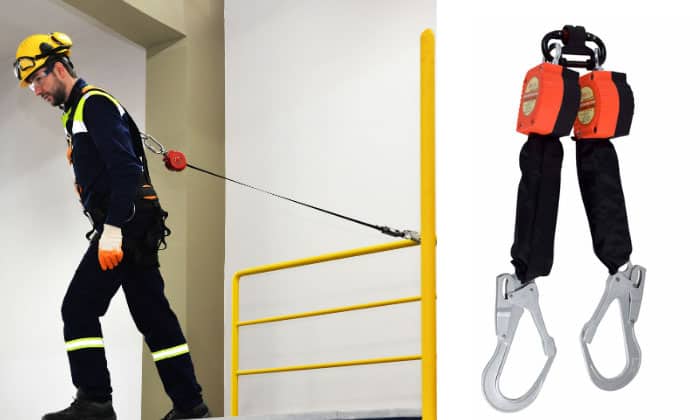
A self retracting lanyard is a fall protection device designed to provide a lifeline that extends and retracts as the worker moves. The lifeline is stored inside a housing and is normally kept under controlled tension while connected to an appropriate anchorage point. When the worker moves away from the anchor, the line extends to provide greater freedom of movement. When the worker moves closer to the anchor, the lifeline retracts back into the housing. If a sudden fall occurs, the internal mechanism can activate to stop or limit the worker’s fall according to the device’s design and specifications. This makes a self retracting lifeline different from a conventional fixed-length lanyard, which generally has a predetermined length and may create more slack during movement. The device is normally connected between a suitable anchorage point and a compatible full body harness as part of a personal fall arrest system.
A typical unit may contain a housing, retractable lifeline, braking mechanism, energy absorption components, connectors and swivel components. Different models may use webbing or cable as the lifeline depending on the intended application. Users should always check the manufacturer’s instructions before operating the equipment because construction, operating limits and connection requirements can differ between products. The equipment should also be selected according to the specific work environment rather than simply choosing a model based on its appearance or price.
How a Self Retracting Lanyard Works
The basic operating principle of a retractable lanyard is relatively straightforward. The lifeline extends when the worker moves away from the anchorage point, allowing movement across the permitted work area. A controlled retraction mechanism keeps the line from becoming excessively loose during normal movement. When the worker moves back towards the anchorage point, the line is drawn back into its housing. During a sudden acceleration associated with a fall, the braking system is designed to engage according to the manufacturer’s specifications. The device then helps arrest the fall while managing the forces generated during the stopping process. Depending on the model, an energy-absorbing component may be incorporated to help reduce arrest forces. These functions allow the equipment to provide mobility while supporting the objectives of a fall arrest system.
The effectiveness of the equipment depends heavily on correct installation and use. A retractable device connected to an unsuitable anchor may not provide the intended level of protection. The worker must also remain within the permitted operating area and avoid situations that could create excessive swing-fall exposure. The equipment should never be modified, repaired or connected to components that the manufacturer does not approve. Regular inspection is also necessary to identify wear, contamination or damage before the equipment is used.
Why Self Retracting Lanyards Matter for Work at Height
Falls from height can result from slips, loss of balance, unstable surfaces, unexpected movement or equipment failure. Even a relatively short fall can create serious consequences when the worker strikes a structure or lower surface. A conventional lanyard may create additional slack depending on how the worker moves around the anchorage point. Excessive slack can contribute to a greater potential fall distance, making proper equipment selection especially important. A self retracting lifeline is designed to maintain controlled line tension while the worker moves within the permitted area. This can support greater mobility while reducing unnecessary slack during ordinary movement. The system can be particularly useful where workers need to move frequently while remaining connected to an appropriate anchorage point.
Fall protection equipment should always be selected as part of a wider workplace safety strategy. Employers need to consider the work task, anchorage arrangement, potential fall path, clearance requirements and rescue arrangements. Workers should receive appropriate training before using the equipment. A suitable full body harness must also be compatible with the selected system. When these elements are properly planned together, a retractable system can become an important component of work at height safety.
Common Applications for Self Retracting Lanyards in Singapore
A Self Retracting Lanyard Singapore solution can be considered for various elevated work environments. Construction workers may use fall arrest equipment when carrying out activities around elevated structures, platforms or building components. Building maintenance teams may require retractable systems when accessing rooftops or other elevated areas for inspection and repairs. Industrial facilities may also need height safety equipment for maintenance tasks around machinery, platforms and elevated workstations. Warehouses can have elevated areas where maintenance personnel need to move around while remaining connected to a suitable anchor. Facility management teams may use retractable equipment during certain inspection and maintenance activities where a compatible anchorage system is available.
The suitability of a particular device depends on the actual workplace conditions. A model that works well for one environment may not be appropriate for another because of differences in height, movement, anchorage position or environmental exposure. Workers may also encounter sharp edges, heat, moisture, dust or chemicals that could affect equipment selection. Employers should therefore assess the work area before purchasing a retractable lanyard. The equipment should be used only within the conditions specified by the manufacturer.
Self Retracting Lanyard Types to Consider
Self retracting devices are available in several configurations to suit different work requirements. Compact personal devices are often designed to provide mobility while keeping equipment weight manageable for individual workers. Webbing models use a flexible synthetic lifeline and can be suitable for applications where portability and flexibility are important. Cable self retracting lanyards use a cable lifeline and may be selected for demanding industrial environments where the equipment specification supports such conditions. Short-length devices can be useful where workers operate close to the anchorage point and do not need extensive travel distance. Longer devices may provide greater working range, but they require careful consideration of fall clearance and operating conditions.
The housing material and connector design can also vary between products. Some units may include swivel connections that help reduce twisting during movement. Different hooks and connectors may be designed for specific anchorage arrangements. The selected equipment should always match the user’s requirements, work environment and approved connection method. Rather than choosing the most expensive or longest model available, employers should identify the configuration that best fits the task.
Key Features to Look for When Choosing a Self Retracting Lanyard Singapore
Choosing a Self Retracting Lanyard Singapore product requires more than checking the length of the lifeline. The lifeline material should be appropriate for the intended work environment and operating conditions. Users should check the manufacturer’s specified capacity and ensure that the device is suitable for the intended worker and equipment configuration. Connector types are also important because incompatible connections can create serious safety risks. A swivel mechanism may be useful for certain applications where the worker needs to change direction frequently. The braking mechanism and energy absorption system should be clearly documented by the manufacturer.
Product markings and identification information should also be checked before purchase. Buyers should look for appropriate certification and testing information relevant to the product and its intended application. The housing should be strong enough for the specified working conditions, while the device should remain practical for workers to carry and operate. Inspection indicators, where provided, can also assist with equipment checks. Buyers should obtain technical documentation and manufacturer instructions before putting the equipment into service.
Selecting the Correct Lifeline Length
Lifeline length has a direct relationship with how far a worker can move from the anchorage point. A short retractable lanyard may be appropriate for work close to an anchor where extensive movement is not required. A longer device may provide a wider working area but can introduce additional considerations for fall clearance. Workers should never assume that a longer lifeline automatically provides better protection. The required clearance depends on factors such as anchorage position, worker height, equipment design, fall dynamics and the distance to the nearest lower level or obstruction. Manufacturer guidance should be checked carefully when determining whether a particular device is suitable.
The work area should be assessed before selecting the lifeline length. Employers should identify the maximum permitted movement and consider potential obstacles around the worker. The anchorage point should also be positioned in a way that supports the intended movement pattern. If workers need to move horizontally, the potential for swing falls must be considered. Proper planning can help reduce the risk of selecting equipment that does not match the actual work area.
Anchorage Considerations for Self Retracting Lanyards
The anchorage point is one of the most important parts of any fall arrest system. A high-quality retractable lanyard cannot compensate for an unsuitable or inadequately designed anchorage point. Anchorage systems need to be appropriate for the intended application and capable of supporting the loads specified by the applicable requirements and equipment design. Overhead anchorage can be advantageous for some applications because it may help reduce swing-fall exposure. However, the correct position depends on the specific task and work area.
Workers should avoid connecting to structures that have not been assessed for fall protection use. Temporary or improvised attachment points can create significant hazards. The connector must also be compatible with the anchor and the harness. Where an engineered fall arrest anchor point is required, the system should be assessed by an appropriately competent person. Anchorage location should always be considered together with the worker’s movement pattern and required fall clearance.
Understanding Fall Clearance and Swing-Fall Risks
Fall clearance refers to the amount of unobstructed space required below the worker to allow the fall protection system to function as intended. The necessary distance can vary depending on the type of equipment, anchorage arrangement and manufacturer’s specifications. Workers need to consider their height, the equipment’s stopping distance and the distance between their working position and lower surfaces. Nearby beams, platforms, machinery and other structures can create additional hazards if a fall occurs. Simply having a retractable device does not mean that adequate clearance is automatically available.
Swing-fall risk is another important consideration. If a worker moves horizontally away from an anchorage point and then falls, the worker may swing towards a structure rather than travelling directly downwards. This can result in impact with walls, beams, platforms or other obstacles. Keeping the anchorage point as close as reasonably possible to the work area may help reduce certain swing-fall risks. Workers should follow the manufacturer’s instructions and site-specific risk assessment when planning their movement area.
Safety Standards and Compliance Considerations in Singapore
Businesses sourcing fall protection equipment in Singapore should pay close attention to applicable workplace safety requirements. Equipment should have appropriate manufacturer documentation, identification markings and relevant certification or testing information. Buyers should understand which standards apply to the specific product rather than assuming that every retractable device meets the same requirements. Product documentation should clearly identify its intended use and operating limitations. Employers should also maintain records relating to inspection, training and equipment management where required by their workplace procedures.
Compliance should not be viewed simply as a purchasing requirement. Workers need to understand how the equipment is intended to function and what limitations apply. Supervisors should ensure that equipment is used according to established procedures. Inspection and maintenance programmes should also be implemented. A properly managed fall protection system combines suitable equipment with competent selection, training, inspection, anchorage planning and emergency arrangements.
Inspecting a Self Retracting Lanyard Before Use
A pre-use inspection should be carried out before the equipment is connected to a worker. The lifeline should be checked for cuts, fraying, abrasion, broken fibres, corrosion or other visible damage. Webbing should be inspected carefully because small areas of damage can affect its condition. Cable devices should be checked for corrosion, deformation, kinks or broken strands. Hooks and connectors should also be examined for damage, deformation or improper operation. The housing should be inspected for cracks, excessive wear or other visible defects.
The retracting mechanism should be checked according to the manufacturer’s instructions. Users should also check that product labels and identification markings remain readable. Equipment that has experienced a fall should be removed from service unless the manufacturer and an appropriately competent inspection process determine that it can safely return to service. Equipment with an unknown history should not simply be put back into use. Proper inspection helps identify problems before they become more serious workplace hazards.
Proper Maintenance and Storage
Maintenance requirements depend on the type of self retracting device and the manufacturer’s recommendations. Equipment should be cleaned using methods that are suitable for the materials and components involved. Harsh chemicals, solvents or unsuitable cleaning agents may damage webbing, coatings or mechanical components. After exposure to moisture, equipment should be dried appropriately before storage. Devices should generally be kept away from excessive heat, direct sunlight, corrosive substances and sharp objects.
Storage conditions can influence the service life of fall protection equipment. Equipment should not be stored where heavy objects can crush the housing or where contaminants can accumulate on the lifeline. Regular inspections should be carried out at intervals specified by the manufacturer or workplace procedures. If a device develops an operational problem, it should be removed from service and assessed appropriately. Workers should never attempt unauthorised repairs or modifications.
Training Workers to Use a Self Retracting Lanyard Correctly
Providing fall protection equipment without training can leave workers unsure about how to use it correctly. Training should explain the purpose of the self retracting lanyard and its role within the overall fall arrest system. Workers should learn how to inspect the equipment before use and identify common signs of damage. They should understand how to connect the device to the approved anchorage and full body harness. Training should also cover movement limitations, swing-fall hazards and fall clearance.
Workers need to understand that equipment must not be modified or connected to incompatible components. They should know what to do if the equipment shows signs of damage. Emergency procedures should also form part of work at height training. Where a fall occurs, prompt rescue planning can be essential because a suspended worker may be exposed to additional hazards. Practical training and supervision can help ensure that workers understand both the capabilities and limitations of the equipment.
Common Mistakes When Using a Self Retracting Lanyard
One common mistake is connecting the device to an anchorage point that has not been assessed for fall protection. Another problem is ignoring the required fall clearance beneath the worker. Some workers may also move too far sideways from the anchorage point without considering swing-fall exposure. Using damaged equipment is another serious mistake that can compromise the performance of the system. Workers may also fail to inspect the device because they assume that a new-looking product is automatically safe.
Improper connections can create additional hazards. Using components that are not compatible with the manufacturer’s specifications should be avoided. Equipment should never be altered to fit a particular task unless the manufacturer specifically permits the modification. Workers should also avoid relying on a retractable lanyard as a substitute for proper risk assessment. Correct equipment selection, training, inspection, anchorage and rescue planning all remain essential.
Self Retracting Lanyard vs Traditional Shock-Absorbing Lanyard
A self retracting lanyard and a conventional shock-absorbing lanyard can both form part of a fall arrest system, but their operating characteristics differ. A traditional shock-absorbing lanyard normally has a fixed length and includes an energy absorber designed to reduce arrest forces during a fall. A retractable system allows its lifeline to extend and retract as the worker moves. This can reduce the amount of loose lifeline during ordinary movement. The difference can make retractable equipment attractive for work areas where workers need greater mobility.
Neither option is automatically suitable for every application. A conventional lanyard may be appropriate where the work area and anchor arrangement allow the required clearance. A self retracting lifeline may be more suitable where controlled movement and reduced slack are important. The decision should be based on the actual task, anchorage position, fall clearance, environmental conditions and manufacturer’s specifications. Workers should not select equipment solely because one product appears more convenient.
How to Choose a Reliable Self Retracting Lanyard Supplier in Singapore
Choosing a dependable supplier is an important part of sourcing fall protection equipment. A reliable supplier should provide clear product information, technical specifications and manufacturer documentation. Buyers should be able to identify the product model, operating limitations and relevant certification information. Suppliers that offer technical guidance can also help customers identify equipment that matches their specific work requirements. Product authenticity and traceability are important considerations when purchasing safety equipment.
Businesses should also consider after-sales support. Inspection guidance, replacement options and technical assistance can make equipment management easier over its service life. Procurement teams should compare suppliers based on product suitability, documentation and support rather than price alone. A lower purchase price does not necessarily represent better value if the equipment is unsuitable for the work environment. Careful supplier selection can support a more consistent approach to workplace fall protection.
Building a Complete Fall Protection System
A self retracting lanyard should be considered one component of a complete fall protection arrangement. Other components may include a full body harness, suitable connectors, anchorage systems and rescue equipment. Each component needs to be compatible with the others. The worker’s movement area should be assessed to identify potential fall and swing-fall hazards. Fall clearance should also be checked before work begins.
Employers should develop procedures covering equipment inspection, training, use and emergency response. Workers should understand how the system works before entering the elevated work area. Rescue arrangements are particularly important because a worker may require assistance after a fall. A complete system therefore involves more than purchasing a safety lanyard. It requires proper planning, equipment selection, worker competence and ongoing equipment management.
Practical Buying Checklist for Self Retracting Lanyard Singapore
When purchasing a Self Retracting Lanyard Singapore solution, start by identifying the exact work application. Determine whether workers need a webbing or cable lifeline and establish the appropriate length. Check the required user capacity and ensure that the equipment is compatible with the full body harness. Confirm the type and position of the anchorage point. Calculate the required fall clearance based on the equipment and workplace configuration.
Buyers should also review product standards, certification and manufacturer documentation. Inspection and maintenance requirements should be understood before the equipment is placed into service. Supplier support should also be considered, particularly for businesses managing multiple workers and work sites. A practical purchasing decision should focus on suitability, compatibility, documentation, training and long-term equipment management.
Making the Right Choice for Different Work Environments
Different workplaces create different fall protection requirements. Construction sites may involve changing work areas, temporary structures and multiple anchorage locations. Industrial facilities may expose equipment to dust, heat, moisture or chemicals. Building maintenance may require workers to move around rooftops or elevated platforms. Warehouses may have restricted spaces and specific access routes that influence anchorage selection.
Environmental conditions should therefore be considered before choosing equipment. Sharp edges may affect the suitability of certain lifelines, while corrosive environments may require equipment specifically designed for those conditions. Workers may also need different levels of mobility depending on the task. A proper assessment can help identify the most appropriate height safety equipment. Matching the equipment to the actual work environment can support safer and more effective work at height practices.
Case Study: Selecting a Retractable System for Building Maintenance
Consider a building maintenance team that needs to perform regular inspection and repair work around an elevated rooftop area. The workers need to move between several designated work points while remaining connected to an approved anchorage system. A conventional fixed-length lanyard could restrict movement and create additional slack as workers change position. The company therefore assesses whether a retractable system is suitable for the planned work area. The safety team reviews the available anchorage locations, required clearance, worker movement and environmental conditions before selecting the equipment.
The team chooses a suitable retractable device based on the manufacturer’s specifications and the assessed work environment. Workers are trained to inspect the equipment before each use and connect it only to the approved anchorage points. Supervisors also establish procedures for managing movement and avoiding excessive lateral distance from the anchor. Rescue arrangements are reviewed before the maintenance work begins. The example demonstrates why equipment selection should be based on the complete work system rather than the lanyard alone.
What Workers Should Know Before Using a Retractable Lanyard
Workers should understand the purpose and limitations of the equipment before using it. They should know the approved anchorage point and understand how their movement can affect fall clearance. They should inspect the lifeline, housing, connectors and other visible components before each use. Any signs of damage should be reported immediately. Workers should also understand that a retractable system does not make unsafe movement acceptable.
Training should cover connection procedures and prohibited practices. Workers should avoid passing the lifeline around structures unless the manufacturer specifically permits the arrangement. They should also remain aware of sharp edges, obstructions and potential swing-fall areas. Understanding these factors can help workers use the equipment as part of a planned fall protection system.
Testimonial: The Value of Better Fall Protection Planning
A maintenance supervisor responsible for a team working at elevated locations may find that retractable equipment provides a more practical working arrangement than fixed-length equipment for certain tasks. The supervisor may particularly value the controlled lifeline movement because workers can move within the approved area without carrying excess slack. Proper equipment selection can also make pre-use checks easier when workers are trained to follow a consistent inspection procedure. From a management perspective, having documented equipment specifications can support better procurement decisions. Clear training procedures can help workers understand the limitations of their equipment before beginning work. Regular inspection can also provide an opportunity to identify equipment issues early. Most importantly, the experience reinforces that effective fall protection depends on planning, training, compatible equipment and responsible use rather than relying on one device alone.
Frequently Asked Questions About Self Retracting Lanyards
What is a self retracting lanyard used for?
A self retracting lanyard is used as part of a personal fall arrest system for suitable work at height applications. It allows the lifeline to extend and retract as the worker moves. The braking mechanism is designed to respond to sudden movement associated with a fall according to the manufacturer’s specifications. It should be connected to a suitable anchorage and compatible full body harness. The equipment must be selected according to the work environment and applicable requirements. Workers should receive appropriate training before using it. Regular inspection is also necessary to identify damage or wear.
Is a self retracting lanyard better than a standard lanyard?
Neither product is automatically better for every work situation. A retractable lanyard can provide controlled lifeline movement and may reduce unnecessary slack during normal movement. A standard shock-absorbing lanyard may be suitable for certain work areas where the required clearance and movement arrangement can be maintained. The choice depends on the task, anchorage location, fall clearance and equipment specifications. Employers should assess the work area before choosing between the systems. Manufacturer instructions should guide the final selection. Compatibility with the rest of the fall protection system is also essential.
Can a self retracting lanyard be used with any harness?
A retractable device should only be used with a compatible harness and connection arrangement specified by the manufacturer. The harness should be suitable for the intended fall protection application. Users should check connector compatibility before connecting the equipment. Improvised connections should be avoided. The equipment instructions should identify approved connection methods. Employers should also ensure that workers receive training on correct attachment. Compatibility should be confirmed before the equipment is placed into service.
How often should a self retracting lanyard be inspected?
A pre-use inspection should normally be performed before the equipment is used. More detailed periodic inspections may also be required according to the manufacturer’s instructions, workplace procedures and applicable requirements. The inspection should examine the lifeline, housing, connectors, labels and operating mechanism. Equipment that shows signs of damage should be removed from service. A device involved in a fall should also be managed according to the manufacturer’s requirements. Inspection records may be maintained where required by the workplace’s equipment management procedures. Workers should never ignore visible damage or unusual equipment behaviour.
What should I check before buying a Self Retracting Lanyard Singapore?
Buyers should first identify the work application and required operating range. They should check the lifeline type, length, capacity, connector configuration and anchorage requirements. Fall clearance and potential swing-fall hazards should also be assessed. Product certification, testing information and manufacturer documentation should be reviewed. Buyers should verify that the equipment is compatible with the intended harness and anchorage system. Supplier technical support can also be useful when selecting equipment for complex work environments. Price should be considered alongside suitability, quality, documentation and ongoing support.
Can a retractable lanyard eliminate fall risks?
No fall protection device can eliminate every workplace hazard. A retractable system is designed to form part of a fall protection arrangement and must be used correctly. Workers can still be exposed to swing falls, insufficient clearance, unsuitable anchorage or environmental hazards. Proper risk assessment remains necessary before work begins. Training, inspection and rescue planning are also important. The equipment should always be used within its manufacturer’s specified conditions. Effective fall protection therefore depends on the complete system rather than one piece of equipment.
Choosing the Right Self Retracting Lanyard Singapore Solution
Selecting the right Self Retracting Lanyard Singapore equipment requires careful consideration of the task, workplace, anchorage system and worker requirements. The best choice is not necessarily the longest, most expensive or most advanced device available. It is the equipment that is properly suited to the conditions in which it will be used. Buyers should evaluate lifeline construction, length, capacity, connectors, fall clearance and environmental exposure before purchasing. Employers should also ensure that workers receive appropriate training and understand the equipment’s limitations.
A complete fall protection system should combine suitable personal protective equipment with reliable anchorage, proper inspection, maintenance and rescue planning. Workers should inspect their equipment before use and report any damage immediately. Supervisors should ensure that equipment is used according to established procedures and manufacturer instructions. Businesses sourcing fall protection equipment Singapore solutions should also work with suppliers that can provide reliable product information and technical support. With careful selection and responsible equipment management, a self retracting lifeline can provide practical mobility while supporting safer work at height practices.