Asphalt serves as one of the most essential materials in modern road construction and infrastructure projects. Roads, highways, and airports rely on high-quality asphalt to provide durability, flexibility, and safety for vehicles and pedestrians. Evaluating asphalt for its physical and chemical properties is a crucial step in ensuring pavement can withstand heavy traffic loads and varying environmental conditions. Testing asphalt thoroughly prevents premature wear, cracking, and structural failures while extending the lifespan of pavement surfaces. Accredited laboratories, such as Inch-On Materials Testing Laboratory, offer reliable asphalt testing services that comply with ASTM and AASHTO standards to verify material quality and performance.
What is Asphalt?
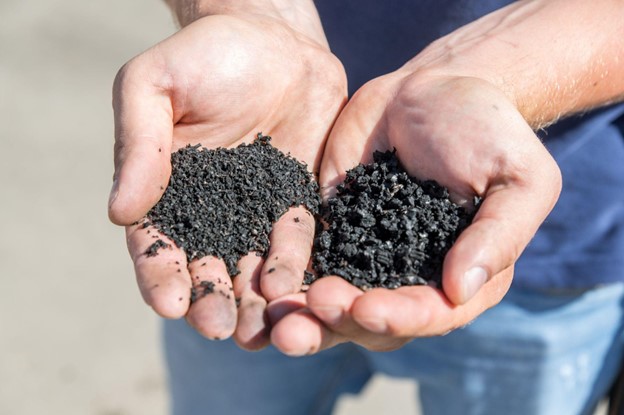
Asphalt is a composite material commonly used for constructing roads, parking lots, and airport runways. It consists of aggregates such as sand, gravel, and crushed stone combined with a binder called asphalt cement, which holds the mixture together. Asphalt’s versatility and durability make it an ideal choice for both urban and rural infrastructure.
There are different types of asphalt, including asphalt cement, cutbacks, and emulsions. Asphalt cement is a highly viscous binder that provides strength and flexibility to pavement. Cutbacks are liquid asphalt mixtures dissolved in solvents for easier application, while emulsions are water-based mixtures designed for quick curing and surface treatments. Each type of asphalt has distinct applications and testing requirements to confirm suitability for specific construction projects.
Understanding the composition and properties of asphalt allows engineers and construction teams to select the right mixture for road surfaces that face varying traffic densities, climatic conditions, and environmental stresses. Testing asphalt ensures that the materials meet quality standards and maintain performance over time.
Why Asphalt Testing Matters
Testing asphalt is critical to delivering long-lasting and safe roads. Asphalt may appear durable, but untested or improperly mixed asphalt can lead to premature failures such as cracking, rutting, potholes, and reduced load-bearing capacity. Roads constructed without thorough asphalt evaluation require frequent repairs, increasing maintenance costs and creating potential hazards for commuters.
Accurate asphalt testing identifies potential issues before they affect pavement performance. This testing verifies the binder properties, aggregate quality, and overall mix design to ensure compliance with construction standards. Laboratories like Inch-On Materials Testing Laboratory provide services to evaluate asphalt in both laboratory and field settings, giving engineers confidence that their pavement design will perform as expected under real-world conditions.
Testing asphalt also supports regulatory compliance, particularly for government projects, where adherence to ASTM and AASHTO standards is mandatory. By confirming that asphalt materials meet these standards, construction teams avoid costly project delays, structural failures, and legal complications while promoting road safety and reliability.
Core Asphalt Testing Methods
Accurate asphalt evaluation requires a combination of laboratory testing and field testing to assess material performance under controlled and real-world conditions.
Laboratory Testing
Laboratory testing of asphalt examines both physical and chemical properties to verify quality and consistency. Common laboratory tests include viscosity testing, which measures the flow resistance of asphalt cement; penetration testing, which evaluates the hardness or softness of the asphalt; softening point testing, which identifies the temperature at which asphalt begins to soften; and ductility testing, which measures the material’s ability to stretch without breaking.
These tests provide valuable data for engineers to determine whether asphalt will maintain structural integrity under traffic loads and varying temperatures. Laboratory testing also ensures that asphalt mixtures adhere to project specifications, providing a reliable benchmark for performance assessment before the material is applied on-site.
Advanced laboratory methods include testing asphalt samples for stability, moisture susceptibility, and resistance to aging. These procedures allow engineers to select asphalt mixtures that are capable of handling long-term environmental stressors such as rain, sunlight, and freeze-thaw cycles. Laboratories like Inch-On Materials Testing Laboratory maintain state-of-the-art equipment to deliver precise and reproducible results for asphalt performance evaluation.
Field Testing
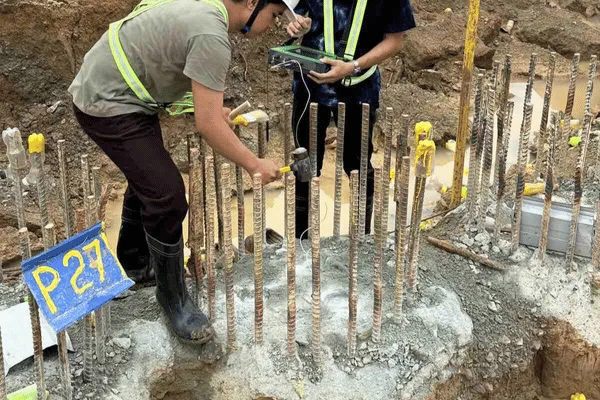
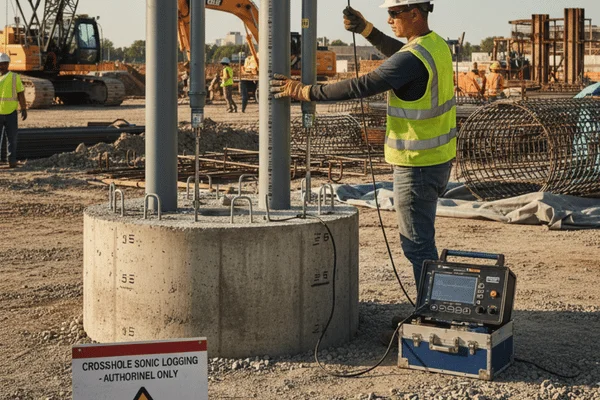
Field testing complements laboratory evaluation by assessing asphalt performance under actual construction conditions. On-site asphalt testing involves measuring density, compaction, and material consistency immediately after placement. Field testing ensures that the asphalt mix behaves as expected when subjected to real traffic loads and environmental conditions.
Field evaluations also allow engineers to detect potential issues that may not appear in laboratory tests. For example, uneven compaction or improper mixing can compromise pavement integrity, leading to structural deficiencies or reduced service life. Conducting field testing alongside laboratory assessment provides a comprehensive understanding of asphalt quality and performance, resulting in stronger, safer roads.
ASTM Standards and Industry Compliance
Asphalt testing relies heavily on internationally recognized standards to ensure uniformity, accuracy, and reliability. ASTM standards define procedures for evaluating physical, chemical, and mechanical properties of asphalt materials. Common ASTM tests for asphalt include penetration, viscosity, ductility, softening point, and binder content evaluations.
AASHTO standards are also widely applied in pavement projects to assess asphalt mix design, compaction, and durability. Compliance with these standards is essential for construction projects funded by government agencies, municipal authorities, and private developers.
Laboratories accredited by regulatory bodies, such as Inch-On Materials Testing Laboratory, guarantee that testing procedures follow ASTM and AASHTO standards. This ensures that asphalt meets rigorous quality requirements and performs reliably over its design lifespan. Accreditation also reinforces confidence for construction teams and project owners that testing results are accurate, independent, and verifiable.
Inch-On Materials Testing Laboratory Approach
Established in November 2018, Inch-On Materials Testing Laboratory is a DPWH-BRS accredited engineering and construction laboratory that specializes in evaluating construction materials, including asphalt. The laboratory combines laboratory testing with on-site evaluations to provide comprehensive assessments of asphalt, soil, concrete, and foundation materials.
Inch-On’s asphalt testing services include laboratory tests to measure viscosity, penetration, ductility, and softening point, along with field testing for density and compaction. This approach ensures that asphalt materials meet design requirements and perform consistently in real-world conditions.
The laboratory operates with advanced equipment and follows ASTM and AASHTO standards rigorously. Projects that partner with Inch-On benefit from reliable data, professional consultation, and actionable insights that improve construction quality and reduce the risk of pavement failure.
By integrating both lab and field testing, Inch-On Materials Testing Laboratory delivers a complete asphalt evaluation that supports safer roads, longer-lasting pavements, and compliance with industry regulations.
Benefits of Professional Asphalt Testing
Professional asphalt testing provides numerous advantages for construction projects. Roads constructed with properly tested asphalt experience:
- Enhanced structural integrity, supporting heavy traffic loads without premature cracking or rutting
- Reduced maintenance costs and extended pavement lifespan
- Compliance with regulatory standards and project specifications
- Safer travel conditions for commuters and reduced liability for contractors
- Improved project planning through accurate assessment of material properties
Testing asphalt at every stage—from laboratory evaluation to on-site verification—ensures high-quality results and long-term reliability. For project owners and engineers, professional testing is a cost-effective investment that minimizes future risks and maximizes the value of infrastructure development.
Frequently Asked Questions (FAQ) About Asphalt
What is the main purpose of asphalt testing?
Asphalt testing evaluates the physical and chemical properties of the material to ensure durability, performance, and compliance with construction standards. Testing helps prevent premature pavement failures and improves road safety.
What types of asphalt are commonly tested?
Asphalt cement, cutbacks, and emulsions are the most commonly tested types. Each type requires specific testing methods to determine suitability for various construction applications.
Why are ASTM and AASHTO standards important for asphalt?
These standards define precise procedures for evaluating asphalt properties and ensure consistency, accuracy, and reliability across construction projects. Compliance with these standards is essential for regulatory and safety requirements.
What is the difference between laboratory and field testing for asphalt?
Laboratory testing evaluates asphalt under controlled conditions to measure properties like viscosity, ductility, and softening point. Field testing evaluates the material’s performance on-site, including density, compaction, and behavior under traffic loads.
How does professional asphalt testing benefit construction projects?
Testing ensures structural integrity, reduces maintenance costs, ensures regulatory compliance, and provides safer roads for public use. It also supports project planning and long-term infrastructure sustainability.
Why choose Inch-On Materials Testing Laboratory for asphalt testing?
Inch-On is a DPWH-BRS accredited laboratory offering both laboratory and field asphalt testing. The laboratory follows ASTM and AASHTO standards, providing accurate, independent, and professional testing services that improve construction quality and pavement performance.