Understanding the Remote Inbound Closer Role
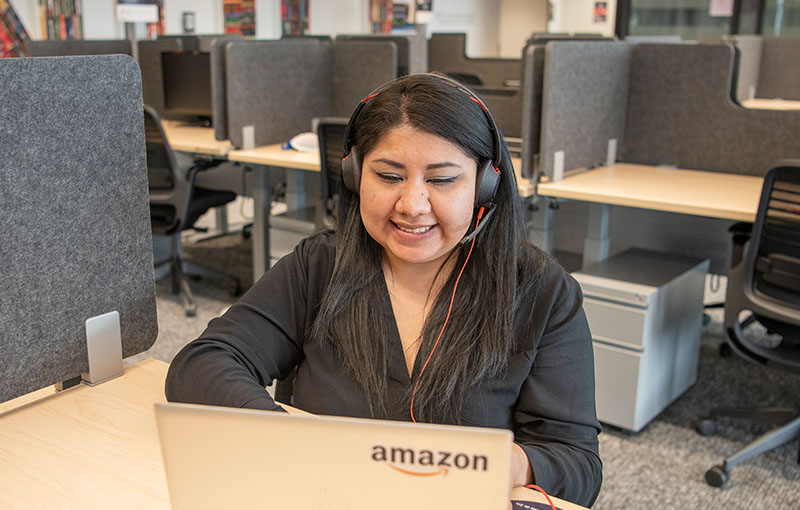
A remote inbound closer is a sales professional who specializes in converting incoming leads into paying customers without being physically present in an office. Unlike outbound sales representatives who actively reach out to prospects, inbound closers focus on leads that have already shown interest in a product or service. This makes the role highly strategic because the closer must quickly identify the needs and pain points of each lead while guiding them toward a purchasing decision. The importance of remote inbound closers has grown exponentially in modern business as more companies operate online and rely on digital communication. Their ability to handle inquiries efficiently and professionally can directly impact the revenue and reputation of a company. Daily tasks typically include responding to leads via calls, emails, or video meetings, tracking interactions in CRM software, and following up on potential opportunities. Metrics such as conversion rates, lead response times, and average deal size are crucial indicators of performance. Remote inbound closers often become the bridge between marketing-generated leads and finalized sales, making them an essential part of any sales organization.
Essential Skills and Traits of a Remote Inbound Closer
Being successful as a remote inbound closer requires more than just understanding a product. Active listening is one of the most critical skills because understanding the lead’s specific needs allows the closer to tailor the pitch effectively. Empathy plays a key role in establishing trust, particularly in virtual environments where non-verbal cues are limited. Persuasive communication skills help in guiding leads toward a decision without sounding pushy or scripted. Time management is another essential trait since remote closers must balance multiple leads and follow-ups while maintaining productivity from home. Technical proficiency is also important, including familiarity with CRM software, video conferencing platforms, and automated scheduling tools. Problem-solving skills enable closers to handle objections, resolve concerns, and provide solutions that satisfy the client. High-performing remote inbound closers also exhibit resilience, adapting to fluctuating lead volumes, challenging clients, and evolving sales strategies.
Effective Sales Processes for Remote Inbound Closers
Understanding the customer journey is the foundation of an effective inbound sales process. Leads typically arrive after interacting with marketing campaigns, social media content, or referral networks, which means they already have some level of interest. Prioritizing leads based on engagement, potential value, and urgency ensures that the closer spends time on opportunities most likely to convert. Building trust in a virtual environment requires consistent communication, transparency, and demonstrating expertise in the product or service. Closing strategies should emphasize value over price, highlighting how the solution addresses the lead’s unique challenges. Using automation tools can improve efficiency, allowing the closer to focus on high-touch interactions while routine follow-ups or reminders are managed digitally. A structured sales process ensures leads are nurtured without slipping through the cracks and increases the overall conversion rate.
Bullet list: Essential Steps in the Remote Inbound Closing Process
- Respond quickly to incoming inquiries to maintain interest
- Qualify leads based on needs, budget, and decision-making authority
- Establish rapport through personalized communication
- Demonstrate the product or service with clarity and confidence
- Handle objections by addressing concerns with solutions
- Guide the lead toward making a decision naturally
- Follow up consistently to reinforce trust and secure the sale
Overcoming Challenges in Remote Inbound Closing
Remote inbound closers face unique challenges that require strategic solutions. One common obstacle is miscommunication, as virtual interactions can sometimes lead to misunderstandings without in-person cues. Distractions in the home environment may reduce productivity, making time management a critical skill. Leads may also be hesitant or undecided, requiring patience and skillful persuasion to help them move forward. Time zone differences can create scheduling challenges, particularly when dealing with clients from multiple regions. Maintaining motivation is crucial since remote work can feel isolating compared to office-based teams. Burnout is a real risk for remote sales professionals, especially when constantly chasing quotas and managing multiple leads. Implementing structured daily routines, setting achievable goals, and taking breaks to recharge are strategies that help maintain high performance.
Leveraging Technology for Remote Inbound Success
Technology is a remote inbound closer’s most valuable ally. CRM systems help organize leads, track interactions, and ensure no follow-ups are missed. Video conferencing tools allow for personal connections that replicate face-to-face meetings, making it easier to build trust. Analytics tools help identify trends in lead behavior, guiding the closer toward high-potential prospects. Automation platforms manage routine tasks like reminders and email follow-ups, allowing more time for meaningful conversations. Collaboration tools enable remote closers to communicate with marketing or support teams effectively, ensuring a seamless lead experience. Online training platforms and AI-driven sales assistants can enhance skills and provide real-time recommendations. Staying updated with emerging tools and trends ensures a remote inbound closer remains competitive and efficient in their role.
Career Growth and Opportunities for Remote Inbound Closers
Remote inbound closing offers significant career potential for motivated professionals. Income is often commission-based, providing an opportunity for high earnings tied directly to performance. Many companies also offer bonuses, incentives, or profit-sharing arrangements for top-performing closers. Career progression may include roles such as sales manager, team lead, or director of sales, offering leadership opportunities within remote teams. Professional certifications and sales training programs can enhance credibility, improve skills, and open doors to higher-paying roles. Networking within remote sales communities provides access to mentorship, job opportunities, and industry insights. The rise of remote work and virtual business models means that the demand for skilled inbound closers is expected to grow, providing long-term career stability. Additionally, high-performing closers often develop transferable skills like negotiation, relationship-building, and technology proficiency, making them valuable in multiple industries.
Building Strong Relationships with Clients Remotely
Maintaining strong client relationships is essential for repeat business and long-term success. Personalization is key, even in virtual interactions, showing leads that their specific needs are understood. Effective follow-up strategies include sending helpful resources, scheduling regular check-ins, and acknowledging milestones or achievements. Consistency in communication builds trust and positions the closer as a reliable partner rather than just a salesperson. Turning satisfied clients into referrals expands business opportunities and strengthens reputation. Even when transactions are complete, nurturing the relationship ensures leads feel valued and more likely to engage in future purchases. Using video calls, personalized emails, and interactive presentations can make virtual interactions feel more authentic. Ultimately, remote inbound closers succeed when they combine efficiency with genuine human connection, creating meaningful experiences for every lead.
Frequently Asked Questions
- What does a remote inbound closer do differently from other sales roles?
A remote inbound closer focuses on leads that have already expressed interest, guiding them through the buying process with personalized attention, rather than seeking out new prospects. - How can I get started as a remote inbound closer without prior experience?
Start by learning sales fundamentals, familiarizing yourself with CRM software, and practicing virtual communication techniques. Online training programs and mentorship can accelerate skill development. - Which tools are essential for a remote inbound closer to succeed?
CRM software, video conferencing platforms, automated scheduling tools, email marketing systems, and analytics dashboards are crucial for managing leads efficiently. - Can remote inbound closers earn a high income solely from commissions?
Yes, top-performing remote inbound closers often earn six-figure incomes through commissions and bonuses, depending on the industry and company structure. - How do remote inbound closers handle difficult or hesitant leads?
They employ active listening, empathy, and problem-solving to understand concerns, provide solutions, and guide the lead toward a confident purchasing decision.
Takeaway
Becoming a successful remote inbound closer requires a combination of skill, strategy, and adaptability. By mastering virtual communication, leveraging technology, and understanding the inbound sales process, professionals can achieve high performance and income potential. Overcoming challenges such as distractions, hesitant leads, and remote isolation is possible with structured routines, persistence, and continuous learning. The role offers significant career growth opportunities, access to high-earning potential, and the flexibility of remote work. By building authentic relationships with leads and using proven closing strategies, remote inbound closers become an essential part of modern business success. For anyone motivated by results, technology, and relationship-driven sales, this career path offers a rewarding and sustainable journey.