Working at height requires carefully selected equipment that can help protect workers from serious falls. A Self Retracting Lanyard Thailand solution is designed to give workers greater freedom of movement while maintaining a connection to an approved anchorage point. Unlike a conventional fixed-length lanyard, a self retracting device automatically adjusts the length of its lifeline as the worker moves. This can help reduce unnecessary slack and provide a more practical connection for many elevated work applications. Construction, manufacturing, maintenance, roofing, logistics and infrastructure projects may all involve situations where reliable fall protection equipment is needed. Selecting the right device requires more than simply choosing a product with a suitable length or price. The complete fall protection arrangement, including the harness, anchorage, connectors, clearance and worker training, must be considered.
What Is a Self Retracting Lanyard?
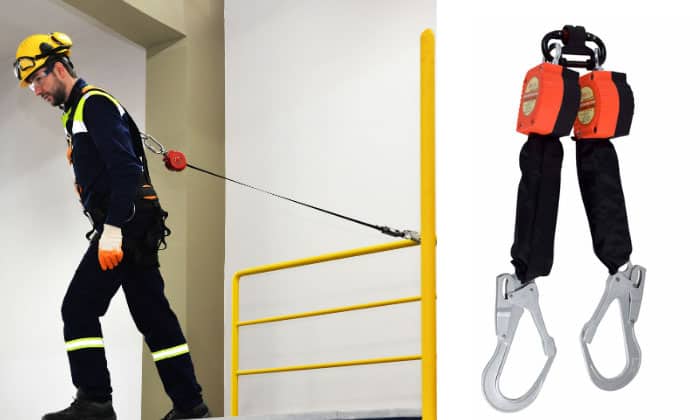
A self retracting lanyard is a fall protection device that contains a lifeline capable of extending and retracting according to the worker’s movement. The lifeline is stored within a housing and is kept under controlled tension while the worker moves around the work area. When movement occurs at a normal speed, the line can extend to provide greater working flexibility. If a sudden acceleration associated with a fall occurs, the internal braking mechanism can engage rapidly. This action is intended to limit the distance of the fall and help manage arrest forces according to the device’s design and rated performance. A retractable lanyard can therefore provide a different working experience from a conventional fixed-length shock-absorbing lanyard. However, it remains essential to use the equipment according to the manufacturer’s instructions and as part of a properly planned fall protection system.
Main Components of a Self Retracting Lanyard
Several components work together to make a self retracting lanyard functional. The housing protects the internal mechanism and helps provide the structure required for the retracting system. The lifeline may be made from webbing or wire rope depending on the model and intended application. A connector, such as an approved snap hook or carabiner, provides the connection between the device and the appropriate attachment point. Some models include a swivel mechanism that helps reduce twisting while the worker moves. Energy absorption and braking components are designed according to the manufacturer’s engineering specifications. Inspection indicators may also be included to help identify certain conditions that require the equipment to be removed from service.
How Does a Self Retracting Lanyard Work?
The operating principle of a self retracting lanyard is relatively straightforward, although the internal mechanism can be highly engineered. When a worker moves away from the anchorage point, the lifeline extends from its housing. When the worker moves towards the anchorage, the lifeline retracts automatically and helps minimise unnecessary slack. This controlled movement allows workers to perform many tasks without repeatedly adjusting the length of their connection. During a rapid fall, the device detects the sudden movement and activates its locking mechanism. The braking system then helps arrest the fall in accordance with the product’s tested performance characteristics. The exact stopping distance, energy management and clearance requirements vary between products, so workers should always refer to the manufacturer’s technical information. Proper training is also necessary because understanding how the equipment behaves during normal work and during a fall can affect safe use.
Retracting Mechanism and Worker Mobility
One of the main benefits of an SRL fall protection device is controlled mobility. A worker can move within the permitted operating area while the lifeline adjusts automatically. This can be particularly useful when tasks require repeated movement around an elevated platform or structure. Reduced slack may also help reduce the chance of a worker becoming caught on unnecessary sections of loose line. The device can provide a cleaner connection arrangement than a long fixed lanyard in certain applications. However, greater mobility does not mean that a worker can move beyond the permitted operating area. Anchor location, lifeline length and swing-fall exposure must still be assessed before work begins.
Fall Arrest Mechanism
The fall arrest mechanism is one of the most important elements of the equipment. During ordinary movement, the lifeline is permitted to extend and retract within its operating range. A sudden change in line speed can trigger the internal locking system. The mechanism is designed to stop or arrest the fall within the product’s specified performance parameters. The energy management system can also help control the forces generated during fall arrest. Workers should never modify, open or attempt to repair the internal mechanism themselves. Any device involved in a fall should be removed from service and assessed according to the manufacturer’s inspection and servicing requirements.
Where Are Self Retracting Lanyards Used in Thailand?
A self retracting lifeline can be used across many industries where employees perform tasks at elevated locations. Construction projects are one of the most obvious applications because workers may operate on structural steel, platforms, rooftops and other elevated surfaces. Industrial facilities may require fall arrest equipment for machinery maintenance, inspection and access to elevated work areas. Warehouses can also have elevated platforms, loading structures and maintenance areas where suitable fall protection is necessary. Roofing contractors may require equipment that allows controlled movement while maintaining a connection to an appropriate anchorage system. Telecommunications and infrastructure workers can encounter elevated structures that require specialised fall protection planning. Each workplace has different hazards, meaning the same SRL should not automatically be considered appropriate for every task.
Construction and Building Maintenance
Construction and building maintenance activities can involve changing work environments throughout the day. Workers may move around steel structures, platforms, roofs and other elevated areas while carrying tools or materials. A retractable device can provide controlled movement when correctly connected to a suitable anchorage point. Site supervisors should consider the worker’s position, the anchor location and the available fall clearance before approving equipment. Construction environments can also expose equipment to dust, dirt, moisture, sharp edges and other damaging conditions. Products should therefore be selected according to the manufacturer’s approved applications and environmental limitations. Regular inspection is especially important when equipment is used frequently on active construction sites.
Industrial and Manufacturing Applications
Manufacturing facilities may contain elevated machinery, maintenance platforms, production structures and access systems. Workers performing maintenance tasks may need to move around equipment while remaining connected to an approved fall arrest system. A self retracting lanyard can provide mobility without requiring workers to manually adjust a fixed-length connection repeatedly. Industrial environments can also contain heat, chemicals, oils, dust and other conditions that may affect equipment. The selected product should be suitable for the actual workplace environment rather than chosen only because it has an attractive specification sheet. Employers should also establish inspection procedures appropriate to the frequency and conditions of use.
Roofing and Elevated Access Work
Roof work presents several hazards because surfaces can be uneven, fragile, sloped or exposed to changing weather conditions. A suitable fall protection system can help reduce the consequences of a fall when workers are operating at elevated locations. An SRL may allow controlled movement across an approved working area when connected to a suitable anchorage. The anchorage location is particularly important because movement away from the anchor can create a swing-fall hazard. Workers should also consider roof edges, lower levels, skylights and other obstacles when planning the system. Equipment should never be selected without assessing the specific roof configuration. A competent person should establish the appropriate fall protection arrangement before work begins.
Types of Self Retracting Lanyards Available
Self retracting devices are available in several designs to suit different applications. Some models use synthetic webbing, while others use wire rope. Products can vary considerably in lifeline length, weight, housing design and connection configuration. Some compact models are designed for applications where portability and lower weight are important. Larger devices may be selected for demanding industrial applications where additional lifeline length or a robust construction is required. The correct choice depends on the workplace, anchorage arrangement, expected movement and manufacturer’s rated application. Comparing specifications carefully is therefore essential when purchasing a Self Retracting Lanyard Thailand solution.
Webbing Self Retracting Lanyards
Webbing devices generally use a synthetic textile lifeline that can offer flexibility and relatively low weight. They may be convenient for workers who need to carry equipment between different work locations. The flexible lifeline can also provide practical movement around suitable elevated work areas. However, webbing must be checked carefully for cuts, burns, fraying, chemical damage and other signs of deterioration. Exposure to sharp edges or unsuitable surfaces can create additional risks. Users should follow the manufacturer’s guidance regarding cleaning, storage and inspection. Webbing products should only be used for applications for which they are specifically designed and approved.
Wire Rope Self Retracting Lanyards
Wire rope SRLs are often selected for industrial environments where a robust lifeline is desirable. The wire construction can provide durability for particular applications and may be suitable for environments where textile webbing is less appropriate. However, wire rope still requires careful inspection for corrosion, broken wires, deformation, kinks and other damage. The device may also be heavier than a compact webbing model. Workers should consider how equipment weight affects mobility and handling during extended tasks. Wire rope products must also be selected according to their approved application and anchorage requirements. Regular inspection remains essential regardless of the material used.
Key Features to Look for When Choosing a Self Retracting Lanyard Thailand
Selecting a retractable fall arrest lanyard requires careful consideration of several specifications. Lifeline length should match the working area without creating unnecessary exposure to additional hazards. Lifeline material should be suitable for the environment and expected work conditions. The locking and energy-management mechanisms should meet the applicable product requirements. Connectors should be compatible with the harness and anchorage arrangement. The weight of the device should also be considered when workers must carry or reposition equipment frequently. Buyers should review manufacturer documentation, product markings, inspection requirements and applicable certifications before making a purchase.
Lifeline Length
Lifeline length is an important purchasing factor because excessive length does not automatically provide better protection. The required length should correspond to the worker’s movement area and anchorage configuration. A longer line may increase the area in which a worker can move, but it can also affect clearance and swing-fall considerations. A shorter device may be more appropriate for compact work platforms or restricted access areas. Buyers should review the manufacturer’s specifications before selecting a particular length. Fall clearance must always be calculated according to the actual equipment and working arrangement. The aim should be to provide sufficient mobility without creating unnecessary fall exposure.
Lifeline Material
Webbing and wire rope each have characteristics that may make them appropriate for different working conditions. Webbing can provide flexibility and lower weight, which may be useful for workers who move frequently. Wire rope can offer a robust option for certain industrial applications. Neither material should be regarded as universally better than the other. Environmental exposure, work surface, edge conditions, required length and equipment weight all influence the appropriate choice. Buyers should therefore match the lifeline material to the manufacturer’s approved application. Routine inspection should then be performed according to the equipment’s instructions.
Connectors and Compatibility
Connectors are critical because they establish the physical link between fall protection components. A hook must be connected to an approved attachment point and must be compatible with the equipment being used. Workers should never improvise connections using unsuitable rings, pipes, structural members or other objects. The full body harness must also be compatible with the SRL and intended fall arrest configuration. A mismatch between components can compromise the performance of the overall system. Employers should provide training on correct connection methods and prohibited connection practices. Manufacturer instructions should always take priority when specific compatibility requirements apply.
Self Retracting Lanyard and Full Body Harness Compatibility
A self retracting lanyard normally forms part of a larger personal fall protection system rather than functioning independently. The full body harness provides the worker connection point and is designed to distribute arrest forces through appropriate areas of the body. The SRL must be connected to the harness attachment point specified for the intended application. Workers should understand that not every harness attachment point is suitable for every type of connection. Equipment should also be compatible with the anchorage and other components used in the system. The entire arrangement should be evaluated rather than treating the SRL as an isolated item of PPE. Correct fitting, adjustment, inspection and training are all necessary for safe operation.
Anchorage Requirements for Self Retracting Lanyards
A strong and suitable anchorage is fundamental to any fall arrest arrangement. The anchorage must be appropriate for the equipment and the structure to which it is attached. Connecting an SRL to an unsuitable structure can compromise the entire fall protection system regardless of how advanced the device itself may be. The position of the anchor can also affect fall distance and swing-fall exposure. Overhead anchorage is often advantageous for certain applications because it can help reduce the potential for horizontal movement away from the connection point. However, the specific anchorage configuration must be assessed against the manufacturer’s requirements. Employers should ensure that anchorage selection and installation are handled by appropriately competent personnel.
Overhead Anchorage
An overhead anchor can provide a useful configuration for many elevated work applications. Keeping the anchorage above the worker may help reduce the amount of horizontal movement available during a fall. It can also help limit swing-fall exposure when the worker remains close to the anchor. However, overhead positioning does not remove the need to calculate adequate clearance. Structural strength, anchor compatibility and device specifications must still be considered. The worker should understand the permitted movement area around the anchorage. A professionally planned arrangement can help reduce unnecessary hazards associated with poor anchor positioning.
Swing-Fall Considerations
A swing fall can occur when a worker moves horizontally away from an anchorage point and subsequently falls. The worker may then travel sideways towards the structure or another obstacle. This creates a risk that is not fully addressed simply by having a retractable device. Anchor placement should therefore be considered carefully before work begins. Workers should remain within the permitted operating area established by the fall protection plan. The location of nearby structures, platforms, machinery and edges should also be considered. Proper planning can help reduce the likelihood of a dangerous pendulum movement.
Fall Clearance When Using a Self Retracting Lanyard
Fall clearance refers to the vertical space required beneath a worker to help prevent contact with a lower level or obstruction during a fall. Several factors affect this distance, including the SRL model, anchor location, worker height, equipment configuration and manufacturer’s specified performance. The distance to platforms, machinery, structural beams and the ground should all be considered. A worker should not assume that a retractable device eliminates the need for clearance calculations. Different products can have different stopping characteristics and required clearance values. Manufacturers provide technical information that should be reviewed before the equipment is used. Employers should ensure that workers understand these requirements as part of their fall protection training.
Safety Standards and Compliance Considerations in Thailand
Safety standards help establish performance and testing requirements for fall protection equipment. Buyers searching for fall protection equipment Thailand should check the standards claimed by each manufacturer and verify the relevant product documentation. International standards may apply depending on the product design, market and certification system. Product labels, technical manuals and certification documents should be reviewed carefully rather than relying on general claims made by a seller. Employers should also consider applicable Thai occupational safety requirements and workplace procedures. Compliance is not achieved simply by purchasing certified equipment because correct selection, installation, inspection and use remain essential. A properly managed fall protection programme should combine suitable equipment with competent supervision and worker training.
Inspecting a Self Retracting Lanyard Before Use
Pre-use inspection is an essential part of fall protection equipment management. Workers should inspect webbing for cuts, fraying, burns, chemical damage and other visible defects. Wire rope should be checked for broken wires, corrosion, kinks, deformation and other abnormalities. Hooks, carabiners and connectors should be inspected for damage and correct operation. The housing should also be checked for cracks, deformation or other signs of damage. Workers should follow the manufacturer’s specified procedure for checking retraction and locking functions. Any equipment showing serious damage or evidence of fall loading should be removed from service until it has been assessed according to the appropriate procedure.
Signs That an SRL May Need Replacement
A damaged lifeline is one of the clearest reasons to stop using an SRL. Failure of the locking mechanism is another serious concern that requires immediate attention. Corrosion, damaged housing or deformed connectors can also indicate that the device is no longer suitable for use. Missing or unreadable identification labels can make it difficult to confirm the equipment’s specifications and inspection history. An SRL that has arrested a fall should not simply be returned to normal use without the required inspection or servicing. Manufacturers may also specify service life, inspection intervals or replacement requirements. Employers should maintain appropriate records so equipment status can be tracked effectively.
Proper Maintenance and Storage of Self Retracting Lanyards
Correct maintenance can help preserve fall protection equipment and reduce avoidable deterioration. Devices should be stored in a clean, dry location that protects them from damaging environmental conditions. Excessive moisture, direct sunlight, chemicals and physical impact can affect certain materials and components. Workers should avoid dropping, dragging or throwing the device during transport or storage. Cleaning should only be performed according to the manufacturer’s instructions. Internal repairs should not be attempted by workers who are not authorised or qualified to perform them. Proper inspection and servicing records can also help organisations maintain better control over their fall arrest equipment.
Common Mistakes When Using a Self Retracting Lanyard
Choosing equipment purely because it has the lowest purchase price can create problems when the product does not suit the intended application. Another common mistake is selecting a lifeline that is unnecessarily long for the available work area. Workers may also connect the device to an unsuitable anchorage because the structure appears strong enough. Ignoring fall clearance and swing-fall risks can create serious hazards even when quality equipment is being used. Continuing to use visibly damaged equipment is another unacceptable practice. Modifying the SRL or combining components without checking compatibility can also affect system performance. Employers can reduce these risks through proper training, supervision, inspection and equipment selection procedures.
How to Choose a Self Retracting Lanyard Supplier in Thailand
Choosing a reliable supplier is an important part of purchasing fall protection equipment. A reputable supplier should provide clear specifications for each product rather than vague descriptions. Buyers should be able to access manufacturer information, instructions and relevant certification documentation. Technical support can also be valuable when organisations need assistance selecting equipment for a particular application. Availability of inspection, servicing and replacement components may also influence the long-term value of a product. Suppliers should be willing to explain product limitations instead of presenting every SRL as suitable for every situation. Organisations should compare technical suitability, documentation, support and product quality alongside purchase price.
Factors That Affect the Cost of a Self Retracting Lanyard in Thailand
The cost of a self retracting device can vary considerably depending on its design and intended application. Lifeline length is one factor because longer devices generally require different internal and external configurations. Webbing and wire rope construction can also influence pricing. Advanced braking mechanisms, energy-management systems, swivel components and specialised housings may affect the overall cost. Certification and testing requirements can also influence the price of compliant equipment. A product from an established manufacturer may cost more initially but provide stronger documentation and support. Buyers should therefore evaluate total suitability and lifecycle requirements rather than selecting an SRL solely according to its initial price.
Building a Safer Fall Protection System with the Right SRL
A self retracting lanyard is only one component of a complete fall protection system. The worker’s full body harness, anchorage, connectors and other equipment must work together correctly. The work environment also needs to be assessed for fall clearance, swing fall, edges, obstacles and other hazards. Worker training should cover correct equipment use, inspection procedures and emergency response arrangements. Employers should establish clear procedures for removing damaged equipment from service. Regular inspections can help identify problems before equipment is required during an emergency. A properly planned system can provide workers with appropriate protection while still allowing them to perform their tasks effectively.
Case Study: Selecting an SRL for an Industrial Maintenance Team
Consider a hypothetical industrial maintenance team working on elevated machinery platforms at a manufacturing facility in Thailand. The workers need to move around a designated platform while remaining connected to a fall protection system. The safety team initially considers a long conventional lanyard but identifies excessive slack as a concern during movement. The team then evaluates a suitable self retracting lifeline based on the working area, anchorage location and manufacturer’s requirements. The selected configuration includes a compatible full body harness and an approved anchorage positioned to reduce unnecessary horizontal movement. Before work begins, employees receive training covering equipment inspection, connection procedures and fall-clearance requirements. This example demonstrates why choosing fall arrest equipment should involve assessment of the complete work system rather than selecting a product based solely on length or price.
Testimonial: Practical Experience with Retractable Fall Protection Equipment
A maintenance supervisor might describe the value of an SRL by saying that controlled lifeline movement makes it easier for workers to move around approved elevated work areas without repeatedly adjusting a fixed-length connection. From a supervisory perspective, having clearly specified equipment can also make inspection and training procedures easier to organise. Workers may appreciate equipment that provides suitable mobility without excessive loose line around the work area. However, practical feedback should never replace technical requirements or manufacturer instructions. Worker experience is useful when assessing comfort, handling and suitability for routine tasks. Safety performance still depends on correct equipment selection, anchorage, inspection and use. A testimonial should therefore be viewed as practical feedback rather than proof that a particular product is suitable for every workplace.
Frequently Asked Questions About Self Retracting Lanyards
What is the main purpose of a self retracting lanyard?
The main purpose is to provide a fall protection connection that allows controlled movement while maintaining a connection to an approved anchorage. The lifeline extends and retracts as the worker moves. A braking mechanism can activate when sudden movement associated with a fall occurs. The equipment must be used as part of a suitable fall arrest system. The manufacturer’s instructions determine the approved method of use. Workers should also receive appropriate training before operating the equipment.
Is a self retracting lanyard better than a traditional lanyard?
Neither option is automatically better for every application. A self retracting device can provide greater mobility in certain elevated work environments. A conventional shock-absorbing lanyard may be suitable for other applications where a fixed connection length is appropriate. The selection depends on the work area, anchorage, movement requirements and fall-clearance conditions. Environmental exposure can also influence the choice. The most appropriate equipment is the one that meets the requirements of the specific task and manufacturer specifications.
Can an SRL be connected to any full body harness?
No, compatibility should always be verified before equipment is connected. The harness must have an attachment point suitable for the intended fall arrest application. The SRL and harness should be used according to their respective manufacturers’ instructions. Workers should not assume that every attachment point is suitable for every connection. Employers should provide training on correct connection procedures. Compatibility should be assessed as part of the complete fall protection system.
How often should a self retracting lanyard be inspected?
The equipment should receive a pre-use inspection before each use, following the manufacturer’s inspection requirements. More detailed periodic inspections may also be required depending on the manufacturer, workplace conditions and applicable safety procedures. Equipment exposed to harsh environments may require particular attention. Any device showing damage should be removed from service. Equipment involved in a fall should also be assessed before being returned to use. Inspection records should be maintained where required by the organisation’s safety procedures.
Can a self retracting lanyard eliminate fall hazards?
No fall protection device eliminates every workplace hazard. An SRL is designed to help arrest a fall when correctly selected, installed and used. Workers can still face swing-fall hazards, insufficient clearance, unsuitable anchorage and other risks. Proper planning is therefore essential before work begins. Employers should use appropriate hierarchy-of-control principles alongside personal fall protection equipment. Training and supervision remain important parts of the overall safety system.
What should I check when buying an SRL in Thailand?
Buyers should check the product’s intended application, lifeline length, material, connectors, weight and applicable standards. Manufacturer documentation should clearly identify the equipment and its performance requirements. Compatibility with the full body harness and anchorage should also be confirmed. Buyers should consider inspection, servicing and replacement requirements. Supplier technical support can be valuable for organisations managing multiple fall protection systems. The final choice should be based on suitability and safety rather than price alone.
Where can self retracting lanyards be used?
They may be used in construction, industrial maintenance, roofing, infrastructure, manufacturing and other elevated work applications where the product is approved for the specific task. The environment must be assessed before the device is selected. Anchor position, fall clearance, swing-fall exposure and environmental conditions can all influence suitability. Certain products may have specific restrictions concerning edges or other hazards. Workers should always follow the manufacturer’s instructions. A competent safety professional should assess unusual or complex applications before work begins.
Final Considerations Before Purchasing a Self Retracting Lanyard
Selecting a Self Retracting Lanyard Thailand solution should begin with the actual work task rather than a product catalogue. Buyers should identify the required working height, movement area, anchorage position and environmental conditions. The SRL should be compatible with the full body harness and anchorage system used by the worker. Fall clearance and swing-fall risks should also be assessed before equipment is approved for use. Product markings, technical documentation and relevant certifications should be checked carefully. Workers should receive suitable training in inspection, connection, use and emergency procedures. When equipment is selected and managed as part of a complete fall protection system, organisations can create a more controlled approach to work at height while supporting worker mobility and operational efficiency.