What Are Remote Inbound Sales Closers?
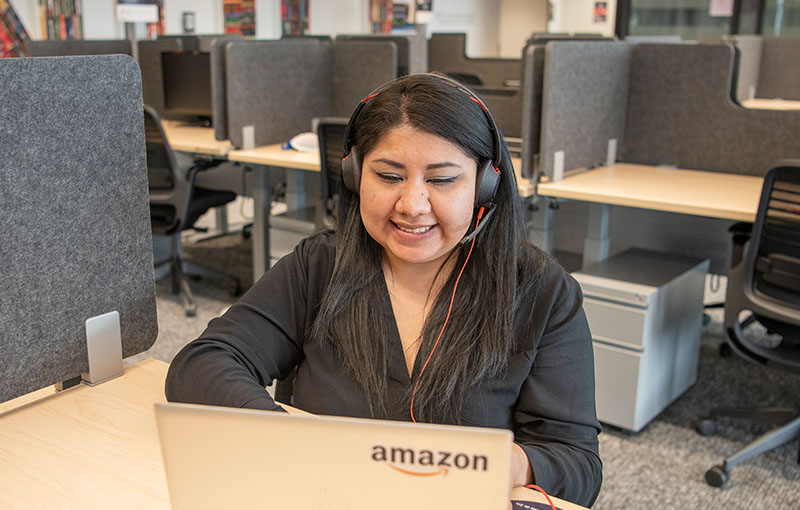
Remote inbound sales closers are sales professionals who handle incoming leads from a business’s marketing channels, such as website forms, live chats, emails, or phone calls. Unlike outbound sales roles, which focus on prospecting and cold outreach, inbound closers work with prospects who have already expressed interest in a product or service. This role has grown significantly as companies adopt digital-first approaches, allowing top talent to work from anywhere in the world. Remote inbound sales closers provide a vital link between marketing and revenue generation, turning inquiries into confirmed sales. Their work involves listening carefully to customer needs, addressing concerns, and guiding leads through the buying process efficiently. Businesses hire these professionals to ensure that interested prospects are converted quickly, improving revenue without the overhead of physical office spaces. For professionals, it’s an opportunity to combine strong sales skills with the flexibility of remote work.
Key Responsibilities of Remote Inbound Sales Closers
The primary responsibility of a remote inbound sales closer is to convert incoming leads into paying customers. They must evaluate each lead’s level of interest and readiness to buy, ensuring that their approach matches the prospect’s needs. Responding promptly to inquiries is crucial since inbound leads expect timely communication. A remote closer also builds rapport with potential clients, clarifying product features and addressing concerns to instill confidence in the purchase. Coordination with marketing teams is essential to ensure the messaging aligns and follow-ups are timely. These closers also record and manage interactions in CRM systems, keeping data organized for reporting and analysis. Beyond closing, they often provide insights back to marketing and sales teams about lead behavior, pain points, and trends.
Essential Skills for Remote Inbound Sales Closers
Successful remote inbound sales closers rely on a mix of interpersonal, technical, and organizational skills. Communication is critical; they must articulate product value clearly and listen actively to understand customer needs. Persuasion and negotiation skills help them guide conversations toward favorable outcomes while respecting the prospect’s decision-making process. Familiarity with CRM tools, lead tracking software, and other digital sales platforms is essential for managing pipelines efficiently. Time management and self-discipline are crucial in remote environments, as there is no manager physically overseeing workflow. Adaptability allows closers to handle unexpected questions or objections smoothly. Problem-solving skills help them resolve issues that may arise during the sales process. Finally, maintaining a professional online presence and etiquette in virtual meetings helps build credibility with potential customers.
Tools and Technology Used by Remote Inbound Sales Closers
Remote inbound sales closers rely heavily on digital tools to manage leads and close deals efficiently. Key tools include CRM platforms like Salesforce, HubSpot, or Zoho, which help track lead activity and maintain detailed records. VoIP and video conferencing tools such as Zoom, Google Meet, or RingCentral enable real-time communication with prospects. Email and chat management platforms streamline responses to high volumes of inquiries, ensuring no lead is left unattended. Automated lead tracking and scoring systems prioritize the most promising opportunities, improving efficiency. Analytics tools provide insights into conversion rates, customer engagement, and campaign effectiveness. Collaboration platforms like Slack or Microsoft Teams facilitate team communication, keeping sales and marketing aligned. Mastery of these tools allows remote closers to work seamlessly, maintain performance metrics, and scale their productivity effectively.
Benefits of Hiring Remote Inbound Sales Closers
Hiring remote inbound sales closers provides businesses with numerous advantages. First, it reduces overhead costs associated with office space, utilities, and physical infrastructure. Companies also gain access to a global talent pool, allowing them to hire the most skilled professionals without geographic limitations. Remote closers offer greater flexibility in scheduling, which can extend service hours and improve customer response times. Employee satisfaction tends to be higher among remote workers due to the autonomy and work-life balance it provides, which contributes to lower turnover. Businesses benefit from faster lead response, improving conversion rates and revenue. Remote teams can scale quickly, adding more closers during high-demand periods without logistical constraints. Additionally, remote setups often foster innovation, as teams develop creative strategies for virtual engagement and closing.
Challenges Remote Inbound Sales Closers Face and How to Overcome Them
Working remotely in inbound sales presents several challenges that professionals must navigate. Distractions in a home environment can impact productivity, requiring strategies such as dedicated workspaces and strict schedules. Lack of in-person interaction may lead to feelings of isolation, making team communication and virtual check-ins critical. Handling unresponsive or hesitant leads can be frustrating, but consistent follow-ups and personalized messaging can overcome this. Staying motivated without direct supervision demands self-discipline and clear goal-setting. Technical issues, such as unreliable internet or software glitches, require contingency planning and familiarity with backup systems. Maintaining professional boundaries between work and personal life is crucial to prevent burnout. Remote inbound closers overcome these challenges by leveraging time management, regular training, peer collaboration, and performance tracking.
Effective Strategies for Remote Inbound Sales Closing
Remote inbound sales closers must employ strategies tailored to inbound leads to maximize conversion rates. Personalization is key; addressing the prospect by name and referencing their previous interactions creates trust. Data-driven insights help prioritize leads who are most likely to convert, ensuring time is spent efficiently. Building trust virtually involves transparency, active listening, and demonstrating empathy toward the prospect’s needs. Timely follow-ups are essential to prevent leads from losing interest, but they must be balanced to avoid coming across as pushy. Listening for verbal cues or sentiment can indicate readiness to buy and guide the closer’s approach. Employing structured closing techniques, such as summarizing key benefits and addressing objections before requesting the sale, improves outcomes. Continuous learning and refining scripts based on performance metrics help remote closers adapt to evolving buyer behavior.
Career Growth Opportunities for Remote Inbound Sales Closers
Remote inbound sales closers have multiple paths for professional growth. High-performing closers can advance into senior sales roles, managing larger accounts or higher-value clients. Some transition into sales strategy or training positions, where they guide new team members or optimize sales processes. Specialization in industries like software, e-commerce, or healthcare can lead to higher earning potential and niche expertise. Remote work experience also opens doors to global companies, broadening career opportunities beyond local markets. Networking within remote sales communities can create mentorship opportunities and professional connections. Continuous skill development in areas like negotiation, digital sales tools, and communication enhances marketability. Ultimately, a successful remote inbound sales closer can build a career that combines financial growth, flexibility, and skill mastery.
Measuring Success as a Remote Inbound Sales Closer
Performance measurement is essential to ensure remote inbound sales closers achieve their targets. Key Performance Indicators (KPIs) include conversion rates, response times, and total revenue generated from inbound leads. Customer satisfaction metrics, such as Net Promoter Score (NPS) or feedback surveys, gauge the effectiveness of communication and service. Monitoring the average handling time for leads ensures efficiency without compromising quality. Tracking follow-up completion and engagement levels helps identify gaps in the sales process. Regular performance reviews with managers or mentors provide actionable insights for improvement. Using this data, closers can continuously refine their strategies, prioritize high-value leads, and enhance overall productivity.
Building a Remote Inbound Sales Team
Creating a successful remote inbound sales team requires strategic planning and effective management. Hiring should focus on individuals with strong communication skills, digital proficiency, and self-motivation. Onboarding programs must provide clear guidance on processes, tools, and expectations to ensure new hires are effective quickly. Continuous training and skill development improve team performance and adaptability. Collaboration platforms and regular virtual meetings foster cohesion and knowledge sharing. Performance tracking and KPIs help managers monitor productivity and identify areas for improvement. Encouraging team members to share best practices and insights helps build a culture of excellence. Recognition programs for achievements and milestones maintain motivation and engagement across the remote workforce.
Frequently Asked Questions
What is the average salary for a remote inbound sales closer?
- Salaries vary depending on industry, experience, and location. On average, remote inbound sales closers can earn between $40,000 to $80,000 annually, with commissions and bonuses significantly increasing earning potential.
Can beginners start as remote inbound sales closers without experience?
- Yes, many companies provide training programs for entry-level candidates. Strong communication skills, willingness to learn, and a disciplined work ethic are key for beginners to succeed.
Which industries hire the most remote inbound sales closers?
- Technology, SaaS, e-commerce, healthcare, and digital marketing agencies frequently hire inbound closers to manage high volumes of leads and complex products.
How do remote inbound sales closers handle high volumes of leads?
- They use CRM systems to prioritize leads, automation tools for follow-ups, and structured scripts to maintain efficiency and consistency in communication.
What tools are essential for maximizing productivity as a remote inbound sales closer?
- CRM platforms, video conferencing tools, email and chat management systems, automated lead scoring, and analytics dashboards are essential to track performance and ensure timely responses.
Takeaway
Remote inbound sales closers play a pivotal role in converting interested prospects into loyal customers while operating in flexible, remote environments. By mastering communication, leveraging technology, and applying effective strategies, these professionals can thrive in diverse industries and advance their careers. For businesses, investing in skilled remote inbound sales closers provides cost-effective growth, improved lead response times, and access to global talent. With continuous learning, discipline, and the right tools, remote inbound sales closers can achieve exceptional results and create sustainable revenue streams.