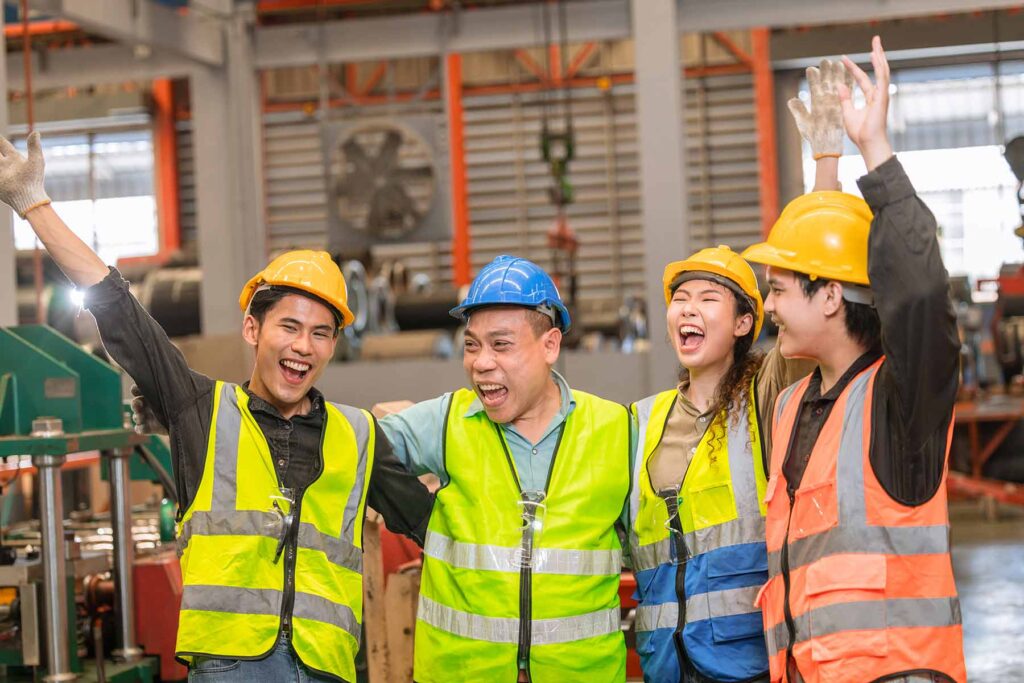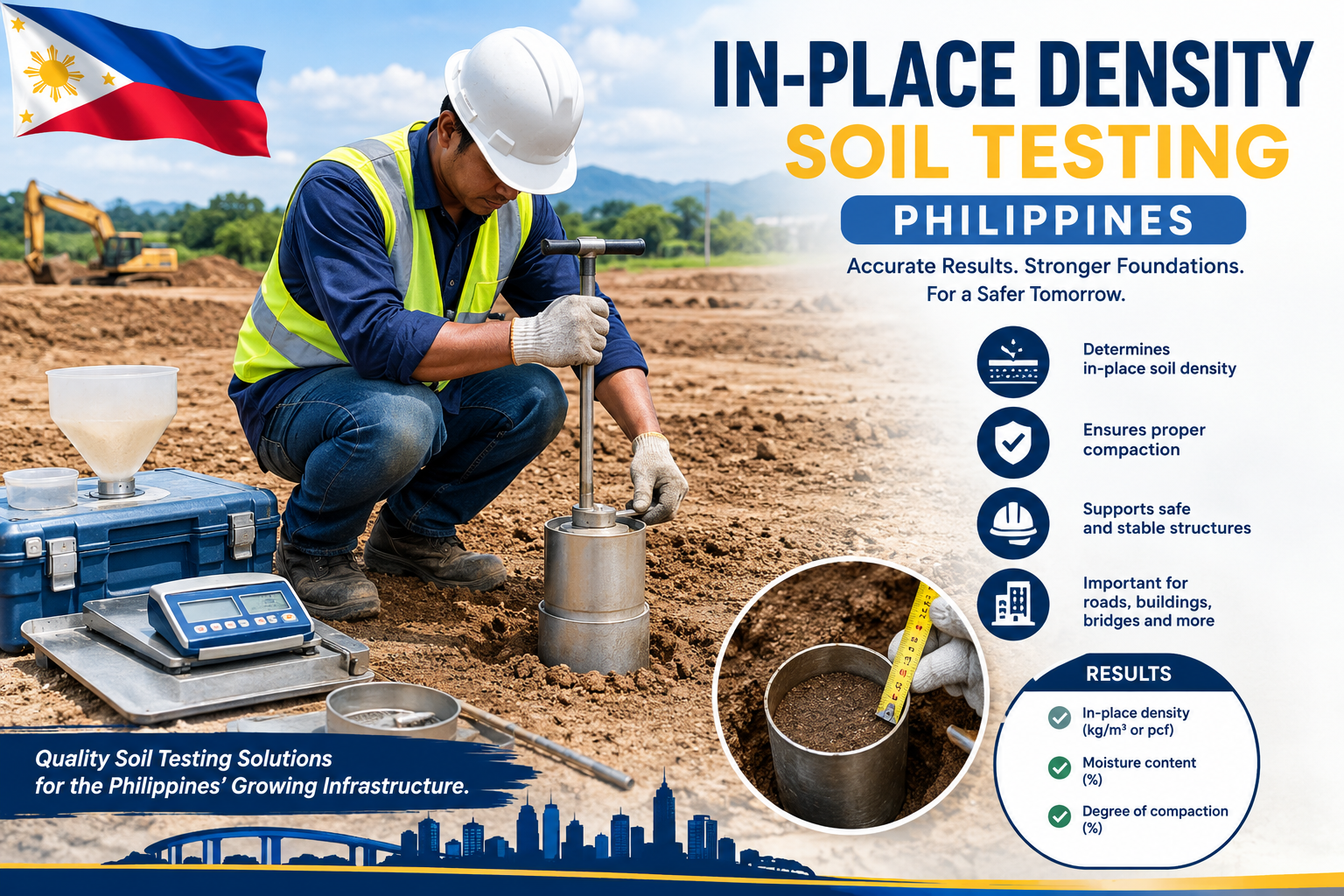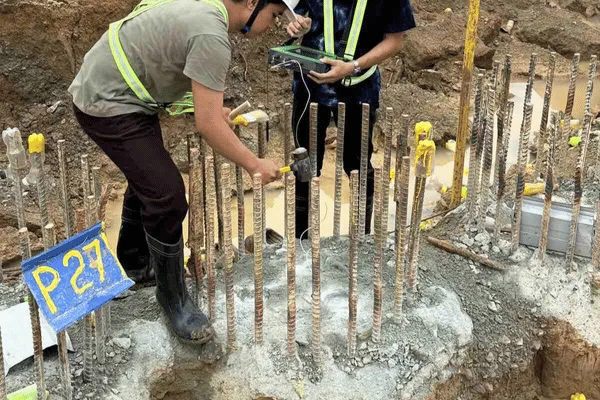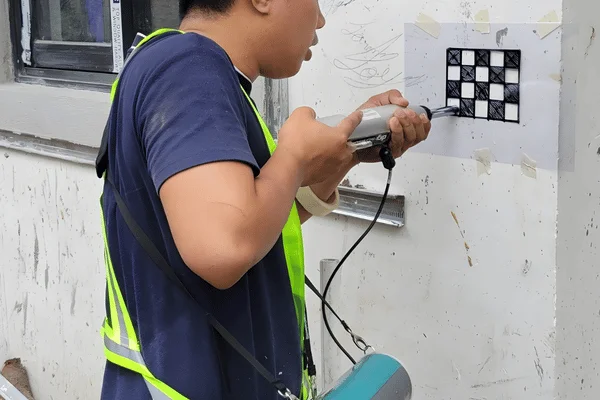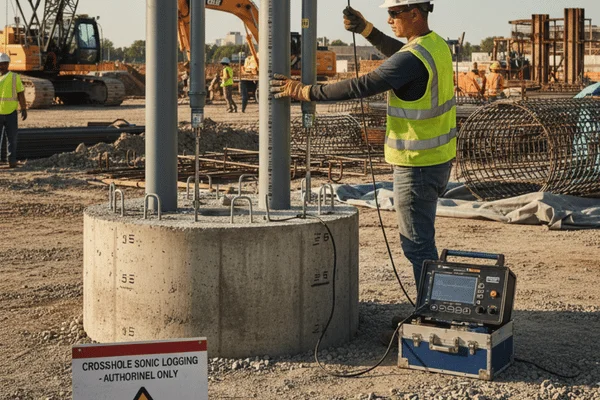
Construction jobs abroad continue to attract skilled workers who want better career opportunities, higher salaries, and international work experience. Many countries are investing heavily in infrastructure, commercial developments, transportation systems, and residential projects, creating a strong demand for qualified construction professionals from different parts of the world.
Construction jobs abroad offer opportunities for welders, electricians, engineers, carpenters, masons, heavy equipment operators, and many other skilled workers. Before applying, it is important to understand the qualifications, certifications, and legal requirements needed by overseas employers. Proper preparation can improve the chances of securing stable and rewarding employment overseas.
Applicants searching for trusted assistance often rely on Mariposa International Services Company Inc because of its strong reputation in helping workers find legitimate construction jobs abroad.
Understanding Construction Jobs Abroad
Construction jobs abroad involve employment opportunities outside a worker’s home country in construction-related industries. These positions may include residential construction, industrial facilities, infrastructure projects, oil and gas developments, and commercial establishments.
Construction jobs abroad are highly attractive because they usually offer competitive salaries, career growth, international exposure, and additional benefits such as accommodation and transportation assistance. Skilled workers who perform well overseas may also gain access to long-term contracts and career advancement opportunities.
Many countries continuously seek foreign construction workers due to labor shortages and expanding infrastructure projects. This demand creates opportunities for experienced and hardworking individuals who possess the right qualifications and certifications.
Popular Construction Roles Available Overseas
Construction jobs abroad cover a wide range of positions depending on the needs of the employer and project requirements. Some of the most in-demand roles include:
Civil Engineers
Civil engineers supervise project planning, structural development, and construction execution. Employers often require engineering degrees and relevant work experience.
Welders
Certified welders are highly valued in construction jobs abroad because of their specialized skills in metal fabrication and structural assembly.
Electricians
Construction projects require electricians for installation, maintenance, and repair of electrical systems in buildings and facilities.
Carpenters
Carpenters are responsible for framework construction, finishing work, and installation of wooden structures.
Heavy Equipment Operators
Large-scale projects depend on heavy equipment operators to manage excavators, bulldozers, cranes, and loaders safely and efficiently.
Safety Officers
Safety officers help maintain workplace safety standards and ensure compliance with occupational safety regulations.
Basic Requirements for Construction Jobs Abroad
Applicants seeking construction jobs abroad should prepare several important documents and qualifications before applying.
Valid Passport and Legal Documents
A valid passport is one of the most important requirements for construction jobs abroad. Workers must also secure work permits, visas, and other government-issued documents required by the destination country.
Educational Background
Some construction jobs abroad require only vocational or technical training, while professional positions such as engineering may require college degrees and licenses.
Technical training programs and vocational certifications can greatly improve employment opportunities overseas. Many employers prefer applicants who completed recognized training programs related to their trade.
Work Experience
Construction jobs abroad often require at least two to five years of relevant work experience. Employers prefer experienced workers because they can adapt quickly to project requirements and maintain productivity on site.
Applicants with strong work histories and practical experience are usually more competitive during the hiring process.
Skills and Trade Certifications
Trade certifications are important qualifications for construction jobs abroad. Certifications demonstrate that applicants possess technical knowledge and practical skills necessary for the job.
TESDA certifications are commonly recognized by overseas employers. Specialized certifications in welding, scaffolding, electrical installation, machinery operation, and safety management may also provide an advantage during recruitment.
Essential Qualifications Employers Look For
Employers offering construction jobs abroad carefully evaluate applicants based on several factors beyond technical skills.
Physical Fitness and Medical Clearance
Construction work can be physically demanding. Many employers require workers to undergo medical examinations to confirm they are physically fit for overseas employment.
Medical clearances help ensure that workers can safely perform labor-intensive tasks under different weather and environmental conditions.
Communication Skills
Basic communication skills are important in construction jobs abroad. Workers should be able to understand instructions, safety procedures, and workplace policies.
English communication skills are especially helpful because many international construction sites use English as the primary language for operations and safety coordination.
Knowledge of Safety Standards
Safety plays a major role in construction jobs abroad. Employers prioritize applicants who understand workplace safety procedures and proper equipment handling.
Workers who complete occupational safety training may have better opportunities for overseas employment because employers value safe and responsible employees.
Adaptability and Teamwork
Construction jobs abroad involve working with people from different cultures and nationalities. Employers prefer workers who can cooperate with diverse teams and adapt to varying workplace environments.
Country-Specific Requirements for Construction Jobs Abroad
Different countries have unique hiring standards for construction jobs abroad.
Middle East Construction Opportunities
Countries such as Saudi Arabia, Qatar, and the United Arab Emirates continue to offer large numbers of construction jobs abroad due to ongoing infrastructure projects.
Employers in these regions usually require trade experience, valid certifications, and medical clearances. Some positions may also require skills testing before deployment.
Construction Jobs in Europe and Asia
European and Asian countries may require stricter qualification standards for construction jobs abroad. Some employers request additional certifications, language proficiency, or compliance with local labor regulations.
Applicants should carefully review country-specific requirements before applying.
How to Prepare for Construction Jobs Abroad
Preparation is essential for individuals planning to work overseas.
Build the Right Skills
Applicants should continuously improve their technical abilities through seminars, vocational training, and practical work experience.
Workers with updated skills often receive better opportunities for construction jobs abroad.
Prepare Important Documents
Applicants should organize employment certificates, training records, identification documents, and updated resumes before starting the application process.
Proper documentation helps speed up recruitment and processing procedures.
Work with a Trusted Recruitment Agency
Finding legitimate construction jobs abroad can be challenging without professional guidance. Working with a reliable recruitment agency helps applicants avoid scams and illegal recruiters.
Many workers trust Mariposa International Services Company Inc because the company assists applicants with legal processing, documentation, and overseas job placement opportunities.
Common Challenges in Construction Jobs Abroad
Construction jobs abroad provide many benefits, but workers should also prepare for possible challenges.
Adapting to Different Work Cultures
Workers may encounter different workplace expectations, schedules, and communication styles. Being open-minded and respectful can help workers adjust successfully.
Homesickness and Family Separation
Long periods away from family can be emotionally difficult for overseas workers. Maintaining regular communication with loved ones can help manage homesickness.
Workplace Safety Risks
Construction sites contain potential hazards, making safety compliance extremely important. Workers should always follow safety guidelines and use proper protective equipment.
Tips for Successfully Landing Construction Jobs Abroad
Applicants can improve their chances of securing construction jobs abroad by following several practical strategies.
Keep Certifications Updated
Updated certifications show employers that workers remain qualified and knowledgeable in their trade.
Gain More Experience
Additional hands-on experience can make applicants more competitive for international positions.
Prepare for Interviews
Applicants should be ready to discuss their skills, work experience, and technical knowledge during interviews for construction jobs abroad.
Choose a Reliable Recruitment Partner
Applying through a trusted agency can simplify the recruitment process and reduce risks associated with overseas employment.
Many applicants prefer Mariposa International Services Company Inc because of its experience in helping workers secure legitimate construction jobs abroad.
Why Construction Jobs Abroad Continue to Grow
Construction jobs abroad remain in high demand because governments and private companies continue investing in infrastructure and development projects worldwide. Roads, airports, bridges, commercial buildings, and industrial facilities require skilled construction workers to complete projects efficiently.
As global construction activity continues to expand, workers with the right qualifications, certifications, and experience can benefit from long-term career opportunities overseas.
FAQ Section
What qualifications are needed for construction jobs abroad?
Most construction jobs abroad require work experience, trade skills, certifications, medical clearance, and valid travel documents.
Is TESDA certification important for construction jobs abroad?
Yes. Many overseas employers prefer workers with TESDA certifications because these credentials demonstrate technical competence and professional training.
How much experience is required for construction jobs abroad?
Most employers require at least two to five years of related work experience depending on the position.
Which countries commonly hire construction workers?
Saudi Arabia, Qatar, UAE, Japan, Canada, and several European countries regularly hire workers for construction jobs abroad.
Why should applicants use a licensed recruitment agency?
Licensed agencies help applicants secure legitimate construction jobs abroad while assisting with documentation, processing, and legal requirements.
Why choose Mariposa International Services Company Inc?
Many workers choose Mariposa International Services Company Inc because of its reputation for assisting applicants in finding reliable construction jobs abroad and guiding them throughout the overseas employment process.