A solid foundation forms the backbone of any construction project, whether it involves high-rise buildings, bridges, or industrial facilities. Engineers and contractors rely on accurate testing methods to confirm that foundation piles can withstand structural loads and environmental conditions. One of the most effective ways to achieve this assurance is through Pile Integrity and Pile Dynamic Test. These testing methods verify the strength, stability, and durability of piles before construction progresses.
Pile Integrity and Pile Dynamic Test provide precise measurements and insights that help prevent costly repairs, delays, or structural failures. The combination of these two tests offers a comprehensive evaluation of both the physical condition and load-bearing performance of piles. With modern construction demanding higher safety standards, conducting these tests has become essential for any responsible project team.
What is Pile Integrity Testing (PIT)?
Pile Integrity Testing (PIT) focuses on identifying defects, discontinuities, or inconsistencies within foundation piles. These defects can include cracks, voids, changes in cross-sectional area, or improper compaction during construction. By detecting these issues early, engineers can address potential problems before they compromise the structural integrity of the building or bridge.
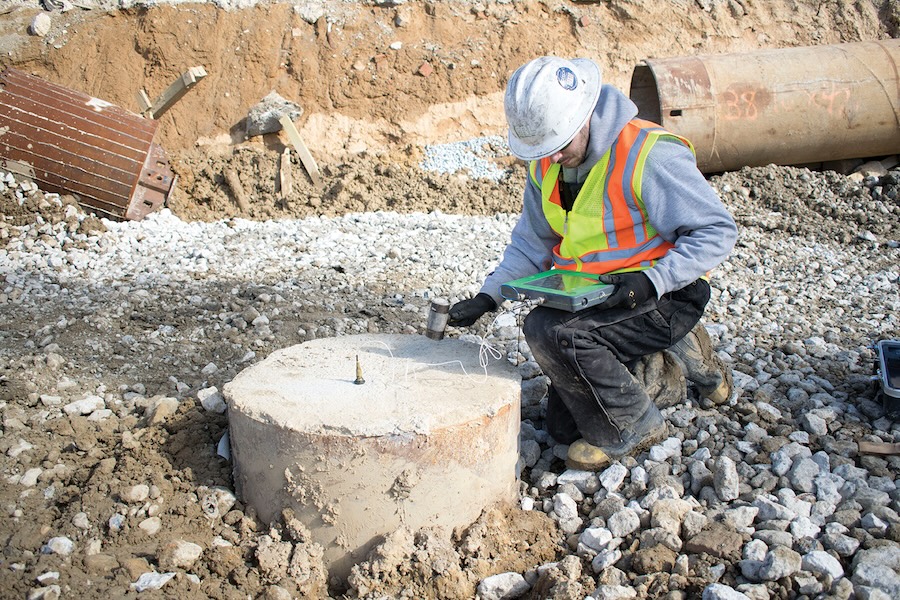
During a Pile Integrity and Pile Dynamic Test, PIT is performed using either low-strain or sonic testing methods. Low-strain testing involves striking the top of a pile with a small hammer and measuring the wave response along the pile’s length. Differences in the response indicate potential flaws or irregularities. Sonic testing relies on ultrasonic or sonic equipment to assess the internal condition of the pile.
Concrete, timber, and steel piles can all undergo PIT, making this test highly versatile. Benefits include ensuring compliance with design specifications, improving construction safety, and extending the service life of the foundation. Engineers can make informed decisions about whether to reinforce or replace a defective pile, reducing future maintenance costs.
Understanding Pile Dynamic Analysis (PDA)
Pile Dynamic Analysis (PDA), also known as high-strain dynamic testing, evaluates the behavior of piles under simulated load conditions. Unlike PIT, which focuses on identifying physical defects, PDA assesses how a pile performs under driving stresses and actual load scenarios.
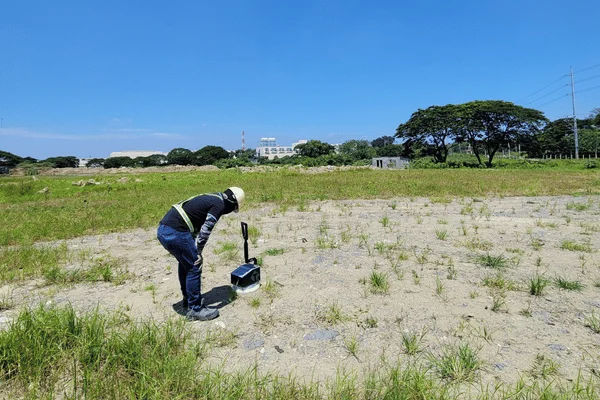
During a Pile Integrity and Pile Dynamic Test, PDA involves installing strain gauges and accelerometers on the pile head. A hydraulic hammer or similar equipment applies a high-strain impact, and the sensors measure the resulting stress, strain, and velocity along the pile. Data collected from PDA allows engineers to calculate the pile’s load-bearing capacity, driving stresses, and energy transfer efficiency.
PDA is particularly valuable for high-rise buildings, long-span bridges, and heavy industrial facilities. The test confirms whether piles meet the design load requirements and helps optimize pile installation techniques. By combining PIT and PDA, project teams gain a complete understanding of both pile quality and performance, reducing the risk of foundation failure.
Importance of Testing Foundations Before Construction
Skipping Pile Integrity and Pile Dynamic Test can have serious consequences. Untested or faulty piles increase the likelihood of structural issues, including settlement, tilting, or even catastrophic failure. The cost of repairs for a compromised foundation can far exceed the initial investment in testing.
Foundation testing provides engineers and contractors with confidence that the project meets industry standards and complies with regulations. It also ensures the safety of workers and occupants by confirming that piles can sustain loads over the expected service life of the structure.
Construction projects benefit from improved quality control, reduced uncertainty, and greater efficiency when PIT and PDA are performed early. This proactive approach allows teams to identify problem piles, make necessary adjustments, and avoid expensive delays. High-rise developments, bridges, and industrial projects gain an extra layer of assurance by undergoing thorough Pile Integrity and Pile Dynamic Test.
Why Choose Inch-On Materials Testing Laboratory
Inch-On Materials Testing Laboratory has built a reputation as a trusted provider of Pile Integrity and Pile Dynamic Test services throughout the Philippines. Accredited by the Department of Public Works and Highways – Bureau of Research and Standards (DPWH-BRS), Inch-On follows rigorous ASTM and AASHTO standards to ensure reliable results.
The laboratory operates independently, offering unbiased assessments of soil, concrete, and foundation materials. Their services include both on-site testing and laboratory analysis, providing comprehensive coverage for all project requirements. Nationwide availability allows engineers and contractors to access professional pile testing regardless of location.
Unique advantages of choosing Inch-On include specialized equipment for both PIT and PDA, expert technicians with in-depth knowledge of structural engineering principles, and precise reporting that supports construction decisions. This combination of technical expertise and reliable testing methodology positions Inch-On as a leader in foundation testing services.
Step-by-Step Process of Pile Integrity and Pile Dynamic Test
Performing Pile Integrity and Pile Dynamic Test involves a series of carefully executed steps to guarantee accurate results.
Step 1: Preparation
Before testing begins, engineers review project specifications, pile type, and site conditions. Equipment is calibrated according to ASTM and AASHTO standards to ensure precision. Safety measures are implemented to protect personnel during on-site testing.
Step 2: Pile Integrity Testing
For PIT, a small impact or sonic pulse is applied to the top of the pile. Sensors measure the response along the pile, identifying potential defects or irregularities. Data is analyzed to produce a detailed report showing pile quality, depth, and any anomalies.
Step 3: Pile Dynamic Analysis
For PDA, high-strain equipment applies controlled impact to the pile head. Strain gauges and accelerometers record stress, velocity, and strain along the pile. Engineers calculate bearing capacity, hammer efficiency, and driving stresses to determine pile performance under load.
Step 4: Data Analysis and Reporting
Results from PIT and PDA are compiled into a comprehensive report. Engineers interpret the data, providing actionable recommendations to address any issues. Reports may include visual representations of pile defects, load graphs, and compliance verification with project specifications.
Step 5: Recommendations and Follow-Up
Based on test results, engineers may suggest reinforcement, replacement, or continued monitoring of piles. Recommendations ensure that foundation integrity is maintained throughout the construction process.
Takeaway
Pile Integrity and Pile Dynamic Test are essential for verifying the quality and performance of foundation piles. PIT detects physical defects, while PDA evaluates load-bearing capacity and stress behavior. Combining these tests provides a full understanding of pile integrity and performance, reducing risks and supporting safe, durable construction.
Choosing a DPWH-BRS accredited laboratory like Inch-On guarantees accurate results that comply with ASTM and AASHTO standards. Projects across the Philippines benefit from professional, independent, and comprehensive testing services, whether for high-rise buildings, bridges, or industrial facilities. Early testing enhances construction quality, minimizes future repairs, and ensures compliance with safety regulations.
Frequently Asked Questions (FAQ)
What is the difference between Pile Integrity Testing and Pile Dynamic Analysis?
Pile Integrity Testing identifies physical defects such as cracks, voids, or irregularities in piles. Pile Dynamic Analysis evaluates how piles perform under actual or simulated load conditions, measuring stress, strain, and load-bearing capacity.
Why is Pile Integrity and Pile Dynamic Test important?
These tests prevent structural failure, ensure safety, and verify that piles meet project specifications. Testing reduces future maintenance costs and protects both workers and occupants.
What types of piles can be tested?
Concrete, timber, and steel piles can all undergo PIT and PDA, making these tests suitable for most construction projects.
How long does a Pile Integrity and Pile Dynamic Test take?
The duration depends on pile length, number of piles, and site conditions, but tests can often be completed within a few hours per pile, followed by data analysis and reporting.
Why choose Inch-On Materials Testing Laboratory?
Inch-On provides DPWH-BRS accredited testing services following ASTM and AASHTO standards. Their expertise, nationwide coverage, and precise reporting make them a reliable partner for any construction project requiring foundation verification.
Can PIT and PDA prevent costly construction delays?
Yes. Early detection of pile defects or performance issues allows engineers to make adjustments before construction progresses, avoiding expensive repairs or project delays.