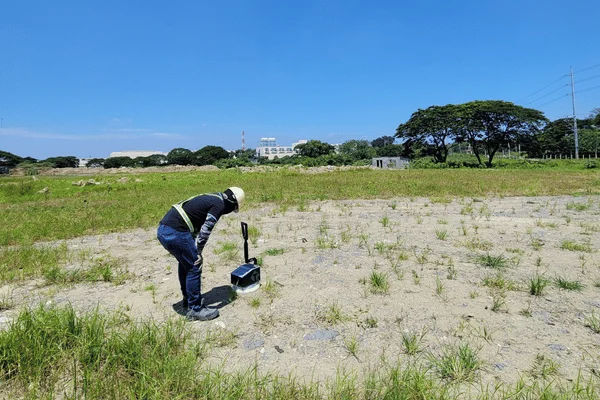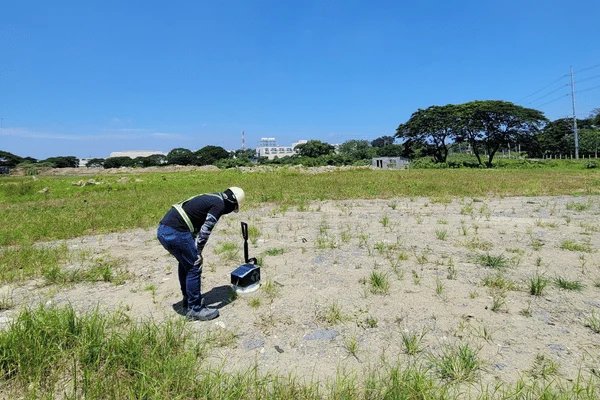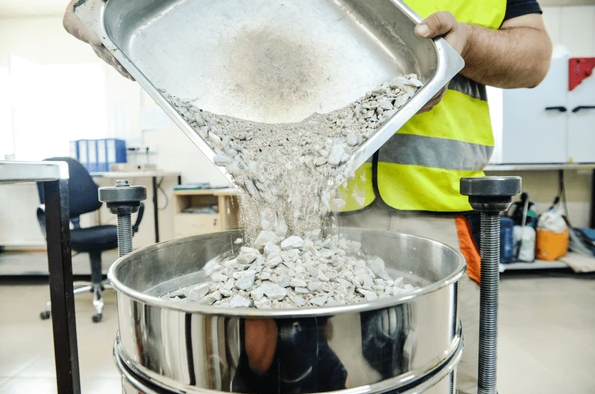
Construction projects rely on stable soil as a foundation for long-lasting structures. Field Density Test (FDT) plays a critical role in confirming that soil compaction meets engineering standards and project requirements. Contractors, developers, and civil engineers across the Philippines trust FDT to assess whether a site is ready for construction. Inch-On Materials Testing Laboratory, a DPWH–BRS accredited facility, provides professional Field Density Test services to ensure structural safety and project quality.
Field Density Test evaluates the in-place density and moisture content of compacted soil, providing essential data for decision-making in construction. Properly performed FDT helps prevent foundation settlement, pavement cracks, and other costly issues that can arise from poorly compacted soil. Using FDT allows project teams to move forward with confidence, knowing the soil will support the structure safely.
Field Density Test is required for a wide range of construction projects, including roads, residential and commercial buildings, bridge foundations, and parking lots. By measuring soil compaction on-site, FDT helps guarantee the ground can safely carry the intended load and meet design specifications.
What is Field Density Test (FDT)?
Field Density Test is a quality control procedure used to determine soil density and moisture content directly at the construction site. Soil density is a measure of how compacted the soil is, while moisture content indicates the water present in the soil, which affects its strength and stability. These two factors combined reveal whether soil has achieved the proper compaction for construction.
FDT is performed using standard methods recognized worldwide, including ASTM and AASHTO testing standards. The results help engineers determine whether additional compaction is necessary before construction continues. Conducting Field Density Test ensures a foundation capable of supporting buildings, roadways, pavements, and other critical structures.
Applications of Field Density Test include measuring soil compaction for subgrades, embankments, backfill, and other critical construction layers. FDT is not only a requirement for regulatory compliance but also a critical step in maintaining construction quality and safety. Projects that skip FDT risk structural issues that can be costly and time-consuming to fix.
Why Field Density Testing is Critical
Field Density Test is essential because soil that is not properly compacted can lead to major structural problems. Settlement of foundations, cracks in pavement, and uneven surfaces are common outcomes of substandard soil compaction. Field Density Test helps avoid these issues by providing accurate measurements of soil conditions before construction progresses.
The testing process gives engineers and contractors the data they need to verify that soil meets project specifications. With clear FDT results, decision-makers can adjust compaction methods, improve soil stability, and reduce the likelihood of future failures. In the Philippines, construction projects are subject to strict safety and regulatory standards. Performing Field Density Test ensures compliance with DPWH regulations and local construction requirements.
Field Density Test also saves time and resources. Detecting compaction problems early prevents costly rework and structural repairs. Reports from FDT provide contractors with documentation that supports quality assurance and demonstrates that construction follows national standards. The benefits of FDT extend beyond safety, offering financial and operational advantages as well.
How Field Density Test Works
The Field Density Test process begins with evaluating the soil using the Proctor Test, which determines the maximum dry density and optimum moisture content for compaction. Once these values are established, FDT is conducted at the construction site to measure actual soil density and moisture levels. The results are then compared to the Proctor Test data to confirm proper compaction.
Several methods exist for performing Field Density Test, including the sand cone method, nuclear density gauge, and rubber balloon method. Each method provides precise measurements of soil compaction, and the choice depends on the project type, soil conditions, and equipment availability. The sand cone method is widely used for granular soils, while the nuclear density gauge offers quick readings suitable for larger projects.
Field Density Test follows ASTM and AASHTO standards to ensure reliable and consistent results. The testing procedure includes careful site preparation, equipment calibration, and proper execution of measurements. Technicians from Inch-On Materials Testing Laboratory conduct Field Density Test with specialized tools to guarantee accuracy, providing engineers with the data necessary to proceed confidently with construction.
After completing Field Density Test, results are documented and analyzed. Reports include soil density, moisture content, and comparison with project specifications. Engineers can use this information to determine if additional compaction is required. When combined with the California Bearing Ratio (CBR) test, Field Density Test forms part of a comprehensive soil quality assessment essential for safe construction.
Benefits of Choosing Inch-On Materials Testing Laboratory
Selecting Inch-On Materials Testing Laboratory for Field Density Test ensures that construction projects receive professional and accurate soil compaction assessments. The laboratory is DPWH–BRS accredited, meeting national standards for construction testing in the Philippines. Engineers and contractors rely on Inch-On for precise data that supports safe and efficient project execution.
Inch-On technicians are experienced in performing Field Density Test on various soil types and project sites. They provide clear and detailed reports that document soil performance and compliance with engineering specifications. Accurate FDT results reduce the risk of structural issues and allow project teams to maintain timelines and budgets.
The laboratory also offers on-site testing of concrete and pile foundations. By combining Field Density Test with other materials testing, Inch-On delivers a comprehensive solution for construction quality assurance. Clients benefit from reliable data, professional service, and compliance with regulatory requirements, all critical factors in maintaining project safety and integrity.
Common Projects That Require Field Density Testing
Field Density Test is essential for a variety of construction projects across the Philippines. Roads and highways require proper soil compaction to support heavy traffic and prevent premature pavement failure. Field Density Test ensures that road subgrades and embankments meet engineering standards.
Residential and commercial buildings also benefit from Field Density Test. Compacted soil supports foundations, preventing uneven settling and structural damage. FDT is critical for ensuring that backfill, site grading, and foundation layers meet project requirements.
Bridge construction and other infrastructure projects depend on Field Density Test to confirm soil stability for abutments, embankments, and substructures. Pavements, parking lots, and other paved areas require soil compaction verification to avoid cracking and uneven surfaces over time.
By performing Field Density Test on all critical construction sites, engineers can ensure that each project meets safety standards and long-term durability expectations. FDT provides the data needed to make informed decisions and reduce risks associated with substandard soil.
Takeaway
Field Density Test is a critical step in construction that ensures soil compaction meets project specifications and safety standards. Properly performed FDT prevents structural failures, reduces costly repairs, and provides peace of mind for contractors, engineers, and developers. Inch-On Materials Testing Laboratory offers professional Field Density Test services across the Philippines, combining expertise, accurate results, and compliance with DPWH–BRS, ASTM, and AASHTO standards. Schedule a Field Density Test today to ensure that your construction project has a stable, safe, and durable foundation.
Frequently Asked Questions (FAQ)
What is the purpose of Field Density Test?
Field Density Test measures the in-place density and moisture content of compacted soil. The purpose is to verify proper compaction and confirm that the soil can support the intended construction load.
How often should Field Density Test be conducted?
FDT should be conducted on all layers of soil that are critical to the stability of the structure, including subgrades, embankments, and backfill layers. Frequency depends on project size, soil type, and engineering specifications.
What methods are used for Field Density Test?
Common methods include the sand cone method, nuclear density gauge, and rubber balloon method. Each method provides accurate measurements of soil density and moisture content, with the choice depending on project requirements.
How long does it take to get Field Density Test results?
Results are typically available shortly after testing. On-site testing provides immediate measurements, while lab analysis of samples may take additional time depending on the scope of the project.
What projects require Field Density Test?
Roads, highways, residential and commercial buildings, bridge foundations, and pavements all require Field Density Test to ensure soil stability and proper compaction.
Why choose Inch-On Materials Testing Laboratory for Field Density Test?
Inch-On is a DPWH–BRS accredited laboratory with expertise in soil, concrete, and pile foundation testing. The laboratory provides precise and reliable FDT results, professional reporting, and compliance with engineering and regulatory standards.