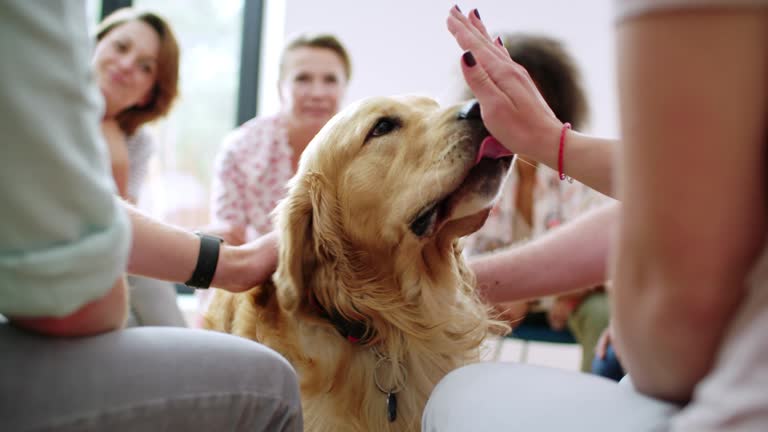
Losing a pet can be an incredibly emotional experience, often leaving pet owners struggling with grief, guilt, and unanswered questions. Pet loss counselors play a crucial role in providing support during these difficult times, helping individuals navigate their emotions and find healthy coping mechanisms. Pet loss counselor training equips aspiring counselors with the knowledge, skills, and strategies needed to support grieving clients effectively. These programs focus on understanding the unique bond between humans and animals, recognizing different forms of grief, and applying therapeutic techniques to guide individuals through the mourning process. The demand for trained pet loss counselors continues to grow as more people recognize the importance of mental and emotional support following the loss of a beloved pet. Through specialized training, counselors develop the ability to create a safe, empathetic environment where clients feel heard and supported. This field combines compassion with professional expertise, offering a fulfilling career path for those passionate about mental health and animal welfare.
Understanding the Role of a Pet Loss Counselor
A pet loss counselor is a trained professional who helps individuals process the grief associated with the death or loss of a pet. Unlike traditional grief counseling, pet loss counseling focuses specifically on the deep emotional connections humans form with their animals. Counselors provide guidance, reassurance, and practical coping strategies for individuals experiencing the loss of a companion animal. Their role often includes facilitating discussions about guilt, anger, and sadness while helping clients develop tools to manage these emotions effectively. Pet loss counselors may work with individuals, families, or even support groups, addressing a wide range of emotional needs. By acknowledging the unique impact of pet loss, these counselors validate clients’ feelings, promoting emotional healing and resilience. Understanding the nuances of the human-animal bond is critical for effective support, as pets often occupy a central place in a person’s life.
Key Skills and Qualities Needed for Pet Loss Counselors
Successful pet loss counselors possess a combination of professional expertise and personal qualities that allow them to connect with clients deeply. Empathy is essential, as counselors must understand and validate the complex emotions associated with pet loss. Active listening skills help ensure clients feel heard, while effective communication allows counselors to guide conversations with sensitivity. Emotional resilience is vital, as counselors often encounter intense grief and must manage their own emotional well-being. Other important qualities include patience, compassion, and the ability to set professional boundaries without losing warmth. Understanding grief psychology and the stages of mourning enables counselors to offer tailored support. Counselors must also be comfortable addressing challenging emotions, such as guilt or anger, without judgment. These skills ensure that clients receive guidance that is both empathetic and structured, fostering meaningful healing.
Pet Loss Counselor Training Programs
Pet loss counselor training programs are designed to provide aspiring counselors with both theoretical knowledge and practical skills. These programs often cover core topics, including grief psychology, bereavement counseling techniques, and the human-animal bond. Training may include online courses, in-person workshops, or a combination of both, offering flexibility for different schedules. The duration of programs can vary from a few weeks to several months, depending on the depth and accreditation of the course. Costs for certification programs may range widely, so research is crucial when selecting a reputable provider. Accreditation ensures that the training meets professional standards, providing credibility for counselors entering the field. By completing a recognized program, counselors gain the confidence and skills necessary to support grieving clients effectively.
Techniques and Approaches Taught in Training
Pet loss counselor training equips students with a variety of approaches to address grief and support emotional healing. Different techniques help counselors adapt to the unique needs of each client.
- Counseling strategies for sudden loss, chronic illness, or euthanasia
- Creative therapy options such as journaling, art therapy, and ritual creation
- Coping mechanisms and exercises to manage anxiety, sadness, or guilt
- Ethical guidelines, confidentiality practices, and professional boundaries
- Strategies to help clients honor their pet’s memory and find closure
Counselors are also trained to recognize signs of complicated grief and provide interventions to prevent long-term emotional distress. Techniques emphasize both emotional support and practical tools, ensuring clients leave sessions with actionable strategies. Training encourages counselors to be flexible, empathetic, and culturally sensitive when addressing grief in different communities.
Career Opportunities After Completing Training
Completing pet loss counselor training opens several career pathways for those interested in this specialized field. Many counselors establish private practices, offering one-on-one support to grieving clients. Opportunities also exist within veterinary clinics or animal shelters, where counselors assist clients experiencing the loss of pets in medical or rescue contexts. Online and remote counseling provides flexibility for professionals seeking to reach a broader audience. Counselors may also lead community workshops, grief support groups, or webinars focused on pet loss education and emotional wellness. Partnerships with pet memorial organizations or funeral services offer additional avenues for career growth. These diverse opportunities allow counselors to combine their passion for mental health with a dedication to supporting pet owners during difficult times.
Benefits of Becoming a Certified Pet Loss Counselor
Certification in pet loss counseling brings both professional and personal rewards. Counselors gain the knowledge and credibility needed to support clients effectively, building trust and fostering meaningful relationships. The role allows for personal fulfillment, as counselors witness the healing process and help clients navigate profound emotional challenges. Certified counselors are recognized within the mental health and pet care communities, enhancing career opportunities. This specialization also allows professionals to expand their skill set, offering unique services that address a specific emotional need. Many find that providing empathetic support during a sensitive time creates a lasting impact on clients’ lives. Certification demonstrates dedication to the field, ensuring counselors uphold ethical and professional standards.
Common Challenges Faced by Pet Loss Counselors
Pet loss counselors encounter unique challenges that require preparation and resilience. Emotional fatigue and secondary trauma can occur when repeatedly supporting grieving clients, making self-care essential. Cultural differences in grieving practices may require counselors to adapt their approach to respect individual beliefs. Some clients experience denial or complicated grief, requiring specialized interventions to facilitate emotional processing. Counselors must also maintain professional boundaries while remaining compassionate and approachable. Continuing education and supervision are critical for managing challenges and staying current in best practices. Handling intense emotional sessions requires skill, awareness, and strategies to prevent burnout. Awareness of these challenges ensures that counselors are prepared for the emotional demands of the profession.
Steps to Get Started in Pet Loss Counselor Training
For individuals interested in pursuing pet loss counselor training, several steps can help ensure success. Researching reputable training programs is the first priority, focusing on accreditation, curriculum, and reviews. Preparing prerequisites, such as prior counseling experience or educational background, may be required by some programs. Practical experience through internships, volunteering, or shadowing professionals provides valuable insight into the counseling process. Applying for certification ensures that counselors meet professional standards and gain recognition in the field. Ongoing professional development through workshops, webinars, and continuing education strengthens skills and knowledge. Networking with other counselors and participating in support communities enhances both personal growth and career opportunities. Consistent practice, reflection, and supervision help counselors build confidence and effectiveness in supporting clients.
Frequently Asked Questions (FAQ)
What qualifications do I need to start pet loss counselor training?
- Requirements vary, but most programs require a background in counseling, psychology, or a related field. Some beginner courses are open to anyone passionate about supporting grieving pet owners.
How long does it take to become a certified pet loss counselor?
- Training programs typically range from a few weeks to several months, depending on the depth and structure of the program.
Can existing mental health professionals benefit from this training?
- Absolutely. Therapists, social workers, and counselors can expand their skills to support clients experiencing pet loss.
Is online training effective compared to in-person programs?
- Many accredited online programs offer comprehensive training and interactive sessions, making them as effective as in-person options.
How do I handle emotionally challenging client sessions?
- Counselors are trained in coping strategies, professional boundaries, and self-care techniques to manage emotional challenges effectively.
Takeaway
Pet loss counselor training equips professionals with the skills and confidence to provide compassionate, effective support to grieving pet owners. By understanding grief, learning specialized counseling techniques, and developing emotional resilience, counselors can help clients navigate one of life’s most difficult experiences. The career offers personal fulfillment, professional recognition, and diverse opportunities in private practice, veterinary clinics, and community support programs. With the growing recognition of pet loss as a significant emotional event, trained counselors play an essential role in supporting mental health while honoring the human-animal bond. Pursuing certification in this field not only strengthens professional expertise but also allows counselors to make a lasting difference in the lives of pet owners.